
Beautiful Plants For Your Interior
Beautiful Plants For Your Interior
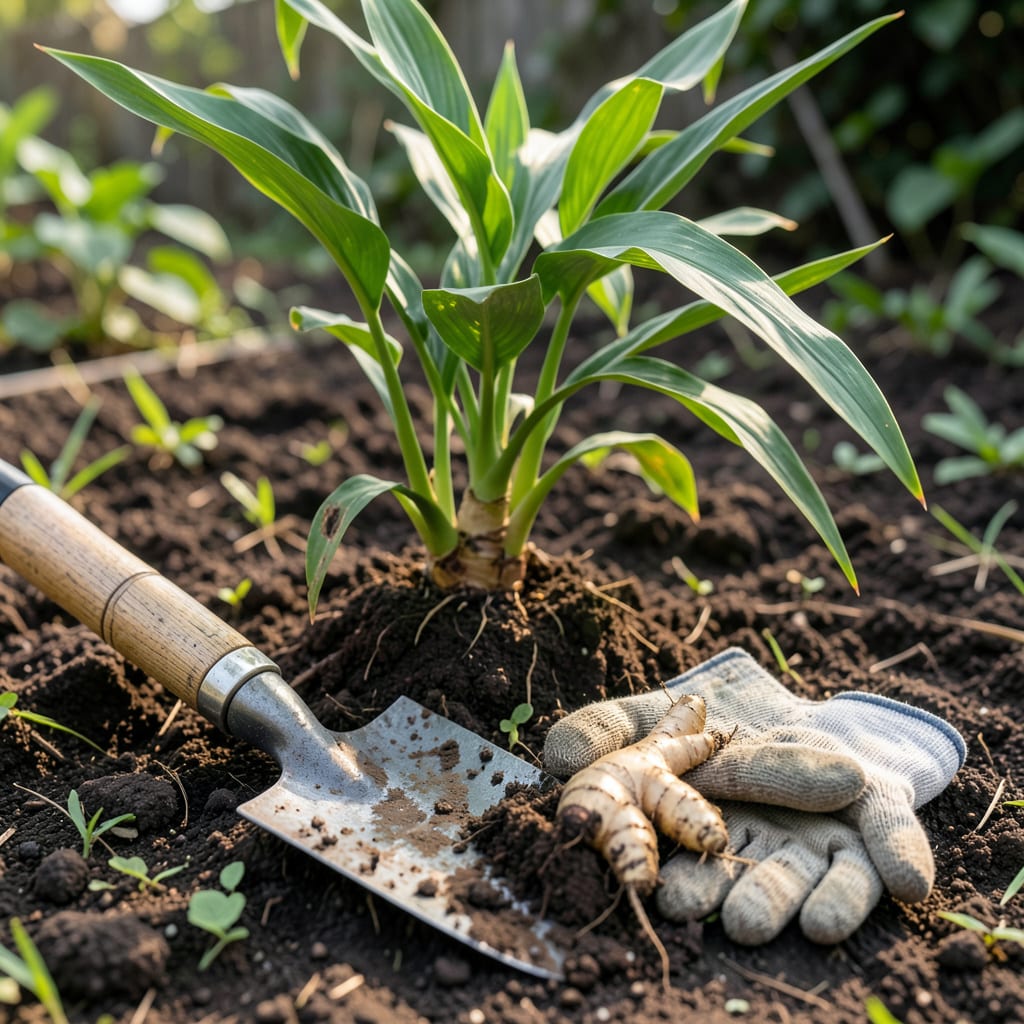
I used to pull up my 🌱 ginger too early, only to find underwhelming rhizomes. Timing is everything when it comes to getting that bold, spicy flavor you love.
Discover the 4 clear signs that tell you your ginger is perfectly ready to harvest, so you never miss that sweet spot again.


If you’re growing ginger at home, timing your harvest perfectly ensures the best flavor and texture. I always watch for visual cues from the plant itself, as these are the most reliable indicators of readiness.
The most obvious sign is when the leaves turn yellow and begin to wither. This signals that the plant has completed its growth cycle and is redirecting energy to the rhizomes below the soil.
Another clear indicator is when the stems start to dry and wither. At this stage, the plant is no longer focusing on foliage growth but on storing nutrients in the underground rhizomes.
I also check the size and firmness of the rhizomes by gently digging around the base of the plant. Mature ginger should feel plump and solid, not small or soft to the touch.
The skin texture is another giveaway. When ready, the skin should be tight and smooth, not wrinkled or loose. This is a sign that the rhizomes have reached their peak development.
If you planted your ginger in early spring, expect to harvest around late summer to early fall. This timing aligns with the plant’s natural 240-day maturity cycle, though it can vary slightly based on climate.
For those in warmer climates, like USDA Zone 9b, ginger may mature a bit faster. In cooler areas, it might take closer to 270 days. Always adjust based on your local growing conditions.
If you notice green leaves and stems, your ginger isn’t ready yet. Wait until these visual signs change before harvesting to ensure the best possible flavor and yield.
Once you’ve confirmed these signs, use a garden fork or your hands to carefully lift the rhizomes from the soil. Be gentle to avoid bruising the delicate roots and stems.
Timing your ginger harvest with the seasons ensures the best flavor and yield. Late summer to early fall is ideal, as this is when rhizomes reach peak maturity after 8-10 months of growth.
In USDA Zone 9b, I aim to harvest between September and October, when the weather starts cooling. This timing aligns perfectly with the plant’s natural growth cycle and flavor development 🌱
| Stage | Action |
|---|---|
| Early Planting | Harvest after 210 days |
| Ideal Window | September-October for full flavor |
| Late Harvest | Up to 270 days if needed |
If you planted in February or March, your ginger will likely be ready by late September. Watch for yellowing leaves as the first visual cue that harvest time is near.
Climate plays a big role too. In warmer regions, ginger may mature faster, while cooler areas might need extra weeks. Always check the rhizome size—it should be plump and firm 🌿
For the most intense flavor, I recommend waiting until the skin tightens and the stems begin to dry. This ensures the rhizomes have developed their full spicy kick and aromatic oils.
If you’re in a hurry, you can harvest young ginger at 4-5 months, but it will be milder. For the best results, patience is key—wait for those tell-tale signs of maturity ✂️
Harvesting ginger at the wrong time or using improper techniques can ruin your crop. I’ve learned the hard way that patience and care are key to a successful harvest.
One of the biggest mistakes is picking too early. If the leaves are still green and the stems are firm, the rhizomes are underdeveloped and lack flavor.
Premature picking: Leads to small, bland rhizomes. Wait for yellowing leaves and drying stems.
Another common error is using the wrong tools. A sharp garden fork or hand trowel helps lift rhizomes gently, while rough tools can bruise or damage them.
I also see gardeners ignoring soil moisture before harvest. Ginger prefers moist but well-drained soil, so avoid harvesting in soggy conditions to prevent rot.
Finally, improper post-harvest handling can spoil your ginger. Always clean and dry rhizomes thoroughly before storage to prevent mold and extend shelf life.
By avoiding these mistakes, you’ll ensure a healthy, flavorful harvest every time ✂️
Ginger typically reaches maturity in 240 days or about 8-10 months after planting. In warmer climates, it may be ready closer to 210 days, while cooler areas might need up to 270 days.
Yes, you can harvest young ginger at 4-5 months, but it will have a milder taste. For full spicy flavor, it’s best to wait for the rhizomes to fully mature and show visual signs like yellowing leaves.
Leaving ginger too long can cause the rhizomes to become fibrous or split. Once the stems dry and the skin tightens, it’s time to harvest to preserve the best texture and flavor.
If the leaves are still green and the stems are firm, your ginger isn’t ready. Underdeveloped rhizomes will also feel small or soft, and the skin may appear wrinkled or loose.
