
Beautiful Plants For Your Interior
Beautiful Plants For Your Interior
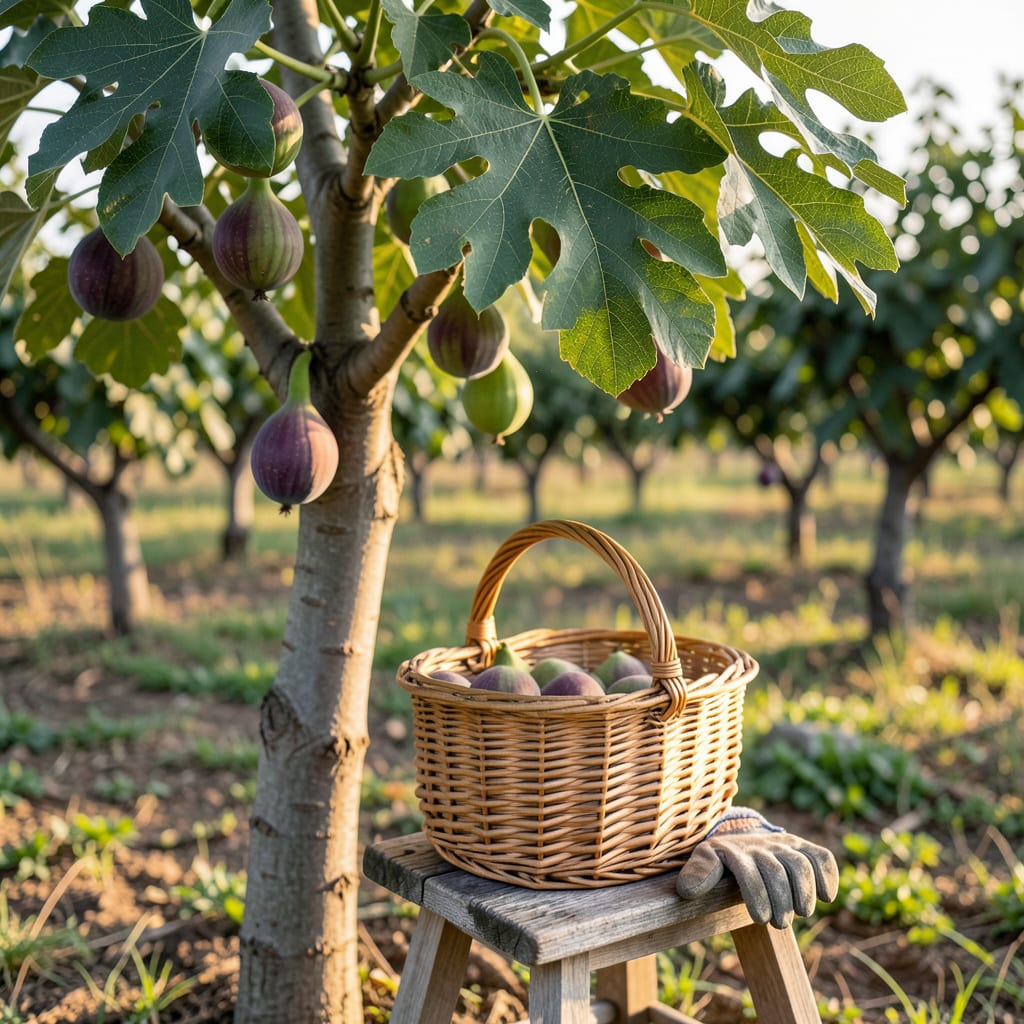
Knowing exactly when to pick figs from your 🌳 Fig Tree can mean the difference between a bland harvest and burst-of-sunshine sweetness. Timing is everything with these delicate fruits.
I’ll show you the key signs to watch for and how to avoid common mistakes. With these tips, you’ll be enjoying perfectly ripe figs at their peak flavor.


I always watch my fig tree closely as harvest season approaches. The first sign I look for is a color change in the fruit, which varies by variety but often shifts from green to deep purple, brown, or black.
Another clear indicator is when the fruit neck begins to droop slightly. This happens as the fig ripens and becomes heavier. The texture also changes, becoming soft to touch when gently squeezed.
| Sign | Description |
|---|---|
| Color Change | Green to purple/brown/black |
| Neck Droop | Fruit bends downward |
| Soft Texture | Yields to gentle pressure |
| Sweet Aroma | Noticeable fruity scent |
I’ve learned that a ripe fig will often develop a sweet aroma that you can smell when you’re near the tree. This is especially true for varieties like Brown Turkey or Black Mission.
For Celeste figs, which stay green when ripe, I rely more on the neck droop and softness. The seasonal timing also helps – most figs ripen between June and October, depending on your climate.
I check my figs daily once they start changing color. The ripening process can be quick, sometimes just 1-2 days from nearly ripe to perfect. If I see sap oozing from the fruit, I know it’s at peak ripeness.
Remember that figs won’t ripen after picking, unlike some other fruits. This makes timing your harvest crucial. I also watch for wrinkled skin near the stem, which is another good sign.
In hotter climates, figs may ripen faster. I find that my trees in USDA zones 7-9 often produce two crops – a breba crop in early summer and the main crop in late summer or fall.
For the best flavor, I harvest in the early morning when temperatures are cooler. This helps preserve the figs’ natural sweetness and freshness.
I always use clean pruners or my hands to gently twist the fig off the tree. Be careful not to squeeze too hard, as ripe figs bruise easily. ☀️
Understanding the ripening stages of figs helps me harvest at the perfect moment. The process begins with small, hard green fruits that gradually grow and change color as they develop.
The first major phase is the growth stage, where figs increase in size but remain firm. During this time, they’re not yet ready for picking, as they lack sweetness and proper texture.
As figs enter the early ripening stage, I notice the color transition. For Black Mission figs, this means shifting from green to deep purple. The fruit also begins to soften slightly.
The peak ripeness stage is when I harvest most of my figs. At this point, the neck bends downward, the fruit feels soft when gently pressed, and the skin may develop slight wrinkles near the stem.
If left too long, figs enter the overripe phase. They may split open or begin to ferment on the tree. While some gardeners prefer this ultra-soft stage, I find it attracts more pests.
I’ve learned that timing varies by variety. My Brown Turkey figs often ripen faster than Celeste figs, which maintain their green color even when ready to pick.
Remember that figs won’t ripen after picking, so it’s crucial to wait for these visual cues. I check my trees daily during harvest season to catch each fig at its peak. 🌿
I’ve made my share of mistakes harvesting figs over the years. The most common error I see is picking too early. Hard, green figs won’t ripen off the tree and will be tasteless.
Another frequent issue is waiting too long. Overripe figs often split open or ferment, attracting pests like fruit flies or ants. They can also drop from the tree.
Picking unripe figs means no sweetness. Waiting too long risks splitting and pest problems. Always use gentle pressure to test ripeness.
I learned the hard way that using tools incorrectly can damage both the fruit and tree. Never pull figs forcefully – this can tear the plant tissue and reduce future yields.
Another mistake is harvesting during hot afternoon hours. I always pick in the early morning when figs are coolest. This preserves their texture and flavor.
I also see gardeners neglect to check their trees daily during harvest season. Figs can go from perfectly ripe to overripe in just 24-48 hours, especially in warm weather.
Finally, remember that different varieties have different timing. My Celeste figs need more careful checking since they stay green when ripe. Always research your specific variety’s characteristics. 🌳
Check daily once color change begins. Figs can ripen in just 24-48 hours, especially in warm weather. The window between perfect and overripe is short.
Varieties like Celeste maintain green skin even when ready. Rely on neck droop, softness, and sweet aroma instead of color. These types often ripen in late summer.
Avoid harvesting during hot hours. Pick in early morning when figs are cool to preserve texture and sweetness. Afternoon heat can make them mushy.
Overripe figs split, ferment, or drop from the tree. They attract pests and lose their firm texture. Harvest at first sign of neck droop for best flavor.
