
Beautiful Plants For Your Interior
Beautiful Plants For Your Interior
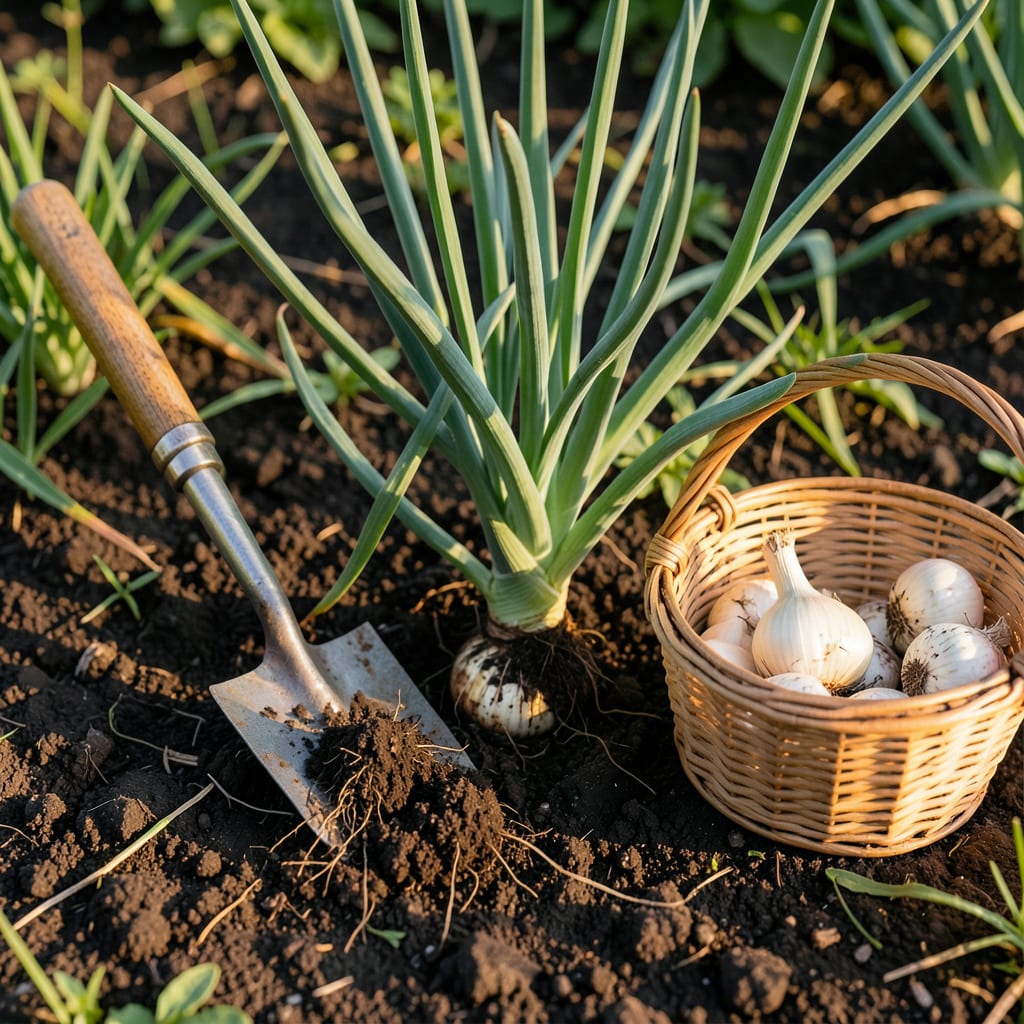
I remember the first time I nearly missed my Elephant Garlic 🧄 harvest by a week. Those last few days can make or break your bulbs’ flavor and storage life.
Timing is everything with this giant allium. We’ll cover the visual cues and seasonal signals that tell you it’s ready, so you never second-guess again.


I’ve learned that Elephant Garlic gives clear signals when it’s harvest-ready. The most reliable sign is yellowing lower leaves, which indicates maturity is near. Don’t wait for all foliage to die back, though.
Another key indicator is softening stems that begin to flop over. This happens as the plant redirects energy to the bulb. The bulb wrappers also turn papery and dry when it’s time.
| Harvest Signal | Description |
|---|---|
| Lower leaves | Turn yellow and brown |
| Stems | Soften and fall over |
| Bulb wrappers | Become papery and dry |
| Upper leaves | May stay green but lower 1/3 die |
If all leaves are still green and upright, your Elephant Garlic isn’t ready. The stems should be firm only in the early stages. Watch for that lower third browning as your cue.
I check my plants weekly in late spring for these changes. The transition from green to yellow happens quickly, so daily inspections are wise as harvest time approaches.
Another tip: Gently brush away soil at the base to check bulb size. Mature Elephant Garlic bulbs will have dry, papery skins and feel firm to the touch.
Don’t confuse drought stress with maturity. If leaves yellow due to lack of water, the bulbs won’t be fully developed. Consistent moisture is key until harvest.
In my experience, morning harvesting works best. The soil is cooler, and the plants are less stressed. Use a garden fork to lift bulbs carefully, avoiding bruising.
After digging, let the bulbs cure in a dry, shaded spot for a week. This enhances flavor and extends storage life significantly.
Remember, Elephant Garlic typically takes 240 days from planting to harvest. If you planted in fall, expect to dig in June or July.
✂️In my garden, Elephant Garlic planted in October or November usually reaches maturity in June or July. This 240-day timeline can shift based on your USDA zone and weather patterns.
Warmer climates may see harvests 2-3 weeks earlier, while cooler regions might need an extra 10-14 days. I always mark my calendar for late spring checks.
I’ve noticed that consistent spring rains can accelerate growth, while late frosts may delay it. Watch for those visual cues rather than just the calendar.
In drought conditions, I increase watering to 2x weekly to prevent stress. But remember, overwatering can rot bulbs just before harvest.
For northern gardeners, the window might stretch into early August. Southern growers often harvest in late May due to warmer soils.
I always check the 10-day forecast before harvesting. A heat wave can force early maturity, while cool spells extend the waiting period.
✂️I’ve made my share of harvesting errors with Elephant Garlic, and the biggest is pulling bulbs too early. This results in underdeveloped cloves that won’t store well.
Another common mistake is waiting too long after the leaves fully die back. The bulbs can split or begin rotting in the ground, wasting months of growth.
Don’t harvest when leaves are still fully green – bulbs won’t be mature.
Avoid digging during wet conditions – this promotes rot.
Never pull by the stems – use a garden fork to prevent damage.
I learned the hard way that improper curing ruins storage potential. Bulbs need dry, shaded conditions for at least a week after digging to develop their papery skins.
Mishandling bulbs post-harvest causes bruising. I always handle them gently and avoid stacking heavy bulbs, which can lead to internal damage.
Remember, Elephant Garlic needs that full 240-day growth period. Rushing the process cheats you of the best flavor and storage quality.
✂️Check for yellowing lower leaves and soft, flopping stems. The bulb wrappers should be dry and papery. If all leaves are still green, wait a little longer.
You’ll get underdeveloped cloves that won’t store well. The flavor will be mild, and the bulbs may not reach their full size. Patience ensures the best results.
No, waiting too long can cause splitting or rotting. Once the lower third of leaves brown and stems soften, it’s time to dig them up carefully.
Cure them in a dry, shaded spot for at least 1 week. This lets the skins dry and enhances storage life. Avoid stacking or bruising them.
