
Beautiful Plants For Your Interior
Beautiful Plants For Your Interior
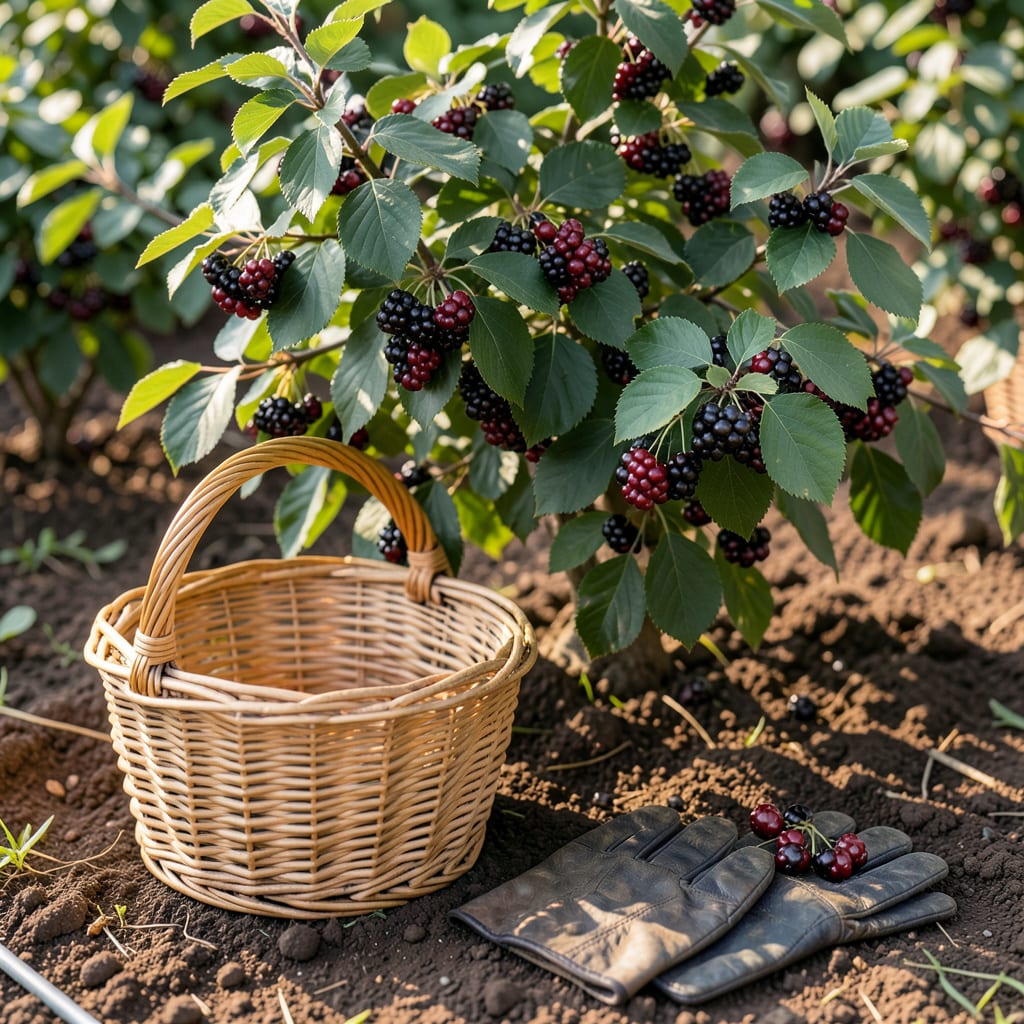
Timing is everything when it comes to harvesting Chokecherry 🍒. Picking too early means bitter berries, but waiting too long risks losing them to birds or spoilage.
I’ll show you the easiest way to spot perfect ripeness through color and texture cues. With these tips, you’ll gather the sweetest harvest every time.


Timing your chokecherry harvest perfectly ensures the best flavor. These wild fruits typically ripen from mid-August to September, but the exact timing varies by region and climate conditions.
I always look for deep purple-black berries as the first sign of readiness. The color change from red to dark purple indicates the sugars are developing, reducing the characteristic astringency.
| Ripeness Sign | Description |
|---|---|
| Color | Deep purple-black hue |
| Texture | Slightly soft when pressed |
| Aroma | Sweet scent present |
| Detachment | Easily pull from stem |
The texture test is my go-to method. Gently squeeze a berry—if it yields slightly under pressure, it’s ready. Hard berries need more time, while mushy ones may be overripe.
Regional differences matter too. In cooler northern climates, chokecherries often ripen later, sometimes stretching into early September. Warmer areas may see ripe berries as early as late July.
Watch the cluster appearance as well. When most berries in a group have turned color, it’s time to harvest. I find that bird activity increases as berries ripen, so keep an eye out for feathered competitors!
For the best flavor development, pick chokecherries after a few warm, sunny days. These conditions help concentrate the natural sugars, making your harvest sweeter and less astringent.
Remember that morning harvesting is ideal. The berries are firmer and cooler, which helps preserve their quality during processing. Avoid picking after rain, as wet berries can spoil quickly.
If you’re unsure, conduct a taste test on a few berries. The astringency should be minimal in fully ripe chokecherries, with a good balance of sweetness and tartness.
Finally, always use clean containers and handle berries gently to prevent bruising. This helps maintain quality for jams, syrups, or freezing for later use.
🌿Nothing beats the taste test for confirming chokecherry sweetness. I simply pop a berry in my mouth—if the astringency is mild and the flavor is balanced, it’s harvest time. Underripe berries will make your mouth pucker.
For a less direct method, I check the juice color. Crushed ripe chokecherries release a deep purple juice, while green or red juice means they need more time. This visual cue is especially helpful for large harvests.
Taste test for minimal astringency
Check for deep purple juice
Watch for bird activity increase
I also pay attention to bird behavior. When flocks start gathering around your chokecherry trees, it’s a natural sign the berries are nearing peak ripeness. Birds have excellent timing for this!
The squeeze test works well too. Ripe chokecherries should feel slightly soft but not mushy. If they’re still hard, give them a few more days of sunshine to develop their sugars.
Remember that weather affects flavor. After a stretch of warm, sunny days, chokecherries tend to be sweeter. Cool, cloudy weather can delay ripening and result in more astringent berries.
For the most accurate results, I test berries from different parts of the tree. Ripening can vary, with berries on the sunny side often maturing first. This ensures I don’t miss any ready-to-harvest clusters.
🌿Harvesting chokecherries at the wrong time can ruin your entire batch. I’ve learned the hard way that picking too early results in bitter, astringent berries that are unpleasant to use.
Ignoring weather conditions is another common pitfall. Wet berries spoil quickly, so I always wait for dry, sunny days to ensure the best quality harvest.
Warning: Avoid These Harvesting Errors
Picking unripe berries leads to extreme astringency. Always check color and texture first. Wet conditions cause spoilage—harvest only in dry weather.
Mishandling the berry clusters can bruise the fruit. I use clean, shallow containers to prevent crushing and keep the berries intact during transport.
Another mistake is delaying the harvest too long. Overripe chokecherries become mushy and attract pests. I check my trees daily once they start ripening to catch them at the perfect stage.
Finally, don’t forget to test multiple clusters. Ripening can be uneven, and some branches may mature faster than others. This ensures I don’t miss any ready-to-pick berries. 🌿
Look for a deep purple-black hue as the primary sign. The color change from red to dark purple shows the sugars are developing, reducing bitterness.
Gently squeeze a berry—if it gives slightly, it’s likely ripe. Also, check for a sweet aroma or deep purple juice when crushed. Birds gathering is another good sign.
Warm, sunny days produce sweeter berries. Avoid harvesting after rain, as wet fruit spoils quickly. Morning picking is ideal for firmer berries.
Underripe chokecherries will be extremely astringent and bitter. The mouth-puckering tannins haven’t broken down yet, making them unpleasant to eat or cook with.
