
Beautiful Plants For Your Interior
Beautiful Plants For Your Interior
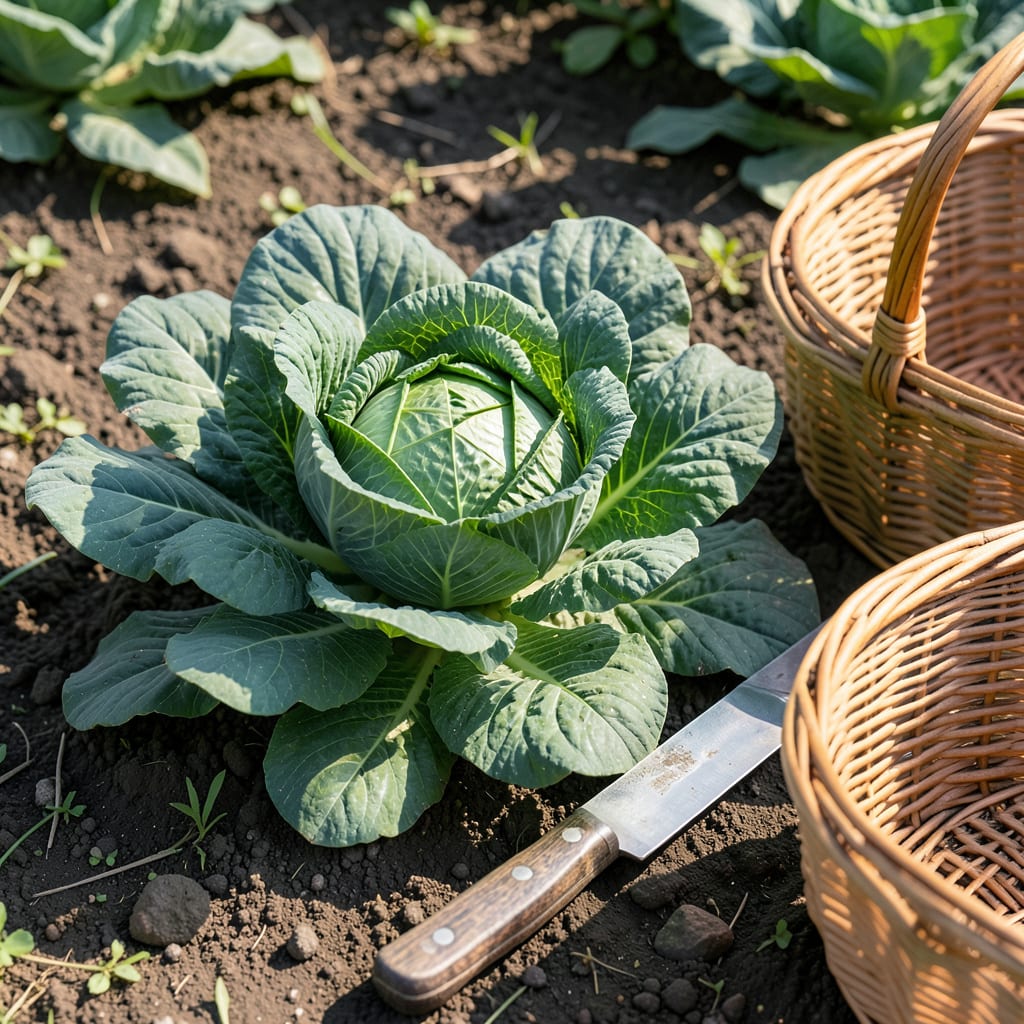
Timing your cabbage harvest can make or break your garden’s success. Picking too early or late affects flavor and texture considerably.
I’ll show you the most reliable signs to look for when your 🥬 cabbage is perfectly ready. Discover how to get crisp, delicious heads every time.


I always check for head firmness first when deciding if my cabbage is ready. A mature head should feel solid and dense when gently squeezed, not soft or spongy.
Another clear sign is outer leaves beginning to loosen slightly. This indicates the head has reached its full size and is ready for harvest.
| Sign | Description |
|---|---|
| Firm Head | Feels solid when squeezed |
| Size | Reaches variety-specific diameter |
| Color | Deep, consistent hue for type |
| Leaves | Outer leaves start to loosen |
For green cabbage, look for a bright green color and a tight head about 6-8 inches across. Red cabbage should have a deep purple-red hue.
Savoy cabbage is ready when its crinkled leaves form a compact head. The textured appearance makes it easy to identify.
I’ve found that early varieties like Golden Acre mature in about 60-70 days, while late varieties such as January King can take up to 90 days.
Check the seed packet for your specific variety’s expected maturity time. This gives you a reliable timeline to reference.
Size matters too. Most cabbage heads should be at least 4-6 inches in diameter before harvesting. Smaller heads may not be fully developed.
If the outer leaves are still tightly wrapped, your cabbage likely needs more time. Patience pays off with a better harvest.
Finally, remember that cool weather can extend the growing season. A light frost can even enhance the flavor of some cabbage varieties ❄️
I’ve learned that temperature plays a huge role in when to pick cabbage plants. Cool weather between 40-75°F is ideal for optimal growth and flavor development.
Early frost can actually improve sweetness, but hard freezes will damage the heads. I always aim to harvest before the first hard freeze hits.
Early varieties like Early Jersey Wakefield mature faster in spring, while storage cabbages do better planted for fall harvest.
In my experience, succession planting every 2-3 weeks extends the harvest season. This way, I always have fresh cabbage ready when I need it.
Hot weather above 80°F can cause premature bolting. If this happens, harvest immediately as the flavor deteriorates quickly.
For extended storage, I harvest late varieties after a light frost but before a hard freeze. These keep well in a root cellar for months.
Remember that consistent moisture is key. Drought stress can lead to split heads or poor formation ☀️
I see many gardeners harvest too early and end up with small, loose heads. Always check for firmness and full size before cutting.
Another common error is waiting too long. Overmature cabbage can split open or develop a bitter taste, especially in hot weather.
Harvesting too early: Leads to undersized heads with poor texture
Using dull tools: Can crush the stem and reduce storage life
Leaving in heat: Causes bolting and bitterness quickly
Improper storage: Store in cool, humid conditions for longevity
I always use a sharp knife to cut the entire head cleanly at the base. This prevents damage to the stem and allows for better regrowth if you’re harvesting early varieties.
Never twist or pull the cabbage from the ground. This can damage the roots and disturb nearby plants. A clean cut is always best.
After harvesting, I remove any loose outer leaves and store the heads in a cool, dark place. Proper handling extends shelf life significantly. ✂️
Picking too soon results in small, loose heads with poor texture. The cabbage won’t have developed its full flavor or density yet.
A light frost can actually improve sweetness. However, hard freezes will damage the heads, so harvest before temperatures drop below 25°F.
Overmature cabbage often splits open or develops a bitter taste. The head may also feel less dense when squeezed.
Use a sharp knife to cut the entire head cleanly at the base. Never twist or pull, as this can damage the plant and reduce storage life.
