
Beautiful Plants For Your Interior
Beautiful Plants For Your Interior
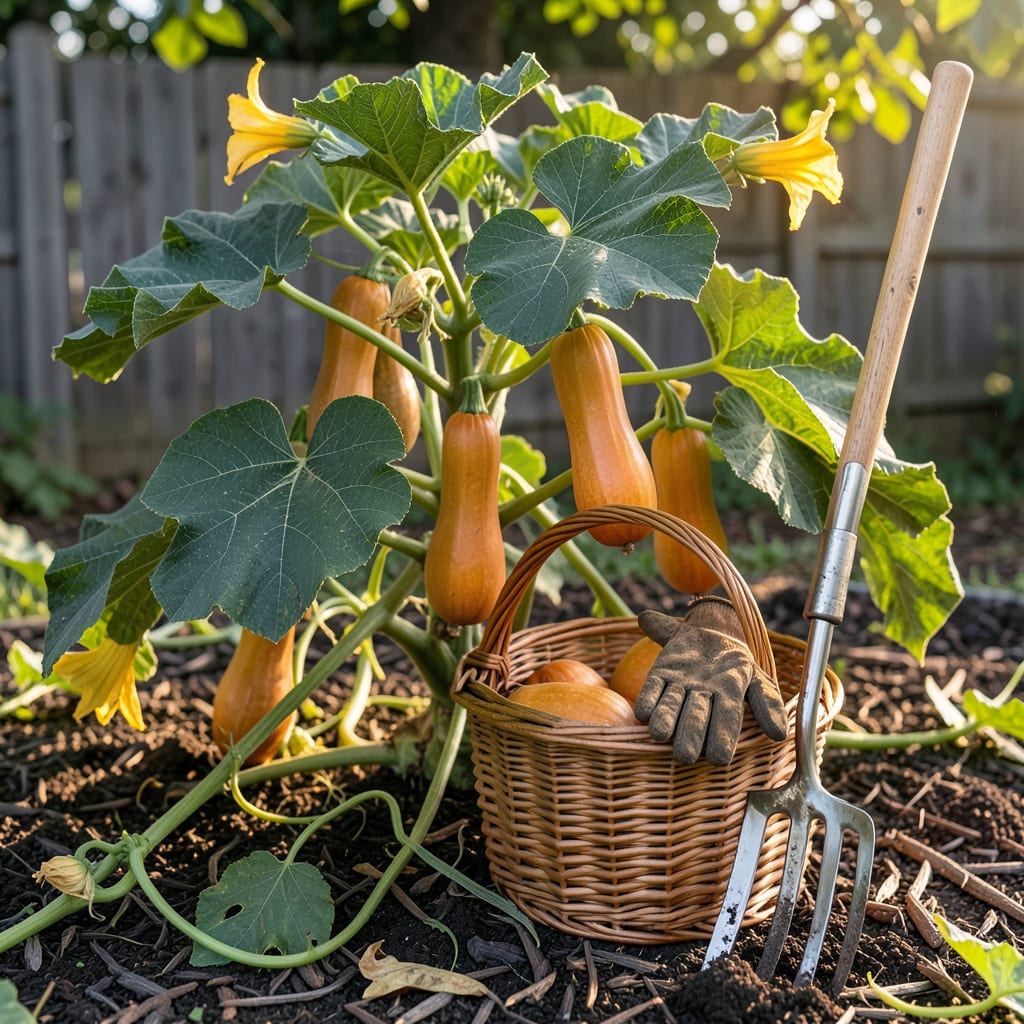
That moment when your 🎃 Butternut Squash finally looks ready—but how can you be sure? Picking too early means bland flavor, while waiting too long risks rot. The difference between a perfect harvest and a disappointing one comes down to just a few key signs.
I’ll walk you through the exact visual and tactile cues to look for, from skin hardness to stem condition. No guesswork—just perfect timing for the sweetest, longest-lasting squash of the season. Let’s get it right the first time.


Timing is everything when harvesting butternut squash. Picking too early means bland, watery flesh, while waiting too long risks rot or pest damage. I’ve learned the hard way that size alone isn’t enough—you need to check multiple ripeness indicators for the best flavor and storage life.
Most varieties take 85–100 days to mature, but weather and soil conditions can speed up or delay this. Instead of counting days, I focus on visual and tactile cues. A perfectly ripe butternut squash will practically tell you it’s ready if you know what to look for.
I always start with the thumbnail test—it’s the quickest way to gauge ripeness. Gently press your nail into the skin. If it leaves a mark or punctures easily, the squash needs another week or two on the vine. A mature butternut will feel as tough as a hard-shell pumpkin.
The stem condition is another dead giveaway. Early in the season, stems are plump and green. As harvest time nears, they dry out and turn brown or gray. If the stem snaps off easily when you lift the squash, it’s a good sign. Never twist or pull—always use pruning shears to avoid damaging the vine.
Color changes are subtle but critical. Immature butternut squash often have green patches or a pale, almost white hue. A ripe squash develops a rich tan-orange color, sometimes with slight vertical ridges. If you’re growing a variety like ‘Waltham’ or ‘Ponca’, expect deeper orange tones than ‘Early Butternut’ types.
Don’t ignore the vines themselves. As squash ripen, the plant shifts energy from leaf growth to seed maturation. You’ll notice the leaves nearest the fruit start to yellow or crisp up. This is normal! However, if the entire plant is dying back due to disease or pests, harvest immediately to salvage your crop.
Size matters, but it’s the last checkpoint I use. A butternut squash might reach full size weeks before it’s actually ripe. Focus on the other signs first. That said, if your squash is still tiny after 100 days, poor pollination or nutrient deficiencies might be to blame—not just timing.
Here’s my pro tip: Harvest on a dry, sunny morning after the dew evaporates. Wet squash can develop mold during curing. Use a sharp knife or shears to cut the stem, leaving 1–2 inches attached. This “handle” prevents rot during storage and makes the squash easier to carry without bruising the skin.
If you’re still unsure, harvest one test squash and cure it for 10 days in a warm, dry place. A ripe butternut will develop a sweeter flavor and harder skin during curing, while an underripe one will stay bland. This trick has saved me from harvesting an entire crop too early more than once! 🪴
Timing your butternut squash harvest depends heavily on your growing zone and when you planted. Most varieties need 85–100 days to mature, but cooler climates may extend this window. I always mark my planting date on the calendar to track progress accurately.
In warmer zones (7–9), you might harvest as early as late August, while cooler zones (4–6) often see ripe squash in September–October. Frost is your enemy—harvest before the first frost hits, or risk damaging the fruit. Watch local weather forecasts as fall approaches.
| Growing Zone | Planting Window | Harvest Window | Frost Consideration |
|---|---|---|---|
| Zones 4–5 | Late May–June | Mid-Sept–Oct | Harvest before first frost |
| Zones 6–7 | Mid-April–May | Late Aug–Sept | Watch for early frosts |
| Zones 8–9 | March–April | Late July–Aug | Frost rarely an issue |
*Adjust for microclimates and late-season varieties.
If you planted early-season varieties like ‘Ponca’, expect harvest 10–14 days sooner than standard types. For late-season varieties such as ‘Waltham’, add 7–10 extra days to the maturity timeline. Always check your seed packet for specifics.
I’ve found that soil temperature plays a role too. Cooler soils slow growth, so northern gardeners might need to extend the timeline by a week or two. Use a soil thermometer—if temps dip below 60°F, your squash will grow more slowly.
Don’t forget successive planting! Staggering plantings every 2–3 weeks ensures a continuous harvest. In my garden, I plant a new batch in early June for a late October harvest, just before the first frost typically arrives.
Finally, if you’re unsure about timing, test one squash first. Cut it open to check the seed cavity—if seeds are plump and tan, the rest are likely ready. This simple trick has saved me from harvesting an entire crop too early more than once! 🪴
Timing is everything when harvesting butternut squash. Pick too early, and you’ll end up with underripe fruit that lacks sweetness and won’t store well. The skin will be soft, and the flesh may taste bland or watery. I’ve seen gardeners rush to harvest based on size alone, only to regret it later.
On the flip side, leaving squash on the vine too long can lead to overripeness. The seeds may become overly large, and the flesh can turn stringy or mushy. Worse, an overripe squash is more prone to rot or pest damage before you even get it inside.
Tip: If you pick early, try curing in a warm, dry place for 10 days to improve storage life.
If you accidentally harvest early, don’t panic. Place the squash in a warm, dry spot (around 80°F) for 7–10 days to cure. This can help the skin harden and extend storage time, though the flavor won’t fully develop.
For overripe squash, check for soft spots or mold immediately. Cut away damaged areas and use the remaining flesh promptly—it won’t keep long. I once saved an overripe batch by roasting and freezing the flesh for later use in soups.
Remember, the ideal harvest window is just 1–2 weeks. Monitor your plants daily as the season winds down. When in doubt, test the thumbnail hardness and stem dryness—these are your best clues for perfect timing.
Most varieties reach full maturity in 80–100 days after planting. The exact timing depends on your growing zone and weather conditions. Check the seed packet for your specific variety’s days-to-harvest estimate.
Yes, but only if the squash shows ripeness signs like a hard skin and deep orange color. Frost can damage unripe squash, so harvest before temperatures drop below 32°F. If frost is forecast, cover plants with row fabric overnight.
Use the thumbnail test: press your nail into the skin. If it resists puncture, it’s ready. Also check the stem—it should be dry and brittle. Avoid pulling; instead, cut with pruners, leaving 1–2 inches of stem attached.
Unlike tomatoes, butternut squash won’t ripen further off the vine. However, if picked slightly early, you can cure it in a warm, dry place (80°F) for 7–10 days to improve storage life and skin hardness.
