
Beautiful Plants For Your Interior
Beautiful Plants For Your Interior
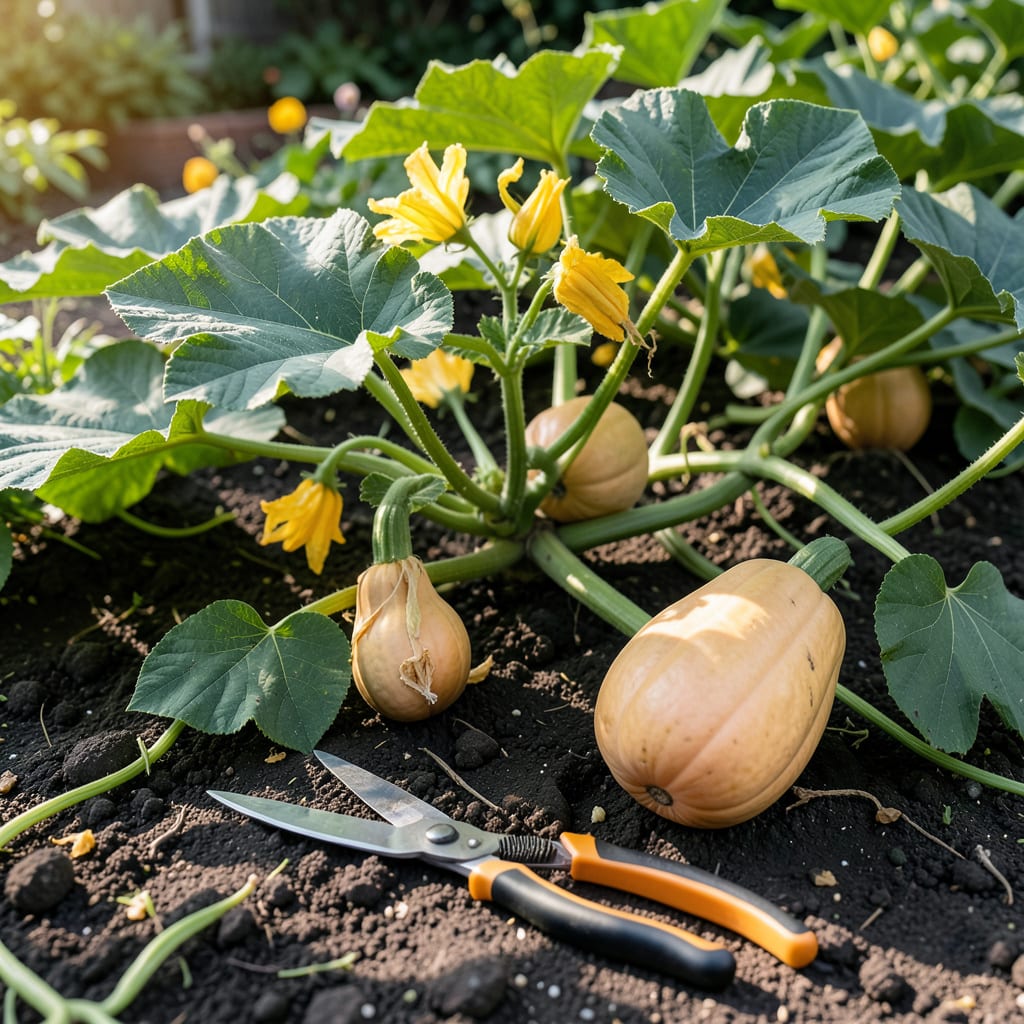
Nothing beats the satisfaction of growing your own 🎃 Butternut Squash, but knowing when to harvest can be tricky. Picking too soon or too late affects both flavor and storage life.
I’ll show you the key signs to look for, from skin color to vine condition, so you can confidently gather your crop at its peak. Let’s make this your best harvest yet.


Timing your butternut squash harvest perfectly ensures the best flavor and longest storage life. Unlike tomatoes or peppers, these squash don’t ripen further once picked, so getting it right the first time is crucial.
I’ve found the most reliable indicators are visual and physical cues rather than just counting days. Look for a combination of color change, rind hardness, and vine condition to confirm readiness.☀️
| Sign | Ready When |
|---|---|
| Skin color | Deep, consistent tan |
| Rind hardness | Resists fingernail pressure |
| Vine condition | Drying and brown |
| Stem appearance | Dry and woody |
The first sign I check is the skin color. A mature butternut squash transitions from green to deep tan as it ripens. This color change should be uniform across the entire squash.
Next, I test the rind hardness. Press your fingernail into the skin—if it resists puncture, it’s ready. This hardness develops as the squash matures and is a key indicator of storage potential.
The vine condition is another reliable clue. As the squash nears harvest time, the vine begins to die back and turn brown. This is nature’s way of signaling that the plant’s energy is no longer going into growth.
Don’t overlook the stem. A ready-to-harvest butternut squash will have a dry, woody stem. If the stem is still green and flexible, the squash likely needs more time on the vine.
Size matters too. Most varieties reach 10-12 inches long at maturity. While size alone isn’t the only indicator, it’s a good rule of thumb when combined with other signs.
I always recommend checking multiple squash on the same plant, as they may ripen at slightly different rates. Look for consistency in these signs across your crop.
Remember, butternut squash won’t ripen off the vine like some other fruits. Once picked, what you have is what you get, so these checks are essential for the best harvest.🌱
I see many gardeners struggle with harvest timing for butternut squash. Picking too early or too late can ruin months of hard work. The most common mistake is ignoring vine die-back, which is nature’s clear signal.☀️
Another frequent error is harvesting before full color development. That pale green skin means the squash isn’t ready, no matter how big it looks. Patience here ensures better flavor and longer storage.
⚠️ Warning: Harvesting butternut squash after frost damage ruins texture. The cold turns the flesh mushy and shortens storage life significantly.
Some growers wait until the skin turns orange, but this is actually a sign of over-ripeness. The ideal color is a deep, consistent tan. Orange patches indicate the squash has passed its prime.
I’ve learned that frost exposure is a deal-breaker. Even a light frost can damage the squash, making it unsuitable for storage. Always harvest before the first frost in your area.
Another pitfall is picking based on size alone. While most varieties reach 10-12 inches, some may be larger or smaller. Always combine size with other readiness signs.
Lastly, don’t overlook the stem condition. A green, flexible stem means the squash needs more time. Only harvest when the stem is dry and woody. These simple checks prevent most harvesting mistakes.🌱
After picking your butternut squash, the work isn’t over. Proper curing is essential to harden the skin and extend storage life. I always cure mine in a warm, dry place for about 10-14 days.☀️
This curing process helps the squash develop a tougher rind, which protects against rot and pests. Without curing, even perfectly ripe squash may not store well.
Once cured, store your squash in a cool, dry place like a basement or pantry. The ideal temperature range is 50-55°F with low humidity. This setup can keep them fresh for 2-3 months.
I recommend checking stored squash weekly for any signs of spoilage. Remove any that show soft spots or mold immediately to prevent it from spreading to others.
Never store butternut squash near apples or pears, as these fruits release ethylene gas, which can cause your squash to spoil faster. Proper storage ensures you’ll enjoy your harvest well into winter.🌱
Press your fingernail into the skin. If it resists puncture and leaves no mark, it’s ready. A soft rind means it needs more time on the vine.
Wait until the vine starts dying back and turns brown. A green vine means the squash is still maturing. Harvesting too early affects flavor and storage life.
No. Even a light frost can damage the squash, making it mushy and unsuitable for storage. Always pick before frost hits your area.
A deep, consistent tan signals full maturity. Green or pale patches mean the squash isn’t ready. Color is the first visible cue that it’s time to harvest.
