
Beautiful Plants For Your Interior
Beautiful Plants For Your Interior
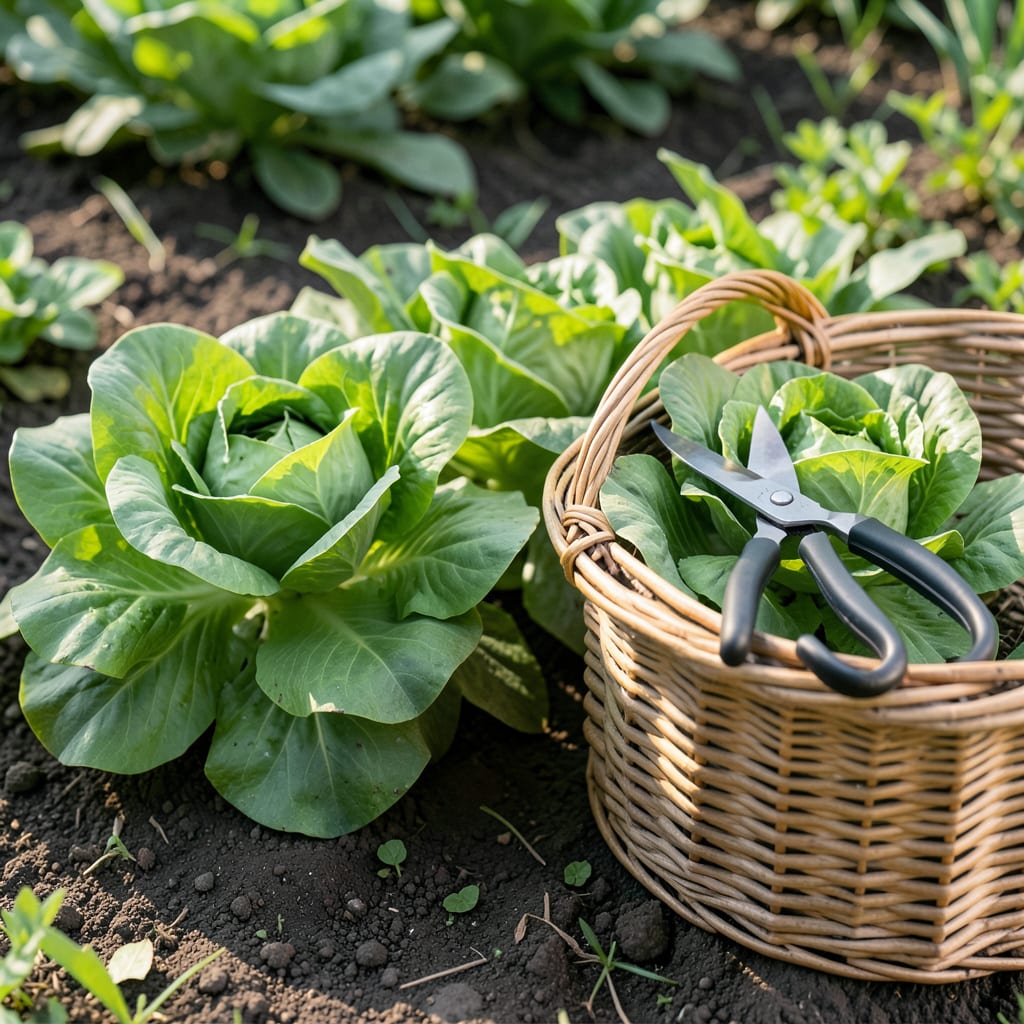
Timing is everything when it comes to harvesting that perfect Butter Lettuce 🥬 crop. Pick too soon, and you’ll miss out on the full, tender leaves it’s known for.
I’ll show you the exact signs to look for, so you can enjoy crisp, flavorful leaves at their peak. Let’s discover how to get it just right every time.


Timing your butter lettuce harvest perfectly means watching for visual and tactile cues. I look for a fully formed head that feels firm yet tender when gently squeezed. The leaves should be a vibrant green with a slightly waxy sheen.
The outer leaves are my first clue—they should reach 6-8 inches long and feel crisp to the touch. If they’re still small or floppy, I give them more time. The stem at the base should snap easily when bent, confirming maturity without cutting into the plant.
| Sign | Description |
|---|---|
| Head Formation | Loose but defined rosette shape |
| Leaf Size | 6-8 inches long outer leaves |
| Texture | Crisp and tender to touch |
| Stem Test | Snaps cleanly when bent |
I avoid harvesting if the center is still tight or the leaves look sparse. A mature butter lettuce should have a soft, buttery feel when you run your fingers over the leaves. This texture is the namesake of this variety, so don’t settle for less.
Another trick I use is the color check. If the inner leaves are pale or yellowing, it might be overmature. Ideal butter lettuce has uniform green leaves from the outside in, with no signs of bolting or bitterness.
The time of year matters too. In spring or fall, when temperatures stay between 60-70°F, butter lettuce matures faster. If a heatwave hits, I harvest immediately to prevent bolting, which turns leaves bitter.
I also watch for bolting signs like a tall central stalk forming. Once this happens, the leaves quickly turn bitter, so I act fast. In cooler climates, I can sometimes get two harvests from one planting by cutting just the outer leaves first.
For the best flavor, I harvest in the early morning when the leaves are most hydrated. This ensures the crispest, sweetest greens possible. If I can’t harvest in the morning, I at least avoid the hottest part of the day to preserve quality.
Finally, I always use clean, sharp scissors or garden shears to avoid tearing the leaves. A clean cut helps the plant recover if I’m doing a partial harvest for continuous growth. This method lets me enjoy fresh butter lettuce for weeks.
Remember, butter lettuce is a cut-and-come-again crop if handled gently. By leaving the inner leaves and core intact, I often get 2-3 additional harvests from the same plant before it bolts or exhausts its energy.
With these signs in mind, you’ll never miss the perfect harvest window for your butter lettuce again. ✂️
Harvesting butter lettuce correctly ensures continuous growth and the best flavor. I always start by choosing the right time of day—early morning is ideal when leaves are most hydrated and crisp.
Using sharp, clean scissors or garden shears, I cut the entire head about 1-2 inches above the soil line. This method prevents damage to the growing crown and allows for potential regrowth.
For a partial harvest, I gently pull or cut only the outer leaves, leaving the inner leaves and core intact. This technique often gives me 2-3 additional harvests from the same plant over several weeks.
I avoid harvesting during the hottest part of the day as the leaves can wilt quickly. If I must harvest later, I store the lettuce in a cool, shaded area immediately to preserve freshness.
After cutting, I inspect the remaining plant for any signs of pests or disease. A healthy plant can continue producing if given proper care, including consistent watering and protection from extreme weather.
With these simple steps, you can enjoy fresh, tender butter lettuce while encouraging your plants to keep growing. This approach maximizes both yield and quality from your garden. ✂️
Harvesting butter lettuce at the wrong time can ruin its tender texture and flavor. I’ve learned that waiting too long is a common mistake—overmature leaves turn bitter and tough, especially in heat.
Another error I see is cutting too low to the soil, which damages the growing crown and prevents regrowth. Always leave 1-2 inches of stem for the best chance of a second harvest.
⚠️ Warning: Avoid harvesting during midday heat—wilting leaves lose crispness fast. Early morning is ideal for peak freshness.
Ignoring weather conditions can also backfire. If a heatwave is forecast, I harvest immediately to beat bolting. Butter lettuce prefers cool temperatures between 60-70°F for the sweetest flavor.
Improper post-harvest storage is another pitfall. I never leave harvested lettuce in the sun—it wilts in minutes. Instead, I rinse and store it in the fridge within an hour to maintain crispness.
Finally, using dull tools tears the leaves, reducing quality. I always use sharp scissors or shears for clean cuts. With these tips, you’ll avoid the most common mistakes and enjoy perfect butter lettuce every time. ✂️
Check for a fully formed head with 6-8 inch outer leaves that feel crisp. The stem should snap easily when bent.
Yes! Gently remove outer leaves first to encourage 2-3 more harvests from the same plant. Leave the inner core intact.
Early morning is ideal when leaves are most hydrated. Avoid the hottest part of the day to prevent wilting.
Leaves turn bitter and tough, especially in heat. Watch for bolting—a tall central stalk—and harvest immediately if it appears.
