
Beautiful Plants For Your Interior
Beautiful Plants For Your Interior
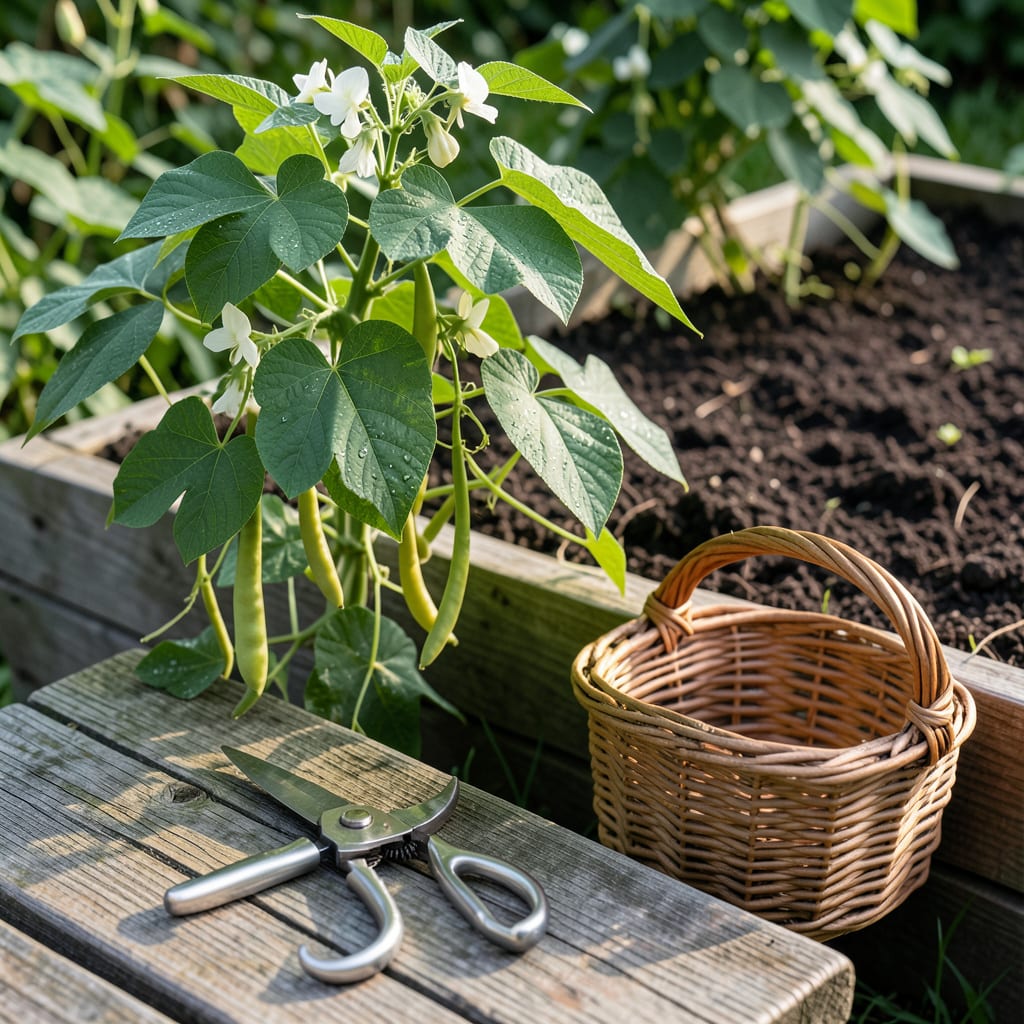
Nothing beats the taste of fresh Butter Beans picked at just the right moment. I learned the hard way that timing is everything with these garden favorites.
Watch for pods that swell and shift from bright green to pale yellow – that’s your cue. I’ll show you how to spot these game-changer signs so you never miss the perfect harvest window.


I always check my butter beans for two sure signs they’re ready: pod size and color change. The pods should reach 3-4 inches long with a noticeable swelling from the developing seeds inside.
Another giveaway is the color shift from bright green to a pale yellow or cream hue. This transformation signals the beans are at their peak tenderness and flavor.
| Sign | Description |
|---|---|
| Pod Size | 3-4 inches long |
| Color Change | Bright green to pale yellow |
| Seed Bulge | Visible through pod |
| Pod Firmness | Plump but still tender |
I gently squeeze the pods to feel for firm, fully developed seeds. If they feel too soft or the pod is still flat, I leave them on the vine for a few more days.
Timing is everything with butter beans. I’ve found that checking daily once the pods start changing color helps me catch them at the perfect moment before they become tough.
If the pods turn dark yellow or the seeds inside feel hard, they’ve likely gone past their prime. At this stage, they’re better suited for drying rather than fresh eating.
I also look for pods that snap easily when bent. This is a great indicator that the beans inside are mature but still tender enough for fresh harvest.
In my experience, morning harvesting works best. The pods are crisp and hydrated, making them easier to pick and preserving their quality for storage.
Remember that butter beans can mature at different rates, even on the same plant. I check each pod individually to ensure I’m not missing any that are ready.
Finally, I always use clean, sharp pruners or my fingernails to avoid damaging the plant. A gentle hand ensures the vine continues producing more delicious pods for future harvests.
With these tips, you’ll never miss the perfect harvest window for your butter beans again ☀️
Timing your butter bean harvest wrong can drastically affect flavor and texture. Picking too early leaves you with small, underdeveloped beans that lack sweetness and tenderness. These immature pods often feel flat and lightweight.
On the other end, waiting too long results in tough, starchy beans that are past their prime. Overripe pods turn dull yellow or brown and the seeds inside become hard and mealy.
If you’ve harvested early butter beans, don’t despair. These can still be used for quick cooking methods where their delicate texture shines. However, they won’t store as well as perfectly timed picks.
For overripe beans, consider shelling them for dried bean use. While not ideal for fresh eating, they can be saved for soups or stews where their firmer texture is less noticeable.
The sweet spot is when pods are plump but still bright green, with seeds that are fully formed but not hard. This is typically 75-90 days after planting, depending on your variety.
I always check my butter beans daily once they start maturing. The window between perfect and overripe can be just a few days in warm weather. Regular monitoring ensures I never miss that ideal moment 🌱
I’ve found that picking butter beans in the early morning gives the best results. The pods are at their most hydrated and sweetest after the cool overnight temperatures.
Evening harvests can lead to wilted pods, as the heat of the day draws out moisture. I always aim to collect my beans before the sun climbs too high.
After picking, I immediately cool the pods to preserve freshness. Storing them in the fridge within an hour of harvest maintains their tenderness and flavor.
For long-term storage, blanching before freezing works wonders. This keeps the beans vibrant and flavorful for months. I always label my bags with the date.
Remember, the sooner you process your beans after picking, the better they’ll taste. This is especially true for butter beans, which lose quality quickly if left in the heat.
I’ve noticed that pods picked at the right time snap easily when bent, a sure sign of perfect ripeness ✂️
Look for pods that are 3-4 inches long with a noticeable bulge from developing seeds. The color should shift from bright green to pale yellow or cream. They should feel plump but still tender when gently squeezed.
Overripe pods turn dull yellow or brown with hard, starchy seeds. These are tough and less flavorful for fresh eating but can be shelled and dried for soups or stews.
Pick in the early morning when pods are most hydrated and sweet. Evening harvests may wilt from daytime heat, affecting quality and storage life.
No, pods mature at different rates even on the same plant. Check each one individually daily once color changes begin to catch them at peak ripeness.
