
Beautiful Plants For Your Interior
Beautiful Plants For Your Interior
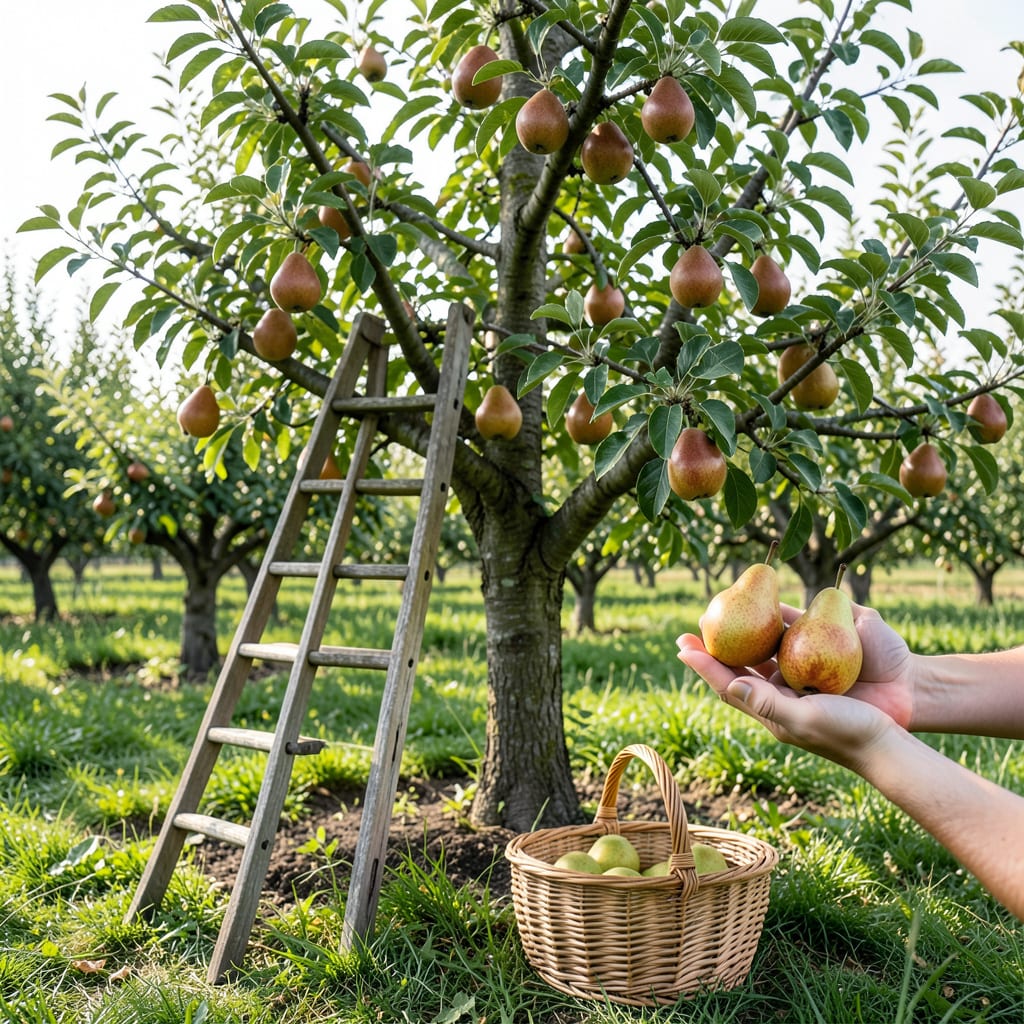
Knowing exactly when to pick Bosc pears means the difference between bland, underripe fruit and sweet, buttery perfection. Unlike other varieties, Bosc pears ripen off the tree.
Timing the harvest is critical. I’ll show you how to use the neck check method and other visual cues to pick at just the right moment for the best flavor and texture.


Timing your Bosc pear harvest perfectly ensures the best flavor and texture. Unlike other pears, Bosc varieties need to be picked before fully ripening on the tree. The neck check method is the most reliable way to test readiness.
This technique focuses on the stem end of the pear, where ripening begins. When the fruit is ready to harvest, this area will soften slightly under gentle pressure. It’s a simple but foolproof way to avoid picking too early or too late.
I always recommend checking pears in the early morning when temperatures are cooler. This helps you feel the true firmness without the fruit being affected by heat. Warm pears can feel softer than they actually are.
Another sign to look for is a slight color change. Bosc pears transition from green to golden brown as they mature. However, color alone isn’t enough—always use the neck check to confirm readiness.
If you press too hard during the neck check, you might bruise the fruit. Use just enough pressure to test for give, similar to checking a ripe avocado. The goal is to feel for subtle softness without damaging the pear.
Bosc pears are unique because they ripen off the tree. Picking them at the right stage ensures they’ll develop their signature sweet, buttery flavor during storage. If left on the tree too long, they can become mealy.
In my experience, late summer to early fall is the typical window for Bosc pears, but climate plays a role. Cooler regions may see a later harvest, while warmer areas might start earlier. Always prioritize the neck check over the calendar.
After picking, store your pears at room temperature to allow them to ripen fully. Once they yield to gentle pressure all over, they’re ready to enjoy. This method guarantees you’ll savor pears at their peak flavor and texture. ☀️
Remember, patience and observation are key. Don’t rush the process—wait for the neck to soften and the color to shift. Your reward will be perfectly ripe Bosc pears every time. 🌳
Timing your Bosc pear harvest depends heavily on your growing zone and local climate. In USDA zones 5-7, these pears typically ripen from mid-August to early September. Warmer zones like 8-9 may see harvests as early as late July.
Cooler climates slow ripening, often pushing harvest into late September. Always monitor visual cues like color change and neck softness rather than relying solely on dates. Weather fluctuations can shift timelines by 1-2 weeks.
| Region | Harvest Window | Key Signs |
|---|---|---|
| Zones 5-7 | Mid-August to early September | Golden brown color, neck softens |
| Zones 8-9 | Late July to early August | Easy stem separation, sweet aroma |
| Cooler Climates | Late September | Full color change, slight give |
In my garden, I’ve noticed that hot, dry summers can accelerate ripening by a week or more. Conversely, cool, wet springs may delay harvest by 10-14 days. Always cross-check with the neck check method for accuracy.
Another factor is tree age. Younger Bosc pear trees often produce fruit that ripens earlier in the season, while mature trees may hold their pears longer. This is why I recommend testing pears from different branches as they mature at varying rates.
Watch for subtle color shifts from green to golden brown, but remember that color isn’t the sole indicator. Some Bosc pears may show color changes while still being underripe. The neck check remains the most reliable test for readiness.
If you’re in a region with early frosts, aim to harvest before the first frost. Bosc pears can’t ripen properly if exposed to freezing temperatures. Use the neck check to prioritize which pears to pick first as the weather turns.
I’ve found that morning harvests yield the best results. The fruit is firmer and easier to test accurately. Store your pears at room temperature to allow them to ripen fully after picking. 🌿
Once you’ve picked your Bosc pears, proper post-harvest care ensures they reach their full, buttery-sweet potential. Unlike some fruits, Bosc pears need time to ripen off the tree.
Store them at room temperature, ideally in a single layer to prevent bruising. Avoid refrigeration until they’re fully ripe, as cold stops the ripening process.
🌱 Pro Tip: Place pears in a paper bag with a ripe banana or apple to speed up ripening. The ethylene gas they release accelerates the process naturally.
Check your pears daily for ripeness. They’re ready when the entire fruit yields to gentle pressure. The skin may also develop a slightly smoother texture as they soften.
Once ripe, move them to the refrigerator to slow further softening. Properly ripened Bosc pears will last 1-2 weeks in cold storage, maintaining their rich flavor and firm texture.
I always recommend tasting one pear first to confirm ripeness before storing the rest. This way, you can adjust storage conditions if needed to ensure perfect results every time. 🌿
Use the neck check: gently press near the stem. If it gives slightly, they’re ready. Color change to golden brown also signals ripeness.
No, wait until they start turning golden brown. Picking too early results in hard, flavorless fruit that won’t ripen properly.
Overripe pears become mealy and lose their signature buttery texture. Always harvest before they fully soften on the tree.
At room temperature, Bosc pears typically ripen in 3-5 days. Speed it up by placing them in a paper bag with a banana.
