
Beautiful Plants For Your Interior
Beautiful Plants For Your Interior
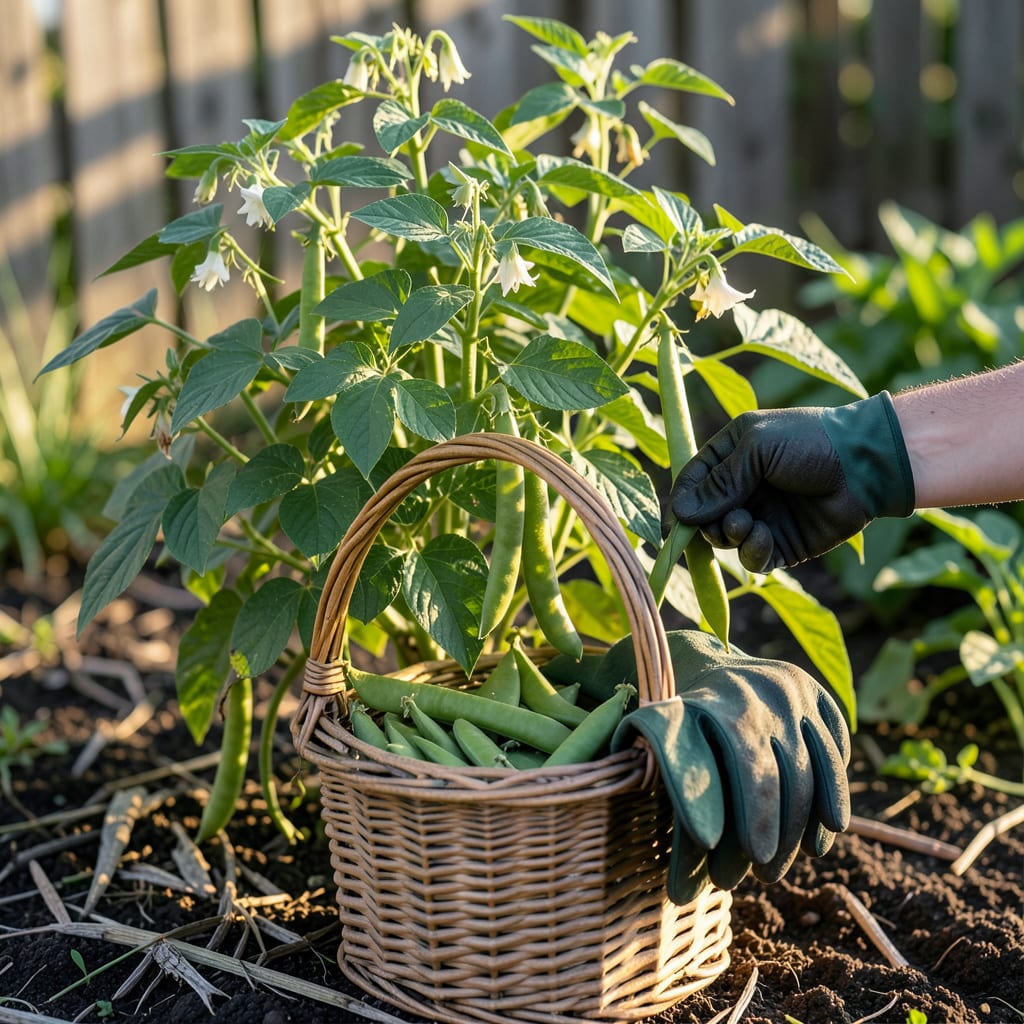
There’s nothing quite like the satisfaction of plucking a perfectly ripe bean from your garden—crisp, sweet, and bursting with flavor. But timing that harvest? That’s where many gardeners stumble.
Pick too soon, and you’ll miss out on that ideal snap; wait too long, and you’re left with tough, stringy pods. I’ll show you exactly how to read your 🌱 Bean plants like a pro, so every harvest is your best yet. Let’s get started.


Knowing when to pick beans starts with observing your plants closely. The perfect harvest window is often just 3-5 days long, so timing matters. For snap beans, look for pods that are firm, crisp, and about the pencil-width in diameter.
Color is another dead giveaway. Green beans should be a vibrant, uniform green—no yellowing or browning. Purple or yellow wax beans will show their true color when ready. If the pods still feel flat or lumpy, they need more time.
| Bean Type | Pod Size | Color | Texture |
|---|---|---|---|
| Green Snap Beans | 4-6 inches long | Bright green, no yellow | Firm, snaps easily |
| Purple Beans | 4-5 inches long | Deep purple, no green | Crisp, no soft spots |
| Lima Beans | 3-4 inches long | Light green, plump | Bulging slightly |
| Fava Beans | 6-8 inches long | Dark green, velvety | Firm, no wrinkles |
✅ Tip: Harvest in the early morning for the crispiest beans.
For shelling beans like limas or favas, the pods will feel plump and slightly spongy—that’s how you know the beans inside have filled out. Gently squeeze a pod; if you can feel the individual beans through the skin, they’re ready.
Pole beans often mature slightly later than bush beans, but the signs are similar. Check the lower pods first, as they typically ripen before the upper ones. If you see the pod curving downward, it’s a sign it’s overmature.
The “snap test” is my go-to trick. Bend a pod—if it breaks cleanly with a sharp snap, it’s perfect. If it bends like rubber or fibers dangle, it’s either too young or too old. Trust your senses!
Don’t forget the stem test. A ready bean will separate easily from the plant with a gentle tug. If you have to yank hard, it’s not quite there. Overripe beans often have dry, brown stems—another red flag.
If you’re growing dry beans for storage, leave pods on the plant until they’re fully brown and rattling. The beans inside should be hard—no dent when bitten. This usually takes 90-120 days, depending on your climate.
Remember, frequent harvesting encourages more production. I aim to pick my beans every 2-3 days during peak season. Miss a few days, and you’ll find overgrown pods that divert energy from new growth.
Finally, taste-test! Sample a bean raw (yes, really). If it’s sweet and crunchy, you’ve nailed it. Bitterness or toughness means you’ve waited too long. Now grab your basket and get picking—your plants will thank you! 🌿
Timing your bean harvest isn’t just about watching the plants—it’s about understanding each variety’s unique schedule. Most beans are ready 50-90 days after planting, but this varies widely. Let me break down what to expect for common types.
Green snap beans are the speedsters of the garden, typically ready in just 50-60 days. If you planted in late spring, you’ll likely be harvesting by mid-summer. Pole beans take slightly longer—about 60-70 days—but produce continuously if picked regularly.
💡 Pro Tip: Mark planting dates on your calendar to predict harvest windows accurately.
Your local climate plays a huge role too. In warmer zones (USDA 7+), beans mature faster—sometimes 5-7 days earlier than seed packets suggest. Cooler climates (Zones 4-5) may extend the timeline by 7-10 days. Always adjust based on your spring planting date.
For succession planting, I stagger my bean sowings every 2 weeks through early summer. This ensures a continuous harvest rather than one overwhelming glut. The last planting should go in 60-70 days before first frost to mature in time.
Watch the weather patterns as harvest approaches. A heat wave can accelerate ripening, while prolonged rain may delay it. I check my plants daily once they start flowering—beans can go from perfect to overripe in just 2-3 days during peak summer.
The “days to maturity” on seed packets is just a guideline. I’ve found that soil temperature and sun exposure often shift this window. Beans in raised beds (which warm faster) may mature 3-5 days earlier than those in-ground.
Remember that evening harvests can be ideal in hot climates—the beans are crisper after a night of cooler temps. But if dew is heavy in your area, morning picking prevents excess moisture that could shorten storage life. Adapt to your microclimate! 🌱
Even experienced gardeners can sabotage their bean harvest without realizing it. The most common blunder? Waiting too long to pick. Those extra days might seem harmless, but beans turn fibrous and tough faster than you’d think—sometimes in just 24-48 hours during hot weather.
On the flip side, picking too early stunts future production. Immature beans signal the plant to slow down, thinking its job is done. I’ve seen gardeners reduce their yield by 30% or more by harvesting pods that weren’t quite ready. Timing truly is everything with beans.
💡 Quick Fix: Keep a small bucket of soapy water nearby to clean tools between plants.
Another silent yield-killer is ignoring the “every other day” rule. Beans grow astonishingly fast—what looks perfect today may be overripe tomorrow. I set phone reminders to check plants every 48 hours during peak season. This simple habit has doubled my harvests compared to weekly picking.
Many gardeners don’t realize that harvest time affects flavor. Beans picked in late afternoon can taste bitter because they’ve spent all day photosynthesizing. For the sweetest flavor, I harvest in early morning when sugar content is highest and plants are most hydrated.
Finally, watch for “hidden” overripe beans. Dense foliage can conceal pods that have grown too large, especially with pole beans. I do a “foliage lift” every few days—gently parting leaves to check for missed beans. These oversized pods drain energy from the plant and attract pests like bean beetles.
Remember that your hands are tools too. I wear lightweight gardening gloves to avoid transferring oils from my skin to the plants, which can attract diseases. And always harvest into a breathable container—plastic bags cause sweating that leads to spoilage within hours. A simple basket or colander works perfectly. 🪴
Check your bean plants every 2-3 days once they start producing. Beans grow incredibly fast, especially in warm weather. Missing just a few days can lead to overripe, tough pods.
Set a reminder on your phone or mark your calendar. The ideal window for picking is often just 3-5 days long.
Harvest in the early morning when temperatures are cooler. Beans picked then are crispest and have the highest sugar content, giving you the best flavor.
Avoid late afternoon harvests, as beans can taste bitter after a day of intense sunlight. Bring a basket and get picking right after the dew dries!
Never harvest wet beans. Moisture spreads diseases like rust and bacterial blight through your plants. Always wait until foliage is completely dry.
If you must pick after rain, gently pat pods dry with a clean cloth. This small step prevents a world of problems later.
Tough, stringy beans mean you’ve waited too long to harvest. Most varieties become fibrous within 1-2 days past their prime picking window.
Check pods daily once they near maturity. The snap test helps—fresh beans break cleanly, while overripe ones bend or show fibers.
Regular harvesting signals the plant to keep producing. Bush beans especially benefit from frequent picking every 2-3 days.
Leave overripe pods on the plant, and it will stop flowering. Keep up with harvesting, and you’ll enjoy waves of fresh beans all season.
