
Beautiful Plants For Your Interior
Beautiful Plants For Your Interior
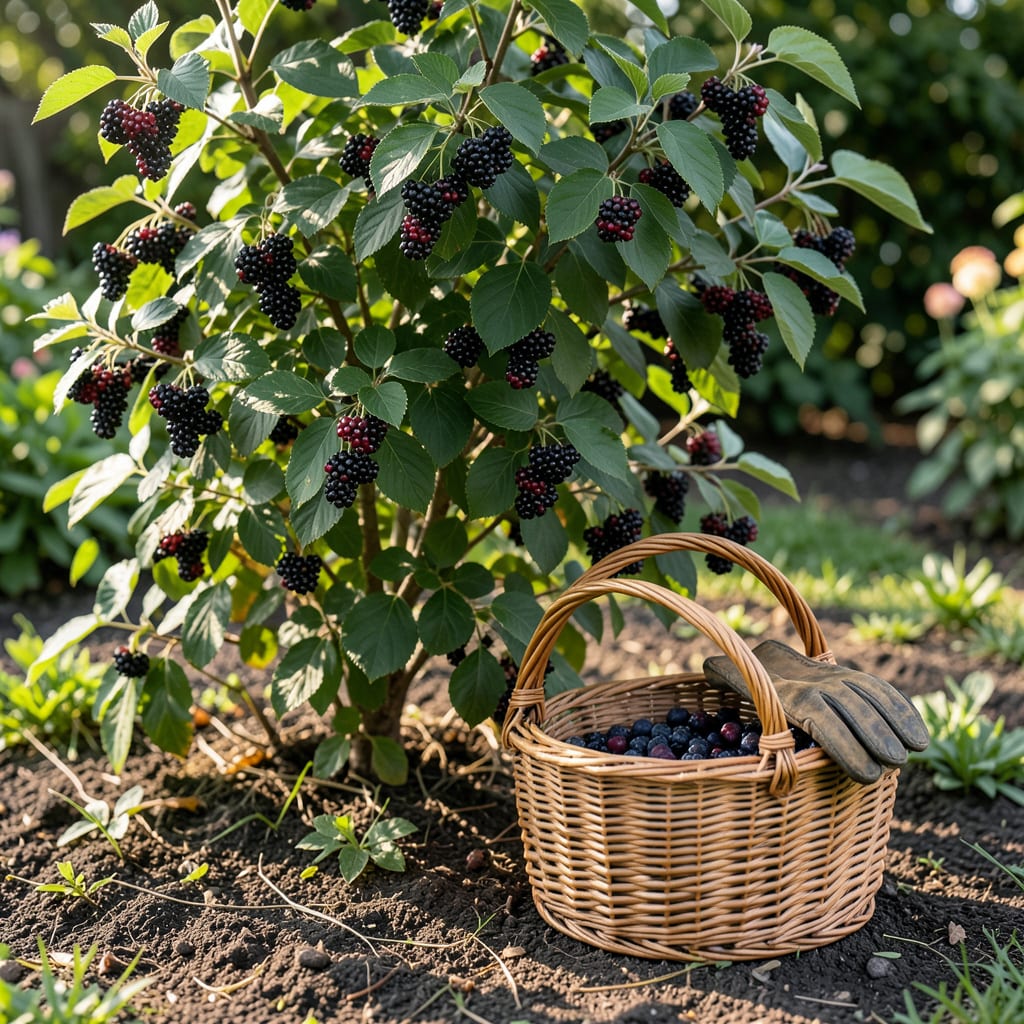
Knowing exactly when to pick Aronia Berry 🫐 can transform your harvest from tart to antioxidant-rich perfection. These cold-hardy shrubs reward patience with their best flavor.
I’ll show you the key signs to watch for, why the first frost matters, and how to time your harvest for maximum sweetness and health benefits.


Timing your Aronia berry harvest perfectly ensures the best flavor and nutritional value. These cold-hardy shrubs typically ripen from late August to October, with the first frost often signaling peak sweetness.
The first light frost is nature’s cue that the berries have developed their maximum antioxidant levels and a better balance of sweetness to tartness.
In warmer climates like Zone 7, you might harvest as early as late August, while cooler Zone 3 areas often see ripe berries in September or October. Always watch the berries, not just the calendar.
The berry color transitions from red to deep purple-black as they ripen. This dark pigmentation indicates high anthocyanin content, which boosts their health benefits.
I recommend checking your shrubs weekly in late summer. Gently press a few berries – they should be slightly soft when fully ripe, not hard like unripe fruit.
Cluster examination is another good method. Ripe aronia berries will detach easily from their stems with a light tug, while unripe ones will resist.
Remember that birds love aronia berries too. If you notice avian interest increasing, it’s often a sign your berries are nearing peak ripeness and it’s time to harvest.
For the sweetest harvest, I suggest waiting until after the first light frost in your area. This cold exposure helps break down some of the berry’s natural tartness.
In regions with mild winters, you might need to rely more on visual and tactile cues rather than frost timing. The berries will still ripen fully, just on a slightly different schedule.
Always harvest on a dry day when berries aren’t wet from dew or rain. This helps prevent mold during storage and makes the picking process more pleasant for you.
Testing Aronia berry ripeness is simple once you know what to look for. The most reliable method is the color check – fully ripe berries turn a deep, rich purple-black that’s unmistakable.
I always start with a visual inspection of the clusters. Green or red berries need more time, while those with mixed colors are nearing ripeness but aren’t ready yet.
The tactile test is my go-to method. Gently squeeze a few berries – they should give slightly under pressure, similar to a ripe blueberry. Hard berries need more time on the shrub.
For the most accurate assessment, I recommend the taste test. Sample a few berries from different clusters. Ripe aronia berries have a complex sweet-tart flavor with no bitter aftertaste.
Another reliable indicator is how easily the berries detach from the cluster. Ripe aronia berries will come away with just a light tug, while unripe ones will resist strongly.
Remember that ripeness can vary even on the same shrub. I always check multiple clusters and focus on those with the most uniform color and texture. 🌿
Avoid harvesting after heavy rains, as the excess moisture can dilute the berries’ flavor and make them more prone to post-harvest spoilage. Always pick on dry, sunny days for best results.
After harvesting your Aronia berries, proper storage is key to maintaining their flavor and nutrients. These berries are packed with antioxidants, but their benefits can diminish without correct handling.
I always recommend processing berries quickly after picking. Their high moisture content means they can spoil within 2-3 days at room temperature, so don’t delay your post-harvest routine.
🌱 Pro Tip:
For long-term storage, spread berries in a single layer on a tray and freeze before transferring to airtight containers. This preserves nutrients for months without clumping.
For short-term storage, keep unwashed berries in the refrigerator in a breathable container. Washing before storage can introduce moisture that speeds up spoilage.
If you plan to dry your aronia berries, use a food dehydrator at 135°F until they’re leathery but not brittle. This method concentrates their natural sugars and preserves their health benefits.
Remember that room temperature is the enemy of freshness. Even a few hours on the counter can reduce the berries’ vitamin C content by up to 20%. Keep them cool until you’re ready to use them.
For the best results, I suggest processing your harvest in small batches. This ensures each berry gets proper attention and maintains its quality. 🌿
Look for deep purple-black color and slightly soft texture. Ripe berries detach easily from clusters with a gentle tug.
First frost boosts sweetness and maximizes antioxidants. Cold exposure helps break down natural tartness for better flavor.
Avoid harvesting when wet. Moisture dilutes flavor and increases spoilage risk. Always pick on dry, sunny days instead.
At room temperature, they spoil in 2-3 days. Refrigerate unwashed berries in breathable containers for up to 1 week.
