
Beautiful Plants For Your Interior
Beautiful Plants For Your Interior
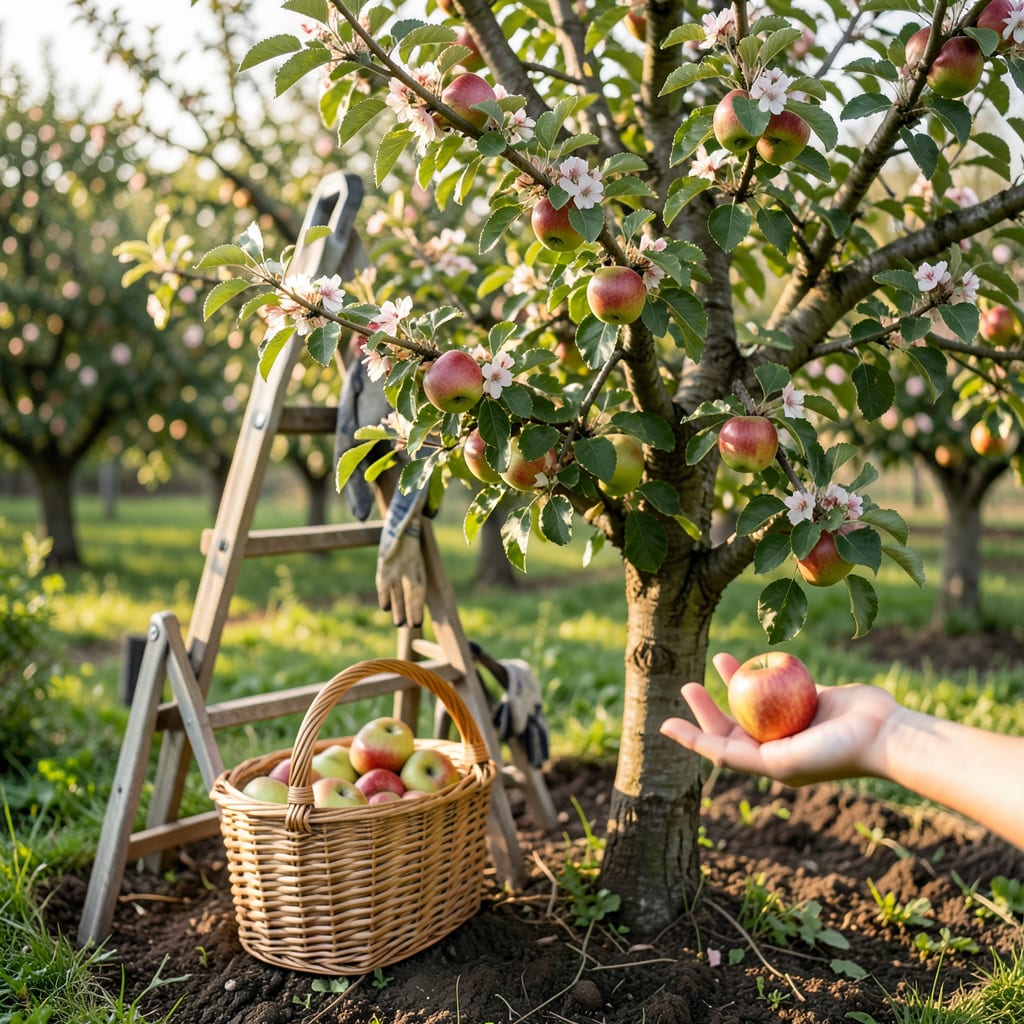
I still remember my first attempt at picking Apple 🍎 too early—what a letdown. The timing makes all the difference between a tart disappointment and that perfect, crisp bite we all crave.
Let me show you how to read the key signs of ripeness and nail your harvest window. With these tips, you’ll never second-guess when to pick again.


Timing your apple harvest perfectly starts with knowing what to look for. I’ve learned that color change is the first visual cue, but it’s not the only one. Different apple varieties have unique hues when ripe, from deep reds to golden yellows.
Another reliable sign is the seed color. When you cut open an apple and see dark brown seeds, it’s usually ready. This works for most types, including Fuji and Gala apples.
| Sign | Description |
|---|---|
| Color Change | Fruit deepens to its variety-specific hue |
| Seed Color | Seeds turn dark brown |
| Ease of Picking | Apples separate easily with a gentle twist |
| Taste Test | Fruit is sweet and crisp |
| Days from Bloom | 90-180 days depending on variety |
The ease of picking test is my go-to method. Lift an apple gently and give it a slight twist. If it comes off the branch cleanly, it’s ready. If it resists, leave it for a few more days.
I always do a taste test from different parts of the tree. Apples on the sunny side often ripen first. If one tastes perfect, the others nearby likely are too.
For timing, count the days from bloom. Most apples need 120-180 days to mature. Early varieties like Gravenstein may be ready in 90 days, while late ones like Granny Smith can take up to 180 days.
Don’t forget the aroma test. Ripe apples often emit a sweet, fragrant scent. If your tree smells like a fruit market, harvest time is near.
Watch for windfalls too. A few apples dropping naturally usually means the rest are ready. But don’t wait too long—overripe apples can become mealy.
Finally, check the stem separation. A ripe apple’s stem will part cleanly from the branch. If it snaps or leaves a ragged edge, the fruit isn’t ready yet.
With these signs, you’ll confidently know when to pick apples off your tree for the best flavor and storage life. ✂️
Timing your apple harvest depends heavily on the variety you’re growing. Early types like Gala or Yellow Transparent often ripen in late summer, while late varieties such as Fuji or Granny Smith may hold on the tree until late fall. I always check my local growing zone first.
Climate plays a huge role too. In warmer zones, apples mature faster, sometimes 2-3 weeks earlier than in cooler areas. For example, a Honeycrisp that’s ready in September in Zone 5 might be harvest-ready in August in Zone 7. Keep an eye on the first frost date—you want to pick before a hard freeze hits.
| header” style=”background-color:#6fd544;color:#fff;padding:12px;text-align:left;border:1px solid #6fd544″>Typical Harvest Window | row”> | cell” style=”padding:12px;border:1px solid #6fd544″>Late August to September | row”> | cell” style=”padding:12px;border:1px solid #6fd544″>Mid October to November | row”> | cell” style=”padding:12px;border:1px solid #6fd544″>October to November | 6-9 |
|---|
I’ve found that local extension offices often provide the most accurate harvest calendars for your specific area. They account for microclimates and recent weather patterns, which can shift ripening dates by a week or more. Don’t rely solely on general guidelines—adjust based on your tree’s behavior and seasonal conditions.
Another trick is to track the days from bloom. Most apple varieties need 120-180 days to mature after flowering. I mark my calendar when my tree blooms in spring and count forward to estimate the harvest window. It’s not foolproof, but it’s a great starting point.
For dwarf varieties, the timeline might be slightly shorter, while heirloom types can take longer. Always combine multiple indicators—color, seed darkening, and ease of separation—to confirm ripeness. When in doubt, pick one and taste it!
Remember that early frosts can damage apples left on the tree too long. If temperatures are dropping below 28°F, it’s time to harvest, even if the fruit isn’t fully ripe. Apples can continue to ripen slightly in storage, but they won’t improve if frozen on the branch.
🌳I’ve seen many gardeners rush their apple harvest and end up with underripe fruit. Picking too early is one of the most common mistakes. Apples won’t ripen further once off the tree, so patience is key.
Another error is waiting too long. Overripe apples become mealy or mushy, and they won’t store well. I always check for windfalls as a sign that the harvest window is closing.
⚠️ Warning: Avoid picking apples with immature seeds or firm textures. These won’t develop proper flavor or sweetness in storage.
Using the wrong picking technique can also damage your tree. Never yank apples off—this can harm the spurs and reduce next year’s harvest. Instead, lift and twist gently.
Ignoring weather conditions is another pitfall. A sudden frost can ruin apples left on the tree. I always monitor the forecast and harvest before temperatures drop below 28°F.
Finally, don’t overlook uneven ripening. Apples on the sunny side of the tree often ripen first. Test fruit from different areas to ensure consistent quality across your harvest.
By avoiding these mistakes, you’ll enjoy crisp, flavorful apples that store well and taste amazing fresh. ✂️
Check the color—it should match the variety’s mature hue. Gently lift an apple and give it a slight twist. If it separates easily, it’s ready. Also, ripe apples often have a sweet aroma.
A light frost won’t harm apples, but a hard freeze below 28°F can damage them. Harvest before temperatures drop that low. Apples won’t ripen further if frozen on the tree.
Apples on the sunny side of the tree often ripen first due to more direct light. Variability in branch exposure and microclimates around the tree can also cause uneven ripening.
Underripe apples will stay hard, tart, and won’t develop proper sweetness. They also won’t ripen further once picked, so patience is key for the best flavor.
