
Beautiful Plants For Your Interior
Beautiful Plants For Your Interior
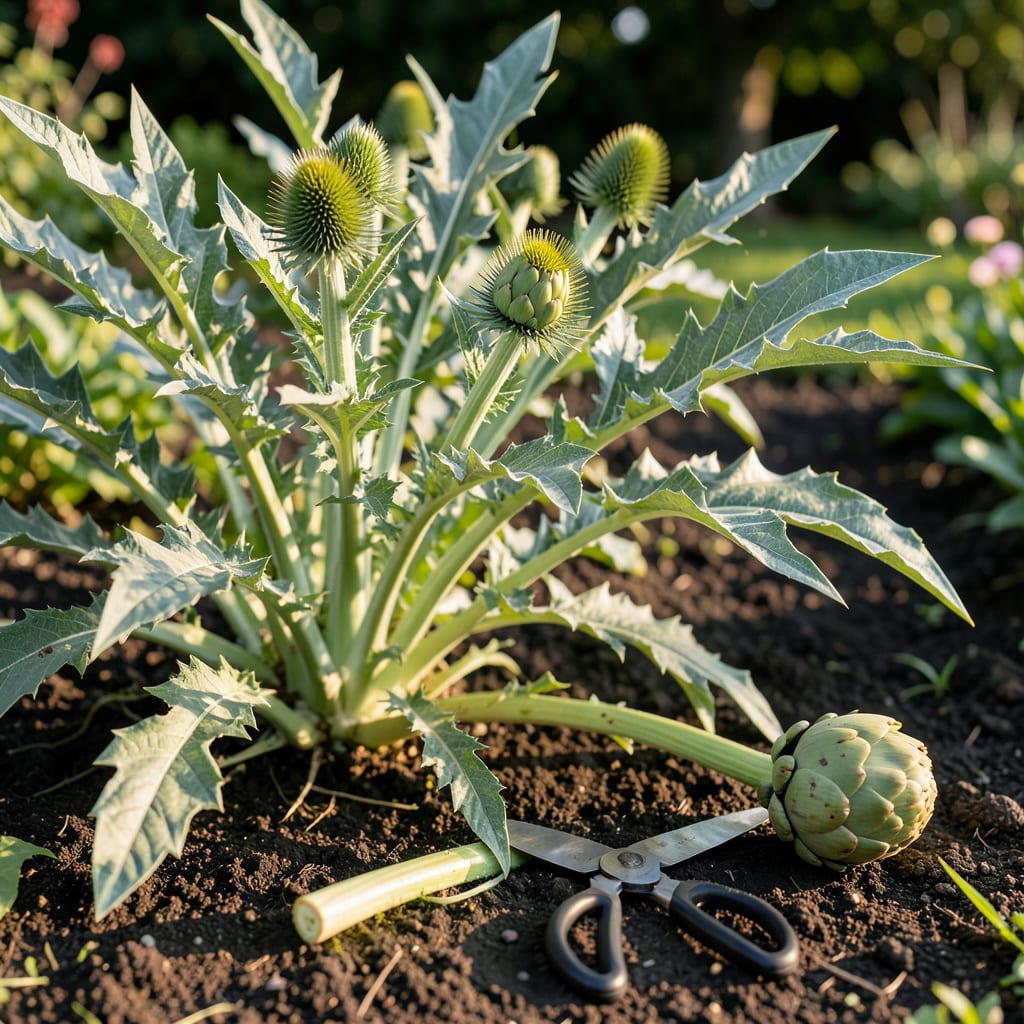
Timing your artichoke harvest can make or break your garden’s success. With the 🌰 Artichoke, a few days can mean the difference between a perfect pick and a missed opportunity.
I’ll show you the key signs to watch for, from bud tightness to ideal seasonal windows, so you never guess when it’s ready. Let’s get it right together.


Harvesting artichokes at the perfect moment ensures the best flavor and texture. I look for tight, compact buds that feel firm to the touch, which indicates they’re at peak ripeness.
The ideal size is typically 3-5 inches in diameter. If the bracts start to spread or loosen, the artichoke is past its prime and may be tough or bitter.
| Sign | What to Look For |
|---|---|
| Bud Size | 3-5 inches in diameter |
| Bract Tightness | Tightly closed and firm |
| Stem Thickness | Thick and sturdy (1/2 inch or more) |
| Color | Deep green or purple hue |
The color of the artichoke is another great indicator. A rich, deep green or vibrant purple means it’s ready, while a dull or pale color suggests it needs more time.
Check the stem thickness too. A mature artichoke will have a thick, sturdy stem at least ½ inch wide, which supports the heavy bud.
I always inspect the top of the bud first. If it feels soft or spongy, it’s overripe. A firm, tight top means it’s perfect for picking.
Early morning is the best time to harvest. The cooler temperatures help preserve the artichoke’s freshness and flavor. I use sharp pruning shears to cut the stem cleanly.
Remember, artichokes can mature at different rates, even on the same plant. I check each bud individually to ensure I don’t miss the optimal window for any of them.
If you see bracts beginning to open, act fast. Once the artichoke starts to bloom, it becomes inedible. I aim to pick mine just before this happens.
Finally, trust your instincts. With experience, you’ll recognize the subtle signs that signal your artichokes are ready. Happy harvesting! 🌿
Timing your artichoke harvest by growth stage ensures you catch it at its peak. I start checking my plants 85-100 days after planting, which is when most varieties reach maturity.
In USDA zones 7-11, artichokes typically reach harvest readiness in late spring or early summer. For fall plantings, expect to pick from September to October.
I always check my artichokes in the early morning when the buds are most firm. The cooler temperatures help maintain their freshness and texture.
For multiple plants, I inspect each one individually. Even on the same plant, buds can mature at different rates, so don’t assume uniformity.
Watch for the first primary bud to mature, which usually appears at the top of the plant. This is often your cue that secondary buds will follow soon after.
In warmer climates, artichokes may mature faster. I adjust my checks accordingly, sometimes starting as early as 75 days after planting in ideal conditions.
Consistent moisture and sunlight help artichokes reach maturity on schedule. I make sure my plants get full sun and regular watering to support steady growth.
Remember, the first harvest is just the beginning. With proper care, artichoke plants can produce multiple harvests throughout the growing season. ☀️
Harvesting artichokes at the wrong time can ruin your hard work. I’ve learned the hard way that waiting too long is the most common mistake, as buds quickly turn tough and bitter.
Another pitfall is picking too small. Artichokes under 3 inches often lack flavor and won’t develop properly. Patience pays off with this crop.
Avoid overripe buds with opening bracts or picking in hot weather which reduces freshness.
Ignoring weather conditions can also lead to disappointment. Harvesting during peak heat can cause artichokes to wilt quickly, losing their tenderness and flavor.
I always check for stem damage before cutting. A weak or thin stem can indicate the bud isn’t fully mature, even if the head looks ready.
Finally, don’t forget to check all buds on the plant. Secondary buds often mature after the primary and can be overlooked if you’re not thorough. 🌿
If the bracts start to spread apart or the top feels soft/spongy, it’s past its prime. A firm, tight bud is perfect for picking.
Early morning is ideal when buds are most firm. Cooler temps help preserve freshness and texture.
Yes! After harvesting the primary bud, secondary buds will often mature later. Check each one individually.
Bitterness usually means they were picked too late. Harvest when buds are 3-5 inches and tightly closed.
