
Beautiful Plants For Your Interior
Beautiful Plants For Your Interior
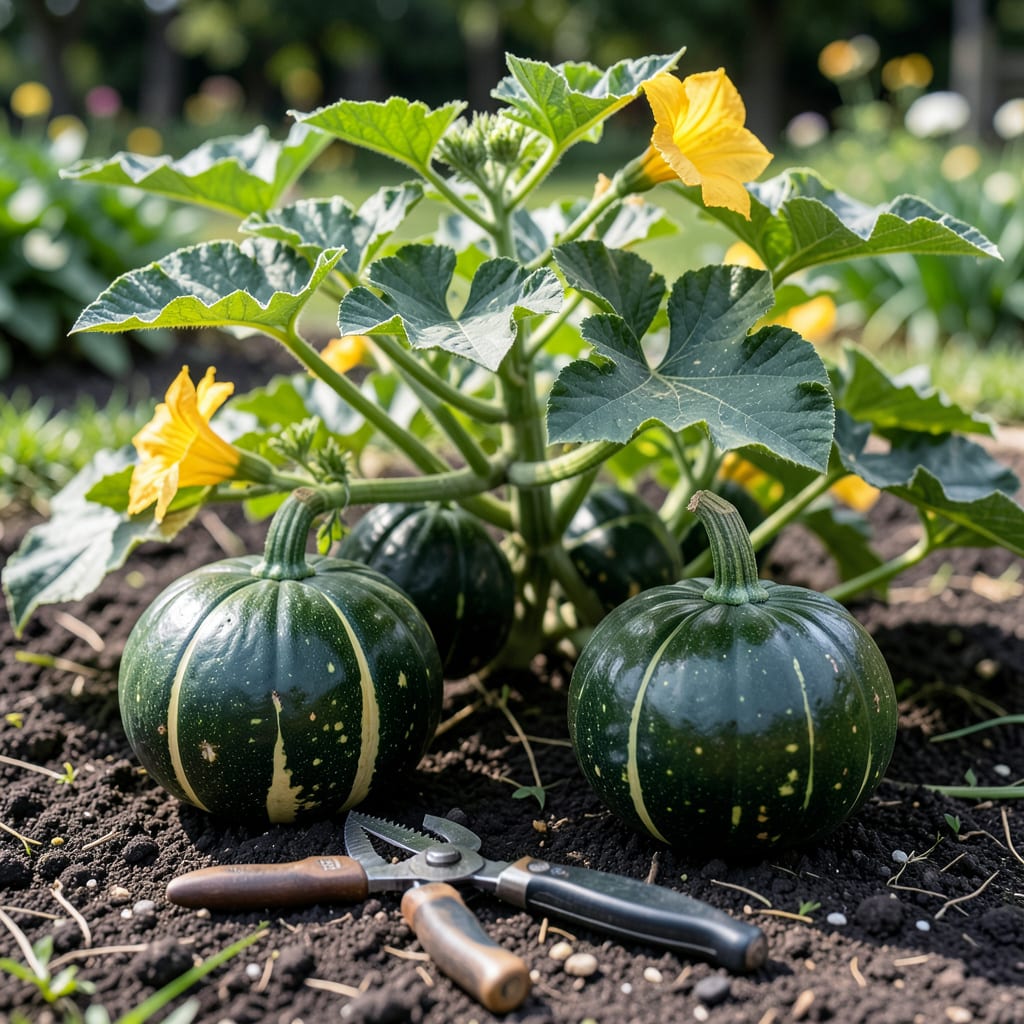
Knowing exactly when to pick Acorn Squash 🎃 off the vine can make or break your harvest. Timing is everything—too early, and they lack sweetness; too late, and they turn mushy.
I’ll show you the key signs to look for, from rind hardness to stem condition, so you can confidently gather your crop at its peak.


Harvesting acorn squash at the right time ensures maximum flavor and storage life. The key is watching for visual and tactile cues that signal maturity.
I always check the rind hardness first—it should resist pressure from my thumbnail. This is the most reliable sign that the squash is ready for picking.
🎃 Acorn Squash Harvest Signs
| Sign | Description |
|---|---|
| Hard Rind | Cannot be punctured with a thumbnail |
| Dry Stem | Brown, woody, and fully detached from vine |
| Deep Color | Uniform dark green or orange hue |
| Dying Vines | Vines begin to wither and yellow |
The stem condition is another critical indicator. A dry, brown stem means the squash has stopped receiving nutrients and is ready to pick.
Color also plays a role. Mature acorn squash develop a deep, consistent hue—either dark green, orange, or white, depending on the variety.
I’ve found that vine dieback often coincides with peak ripeness. When the vines start yellowing and drying, it’s nature’s signal to harvest.
Don’t rely on size alone. While acorn squash typically reach 1-3 pounds at maturity, the other signs are more important for determining readiness.
For best results, harvest in the early morning when temperatures are cool. This helps preserve the squash’s freshness and extends its shelf life.
Always use pruning shears or a sharp knife to cut the stem, leaving 1-2 inches attached to the squash to prevent rot.
After picking, let the squash cure in the sun for 7-10 days to harden the skin further. This step improves storage durability and flavor.
With these tips, you’ll never wonder when to pick acorn squash again—just trust the signs and enjoy your harvest 🌱
Picking acorn squash at the wrong time can ruin your harvest. I’ve seen gardeners lose weeks of growth by acting too early or too late.
One of the biggest errors is harvesting when the rind is still soft. If your thumbnail punctures it easily, the squash isn’t ready and will spoil quickly.
⚠️ Harvesting Too Soon
Picking before the stem dries or rind hardens leads to poor flavor and short storage life. Always wait for the full maturity signs we discussed earlier.
Another mistake is using dull tools that crush the stem. This can introduce bacterial infections and cause premature rotting in storage.
I’ve also seen gardeners wait until the vines are completely dead. While some dieback is normal, waiting too long can result in overripe squash with mushy flesh.
Never pull squash from the vine by hand. This can damage the plant and leave jagged stem ends that invite pests and disease.
Finally, avoid harvesting in wet conditions. Moisture on the squash or vines can spread fungal diseases and reduce shelf life. Always pick on dry, sunny days.
By steering clear of these pitfalls, you’ll ensure a healthy, flavorful harvest every time ✂️
Timing your acorn squash harvest for the cool morning hours ensures the best flavor and longest storage life. I always aim for early morning when temperatures are lowest.
Dry weather is equally important. Harvesting in wet conditions can lead to mold and spoilage, so I wait for a sunny, dry day to pick my squash.
🎃 Optimal Harvest Conditions
Using the right tools makes all the difference. I recommend pruning shears or a sharp knife to avoid crushing the stem, which can lead to premature rotting.
Always leave 1-2 inches of stem attached to the squash. This prevents moisture loss and protects against bacterial infections during storage.
If you’re harvesting multiple squash, space out your picking over a few days to avoid overwhelming your storage. This also gives you time to properly cure each batch in the sun.
With these timing and tool tips, your acorn squash will stay fresh and delicious for months ☀️
Press your thumbnail into the rind. If it resists puncturing, it’s ready. This test works better than color alone for determining maturity.
Yes, a dry, brown stem signals it has stopped growing. Harvest when the stem is fully woody and detached from the vine.
Early harvesting results in bland flavor and poor storage. The squash won’t ripen further off the vine, so always wait for full maturity signs.
Avoid wet conditions. Moisture promotes mold and shortens storage life. Always pick on dry, sunny days for best results.
