
Beautiful Plants For Your Interior
Beautiful Plants For Your Interior
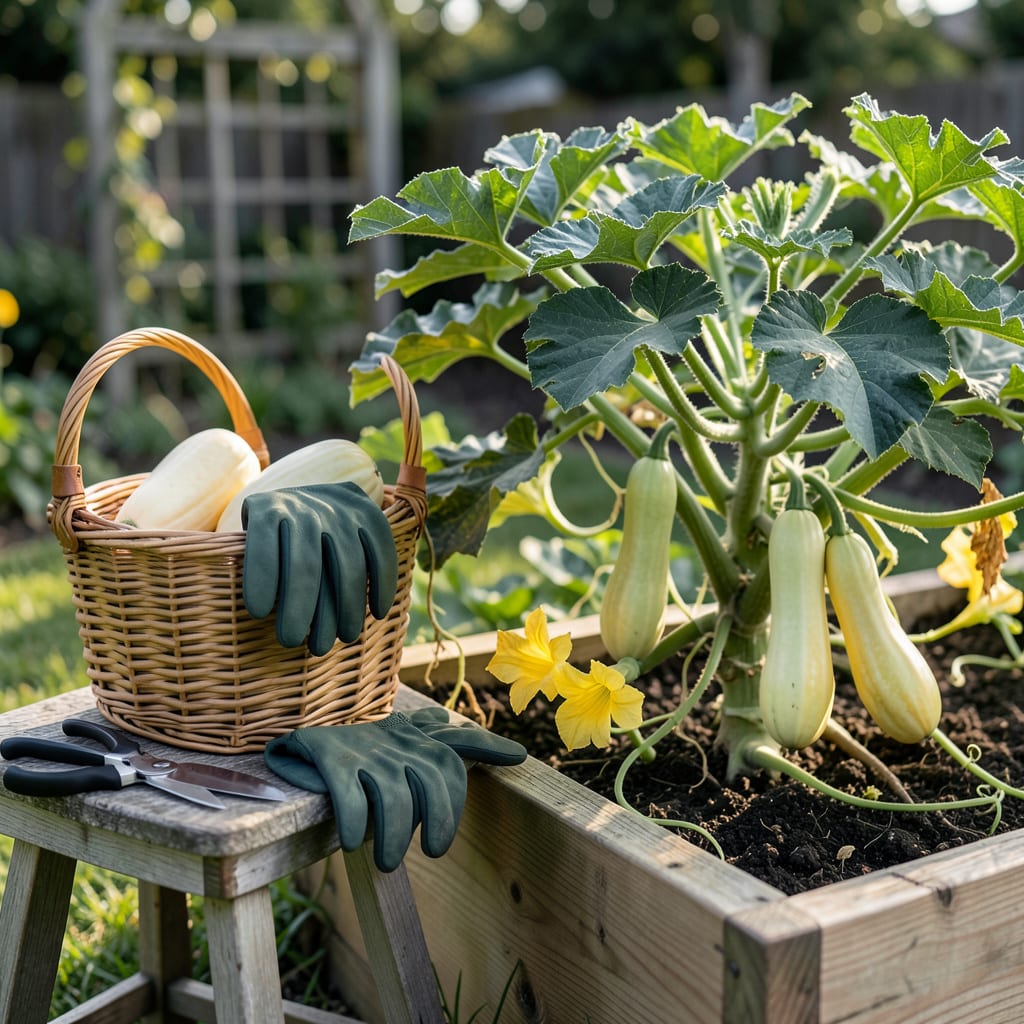
That moment when your 🎃 spaghetti squash is finally ready to pick—only to realize you’re not entirely sure when that is. We’ve all been there, staring at the vine wondering if it’s too soon or too late. The difference between a perfectly ripe harvest and a disappointing one comes down to just a few key signs.
I’ll walk you through exactly what to look for—from color shifts to stem clues—so you can confidently cut that squash at its peak. No more guessing games, just golden, noodle-ready results every time.


Your spaghetti squash won’t send you a calendar invite when it’s ready, but your growing zone and season length hold the clues. Most varieties need 90–100 days from seed to harvest, but cooler climates might stretch that timeline. I’ve seen gardeners in Zone 5 harvest in late September, while Zone 9 folks start picking by August.
If you planted in late spring, mark your calendar for late summer to early fall. An unexpected early frost can ruin squash overnight, so keep an eye on forecasts. Pro tip: If frost threatens, harvest mature squash immediately—even if they’re not fully ripe, they’ll continue curing indoors.
| Growing Zone | Planting Time | Harvest Window |
|---|---|---|
| Zones 3–5 | Late May–June | September–October |
| Zones 6–8 | April–May | August–September |
| Zones 9–11 | March–April | July–August |
*Adjust for microclimates—urban heat islands or coastal fog can shift timelines by 2+ weeks.
Short-season gardeners, take note: Opt for fast-maturing varieties like ‘Orangetti’ (85 days) or ‘Tivoli’ (90 days). In warmer zones, you can sneak in a second planting in mid-summer for a fall harvest. Just ensure squash has 45–50 days before your first frost date.
I always track my days to maturity from the germination date, not planting. If you direct-sowed seeds, count from when sprouts appeared. For transplants, add 10–14 days to account for nursery growth. This small tweak prevents harvesting too early—trust me, I learned this the hard way!
Watch the vine’s health too. As squash ripens, leaves may yellow or wilt. That’s normal! But if the entire plant collapses before harvest, you’ve likely waited too long. Aim to pick when 70–80% of leaves are still green but squash shows ripe signs.
Still unsure? Perform the thumbnail test: Press your nail into the rind. If it doesn’t puncture easily, it’s ready. Pair this with the hollow sound when tapped, and you’ve got a foolproof system. Now grab those pruners—your squash is waiting!
Timing your spaghetti squash harvest isn’t just about patience—it’s about texture and flavor. Pick too soon, and you’ll end up with watery, bland strands that fall apart when cooked. Wait too long, and the flesh turns stringy or mushy, losing that perfect al dente bite.
I’ve tested this firsthand: An underripe squash lacks sweetness and has a grainy texture, while an overripe one develops tough, fibrous strands. The good news? Even if you mistime it, there are ways to salvage your harvest—more on that below.
*Tip: If unsure, leave it longer—squash ripens off the vine but won’t sweeten further.
If you’ve already picked an underripe squash, try curing it indoors. Place it in a warm, dry spot (like a sunny windowsill) for 5–7 days. This won’t fully ripen it but can improve texture. For overripe squash, scoop out seeds and roast immediately—heat softens tough strands.
Here’s my foolproof test for borderline squash: Press your fingernail into the rind. If it leaves a shallow mark, wait 3–5 more days. If the mark doesn’t appear, harvest now. And always check the stem—if it’s still green and pliable, the squash needs more time.
Remember, one frost can ruin your entire crop. If temperatures dip below 32°F, harvest all mature squash immediately, even if they’re not fully ripe. They’ll continue curing indoors, and you’ll still get edible (if not perfect) strands. Better safe than sorry!
Ideal size is 8–10 inches long and 4–5 pounds. If it’s under 6 inches, it needs more time. Smaller squash often means underdeveloped seeds and watery flesh—wait until it fills out fully.
Yes, but it’s better than picking early! Overripe squash develops tough, stringy strands and may rot on the vine. Check daily once it reaches full color—harvest within 3–5 days of peak ripeness for best texture.
Harvest immediately if temps drop below 32°F. Even partially ripe squash can cure indoors in a warm, dry spot for 1–2 weeks. Frost damages the rind permanently, so don’t risk it!
A dry, brown stem signals readiness, while green means it’s still growing. If the stem snaps easily when bent, it’s time. Never cut too close—leave 2–3 inches to prevent rot during storage.
Properly cured and stored in a cool, dry place (like a basement), it lasts 2–3 months. Avoid refrigeration—cold temps turn starches to sugar too quickly, ruining the texture.
