
Beautiful Plants For Your Interior
Beautiful Plants For Your Interior
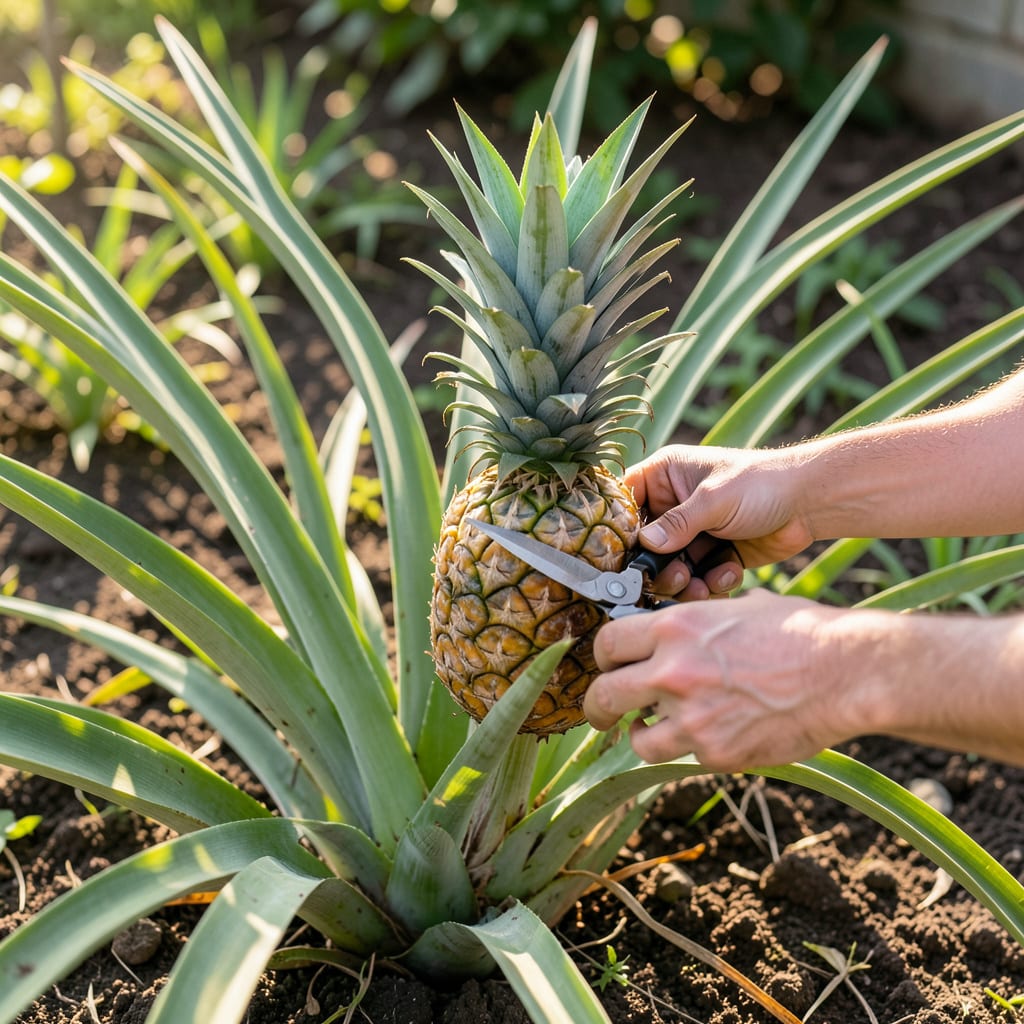
That moment when your 🍍 Pineapple is perfectly ripe is what every grower awaits. But how do you know it’s ready?
Missing the right window can leave you with a fruit that’s either too tart or overripe. Discover the subtle signs that signal your Pineapple is at its peak for picking.


I’ve found that the eye color change is the most reliable sign your pineapple is ready. Those small, hexagon-shaped segments on the fruit’s surface start green and gradually shift to golden yellow as ripeness approaches.
This transformation typically begins at the base of the fruit and moves upward. When about 50-70% of the eyes have turned yellow, your pineapple is nearing its peak. Don’t rush it—patience ensures the best flavor 🌱
| Ripeness Stage | Eye Color | Action |
|---|---|---|
| Early | All green | Wait 2-4 weeks |
| Mid-stage | 50% yellow | Check daily |
| Peak | 70-100% golden | Harvest now |
The eye color method works because pineapples don’t ripen further after picking. Unlike some fruits, they won’t continue to sweeten once harvested. That’s why timing is everything.
I recommend checking your pineapple every 2-3 days once you notice the first yellowing. The color shift can happen quickly, especially in warm weather. Keep a garden journal to track the changes.
Another pro tip: the base of the fruit often changes color first. If you see yellow there but green at the top, give it a few more days. The entire fruit doesn’t need to be golden—just mostly yellow.
Remember that pineapple plants take 18-24 months to produce fruit. When you’ve waited that long, you’ll want to be sure. The eye color change is nature’s way of giving you a clear signal.
If you’re growing multiple pineapples, you might notice they don’t all ripen at once. That’s normal! Each fruit develops at its own pace, even on the same plant. Check each one individually.
For the best results, harvest in the morning when temperatures are cooler. This helps preserve the fruit’s freshness and flavor. Use a sharp knife to cut the fruit from the plant, leaving about 2-3 inches of stem.
After harvesting, let your pineapple sit at room temperature for a day before refrigerating. This allows any residual ripening to complete. Store it whole until you’re ready to enjoy your homegrown reward 🌿
While the eye color change is my go-to method, there are other reliability indicators to confirm your pineapple is ready. A sweet smell at the base is a classic sign of ripeness.
Gently squeeze the fruit—it should give slightly when pressed, like a ripe avocado. The leaves at the top may also start to wilt a bit as the fruit matures.
Avoid picking too early—the fruit won’t ripen further once harvested. On the flip side, waiting too long can lead to overripeness and fermented flavors. I’ve learned this the hard way!
The tapping test is another trick I use. A ripe pineapple will produce a dull thud when tapped, while an unripe one sounds hollow. This takes a bit of practice to perfect.
Remember that pineapples don’t ripen after picking, unlike bananas or avocados. Once it’s off the plant, the sugar content won’t increase. That’s why these signs are so important.
If you’re unsure, check the fruit daily once you notice the first signs. The ripening process can accelerate, especially in warm climates. Trust your senses—they’re your best tools 🌿
Once you’ve harvested your pineapple, proper handling ensures maximum sweetness. Unlike some fruits, pineapples won’t continue ripening off the plant, so post-harvest care is crucial.
Let the fruit sit at room temperature for 1-2 days to allow any residual sugars to distribute evenly. Avoid refrigerating immediately, as cold stops the ripening process.
🌱 Pro Tip:
Store your pineapple upside down for a day after picking. This helps redistribute sugars from the base to the top, ensuring even sweetness throughout.
After the short resting period, move it to the refrigerator to preserve freshness. A whole, uncut pineapple can last 3-5 days in the fridge. For longer storage, consider freezing the fruit in chunks.
To check for overripeness, look for soft spots or a fermented smell. If you notice these, use the fruit immediately. A perfectly ripe pineapple should have a firm texture with slight give.
Remember, the crown leaves can continue growing even after harvest. If you’d like to propagate a new plant, simply twist off the leafy top and root it in water or soil 🌿
Pineapples typically take 18-24 months from planting to harvest. The ripening process is slow, so patience is key once the fruit appears
Pineapples won’t ripen further after picking. If harvested green, it’ll stay tart and starchy. Always wait for 50-70% yellow eyes before harvesting
No, you can’t rush a pineapple on the plant. However, warm weather may accelerate color change. Check daily once yellowing begins
Look for soft spots, fermented smell, or leaves that are completely wilted. Harvest at first signs of overripeness to prevent waste
