
Beautiful Plants For Your Interior
Beautiful Plants For Your Interior
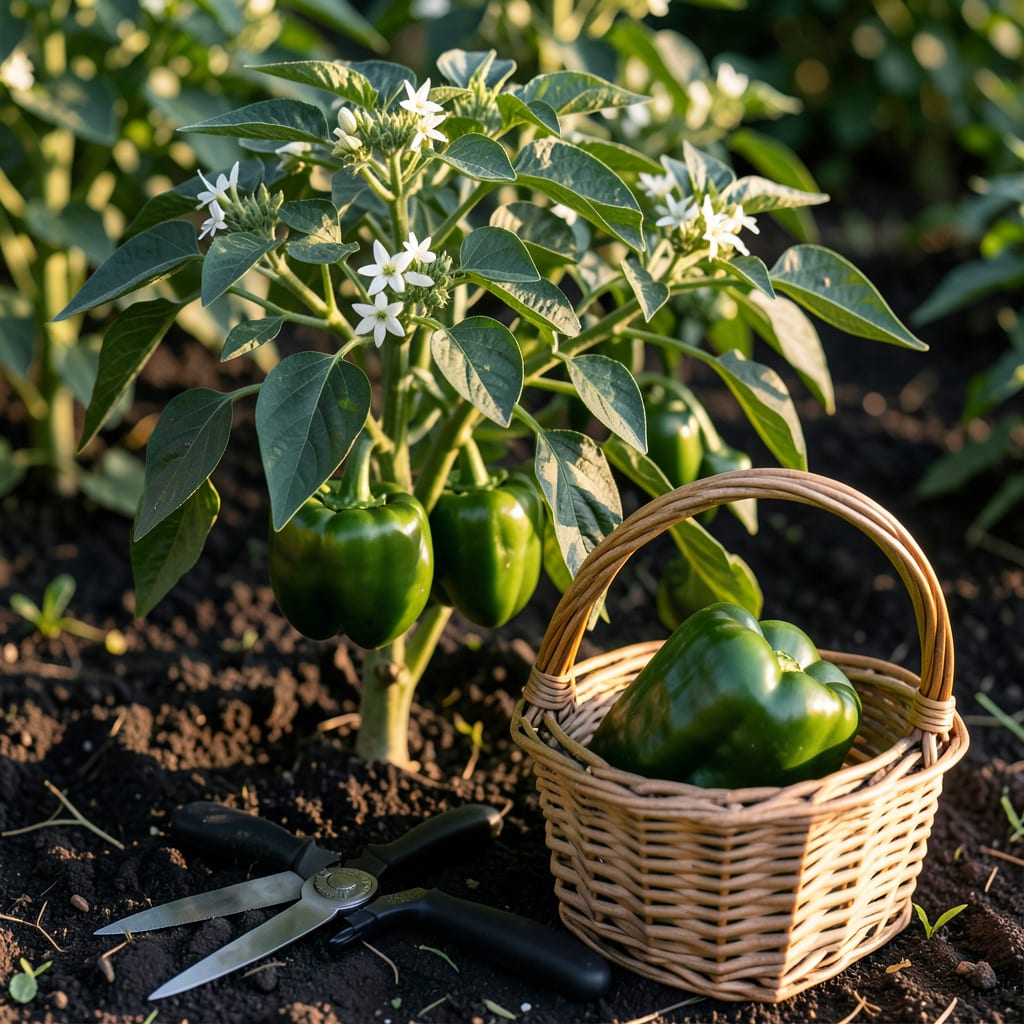
Ever stood in your garden wondering if your 🌶️ Green Bell Pepper is ready to pick? Timing is everything when it comes to harvest.
I’ll show you the visual cues and seasonal signs to look for. With these tips, you’ll never second-guess your pepper’s ripeness again.


I’ve learned that timing is everything when harvesting green bell peppers. Picking at the right stage ensures the best flavor and texture. The most reliable sign is size—mature peppers typically reach 3-4 inches long and about 2-3 inches wide. 🌱
Color is another key indicator. A ready-to-pick green bell pepper will have a deep, uniform green hue with a glossy finish. If the pepper looks dull or pale, it’s likely not ready. Firmness matters too—gently squeeze the pepper; it should feel solid and heavy for its size. 🌿
| Sign | Description |
|---|---|
| Size | 3-4 inches long, 2-3 inches wide |
| Color | Deep, uniform green with glossy skin |
| Firmness | Solid and heavy when gently squeezed |
| Stem | Green and healthy, not brittle or dry |
Days to maturity also play a role. Most green bell pepper varieties take 60-90 days from transplanting to reach harvest readiness. If you started from seeds, add about 8-10 weeks to that timeline. Keep an eye on your planting date to estimate when to start checking for ripeness. ✂️
Another visual cue is the pepper’s skin thickness. Immature peppers have thinner walls, while ripe ones develop a thicker, meatier texture. If you slice one open and the walls seem thin, leave the rest on the plant a little longer.
The stem offers clues as well. A ripe pepper will have a fresh, green stem that’s firmly attached. If the stem looks shriveled or brown, the pepper may be overripe. I always check the stem’s condition before making the final decision to pick.
Weather can impact ripening too. In cooler climates, peppers may take longer to mature. If temperatures drop below 50°F (10°C), growth slows significantly. In hot weather, peppers might ripen faster but can also suffer from sunscald if exposed to intense afternoon sun.
Don’t rely on color alone. Some green bell peppers may develop a slight yellow or red tint as they mature, especially if left on the plant too long. However, for classic green peppers, that deep green color is what you’re aiming for.
If you’re still unsure, try the taste test. Pick one pepper and sample it. A ripe green bell pepper should have a mild, slightly sweet flavor with a crisp texture. If it tastes bitter or overly grassy, the others may need more time.
Finally, consider your plant’s overall health. A well-cared-for pepper plant with consistent watering and proper fertilization will produce peppers that reach maturity more uniformly. If your plant looks stressed, address those issues first to ensure a good harvest. 💧
I’ve seen many gardeners make avoidable errors when harvesting green bell peppers. The biggest mistake is picking too early, which leaves you with small, underdeveloped peppers lacking full flavor. Patience is key—wait for the 3-4 inch size and deep green color. 🌱
Another common error is using the wrong tools. Pulling peppers by hand can damage the plant or leave behind broken stems. Always use clean, sharp pruners or scissors to make a clean cut without harming the plant. 🌿
⚠️ Avoid These Harvesting Errors
Picking too early results in small, flavorless peppers.
Using dull tools can crush stems and invite disease.
Harvesting in wet conditions spreads plant diseases.
Timing matters too. Harvesting during rainy or humid weather increases the risk of spreading diseases. Aim for a dry, sunny morning to pick peppers when both you and the plant are in optimal conditions. ✂️
Some gardeners forget to check the stem condition. A brittle or discolored stem often signals the pepper is overripe. I always inspect the stem—if it’s dry or cracked, the pepper may have passed its prime.
Overlooking the plant’s overall health is another misstep. Stressed plants produce inconsistent peppers. Ensure your plant has proper watering and nutrient balance for the best harvest results.
Finally, avoid harvesting all peppers at once. Stagger your picking to encourage continued production. This way, your plant keeps producing new peppers throughout the growing season. 💧
Harvesting green bell peppers the right way keeps your plant healthy and productive. I always use clean, sharp pruners or scissors to avoid tearing the plant. This ensures a clean cut and reduces stress on the stem. 🌱
Cut the pepper stem about 1/2 inch above the fruit. This leaves enough stem to prevent damage to the plant while removing the pepper cleanly. Never pull peppers by hand, as this can break branches or harm the plant. 🌿
📌 Harvesting Steps
Always support the plant with your free hand while cutting. This prevents the plant from toppling over or getting damaged during harvest. I find this especially helpful for taller pepper plants that might be top-heavy with fruit. ✂️
Timing your harvest for dry, sunny mornings is ideal. Wet conditions can spread diseases, while morning harvesting ensures peppers are at their peak freshness. This also gives the plant time to recover during the day.
After harvesting, inspect the plant for any signs of stress or disease. Healthy plants will continue producing more peppers if properly cared for. I always remove any damaged leaves or stems to keep my plants thriving. 💧
Wait until they reach 3-4 inches long and 2-3 inches wide. Peppers smaller than this usually lack full flavor and thickness.
It’s not ideal. Small peppers (under 2 inches) often have thin walls and a bitter taste. Patience pays off with better texture and flavor.
A brittle or brown stem is a red flag. Also watch for dull color or soft spots. Overripe peppers may develop a bitter taste.
Dry, sunny mornings are ideal. This prevents disease spread and ensures peak freshness. Avoid harvesting in rain or high humidity.
