
Beautiful Plants For Your Interior
Beautiful Plants For Your Interior
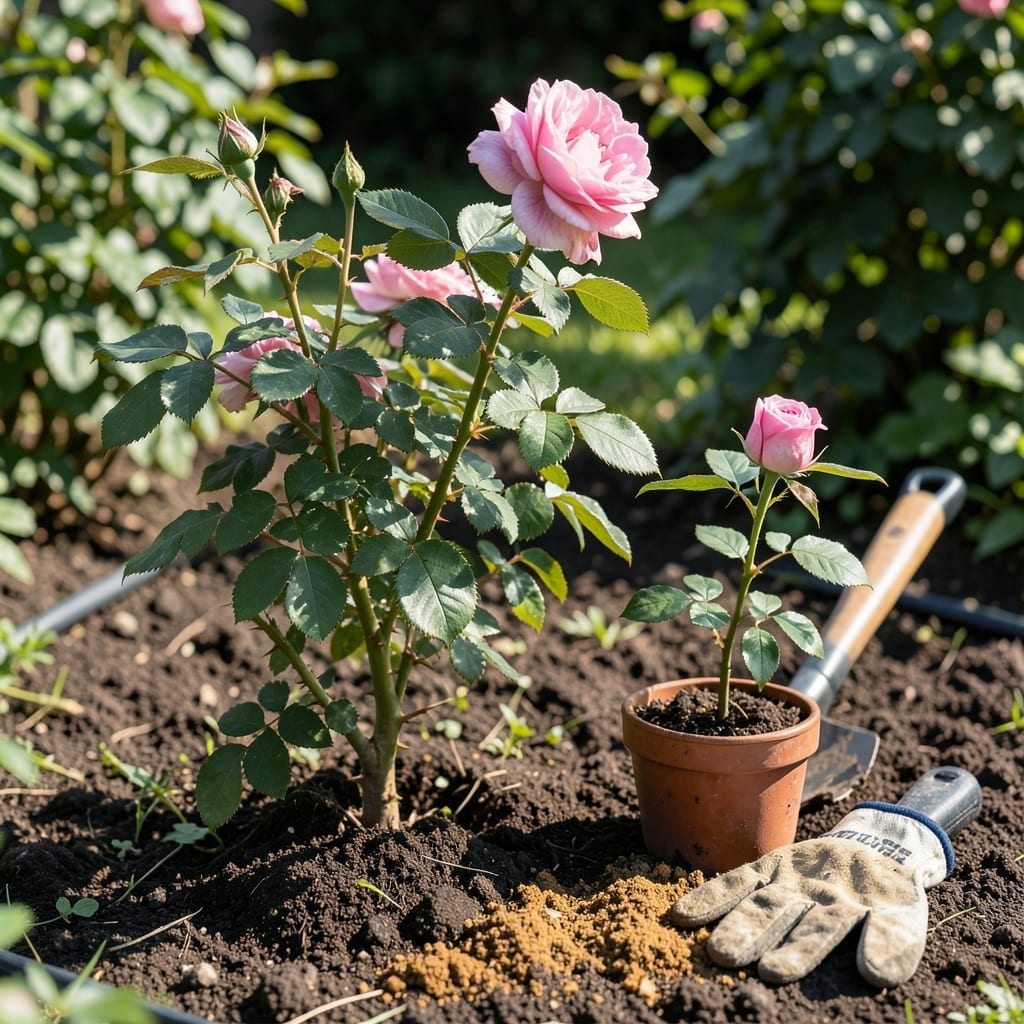
Moving your 🌹 Rose at the wrong time can leave it struggling to survive. I learned this the hard way after watching my favorite bush wilt from summer heat stress.
The most important factor is timing it right. Early spring or fall, when the plant is dormant, gives your Rose the best chance to thrive in its new spot.
Let me show you exactly when to make the move and how to ensure your Rose doesn’t just survive the transplant but comes back stronger than ever.
I’ve found that early spring and late fall are the best times to move roses. These seasons allow the plant to establish itself while avoiding extreme heat or cold.
The ideal months are typically March, April, September, October, or November. During these times, the rose is dormant, which reduces transplant shock significantly.
| Season | Best Time | Why It Works |
|---|---|---|
| Early Spring | March-April | Cool temps, dormant phase, new growth begins |
| Late Fall | Sept-Nov | Dormancy prep, mild weather, root establishment |
| Avoid Summer | June-August | Heat stress, high water demand, poor survival |
In cold climates, I recommend transplanting 4-6 weeks before the last frost in spring. This gives the roots time to settle before the growing season kicks in.
For warm climates, fall transplanting often works better. The soil stays warm, encouraging root growth before winter arrives.
I always check the soil temperature—it should be above 40°F for best results. This ensures the roots can actively grow and recover.
If you must move roses in summer, I suggest doing it on a cloudy day and keeping the root ball intact. Even then, expect more stress on the plant.
Another tip: prune the canes back by about one-third before moving. This reduces water loss and helps the plant focus on root recovery.
After transplanting, I
Finally, avoid transplanting during freezing conditions or when the ground is waterlogged. Both scenarios can lead to poor root establishment and plant decline.
By following these timing guidelines, your roses will have the best chance to thrive in their new location with minimal stress 🌹
I always start by preparing the new hole before digging up the rose. This ensures the plant spends minimal time out of the ground, reducing transplant shock significantly.
The hole should be twice as wide as the root ball and just as deep. I mix in compost or well-rotted manure to give the roots a nutrient boost from the start.
When digging up the rose, I use a sharp spade to cut a 2-foot circle around the plant. The wider the root ball, the less stress on the rose.
It’s crucial to keep the root ball moist during the move. I wrap it in burlap if I need to transport it any distance.
After replanting, I water deeply and add a 2-3 inch layer of organic mulch. This helps maintain soil moisture and temperature.
For the first 2-3 weeks, I water every 2-3 days unless rain provides enough moisture. This frequent watering helps establish the roots.
Finally, I avoid fertilizing for 4-6 weeks after moving. The plant needs time to recover before encouraging new growth 🌹