
Beautiful Plants For Your Interior
Beautiful Plants For Your Interior
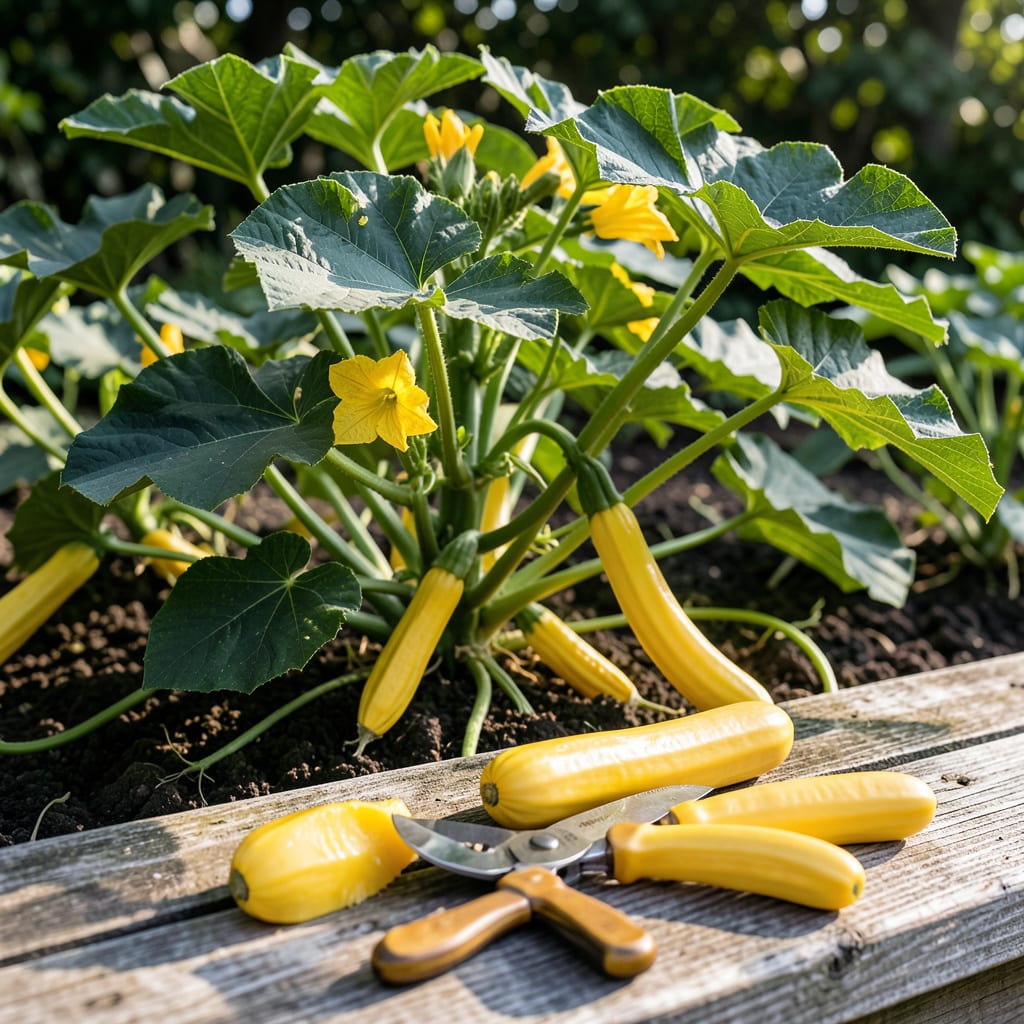
I’ve seen too many gardeners miss the perfect 4-6 inch window for their Yellow Summer Squash 🥒. That ideal moment when the skin is tender and the flavor is at its peak.
Let me show you exactly how to spot the subtle signs that mean it’s time to pick. We’ll turn those almost-ready squashes into the star of your summer meals.


I always check my yellow summer squash plants daily once they start producing. This fast grower can go from perfect to overgrown in just 2-3 days during peak season. The key is catching it at that sweet spot.
You’ll want to look for multiple visual cues rather than relying on just one. The combination of size, color, and texture tells you when it’s truly ready for picking.
| Harvest Sign | What to Look For |
|---|---|
| Size | 4-6 inches long and 1-2 inches wide |
| Skin Texture | Tender and glossy, punctures easily with fingernail |
| Color | Bright yellow all over with no green patches |
| Stem Condition | Soft and green, not woody or brown |
The size is your first clue. Most varieties are ready at 4-6 inches, but check your seed packet as some may vary slightly. I’ve found that straightneck varieties often size up a bit faster than crooknecks.
Next, examine the skin’s texture. A ready squash will have skin that’s smooth and shiny. The real test is pressing your fingernail into it – if it leaves a mark easily, it’s perfect.
Color matters more than you might think. The fruit should be a uniform bright yellow from stem to blossom end. Any remaining green means it needs more time on the vine.
The stem tells a story too. When the stem starts to look dry or woody, you’ve waited too long. At peak ripeness, it should still be soft and pliable, almost succulent looking.
I make it a habit to harvest in the morning when the plants are full of water. This makes the squash extra crisp and the stems easier to cut. Plus, it gives the plant the rest of the day to recover.
Remember that frequent harvesting actually encourages more production. I’ve had plants produce up to 10 squashes in a season just by picking them at the right time and keeping the plant productive.
If you’re unsure, it’s always better to harvest a little early rather than too late. These squashes continue to grow quickly, and an extra day can make them tough and seedy 🌱
I’ve learned the hard way that missing the 4-6 inch window for yellow summer squash can turn your harvest into a disappointment. These plants grow so quickly that what looks perfect today might be oversized tomorrow.
When left on the vine too long, the squash becomes tough and fibrous. The skin hardens, the seeds grow large and woody, and the flavor turns bitter. I’ve had to compost more than a few that I let go just 2 days past prime.
⚠️ Warning: Overripe yellow summer squash can stunt plant production by diverting energy to oversized fruit. The plant may stop producing new squashes altogether.
The most obvious sign is size beyond 8 inches. At this point, the squash has typically developed a hard rind and large, mature seeds. Even the stem becomes woody and difficult to cut.
Another issue is seed development. As the squash matures, the seeds inside grow larger and harder. This not only affects texture but can also make the flesh less flavorful and more watery.
Your plant will thank you for regular harvesting. I make it a point to check my plants every morning during peak season. This prevents any squash from reaching that overgrown stage and keeps the plant productive.
If you do end up with an oversized squash, don’t despair. While it won’t be as tender, you can still compost it or leave it on the vine for seed saving. Just don’t let it discourage you from checking more frequently next time 🌱
I always use the right tools for harvesting my yellow summer squash to avoid damaging the plant. A sharp pair of pruners or a clean garden knife works best for clean cuts.
The key is making a clean cut about 1 inch from the squash to prevent harming the vine. I never pull or twist the fruit, as this can damage the plant and reduce future yields.
Timing your harvest is just as important as the tool you use. I always harvest in the early morning when the squash is most hydrated and the stems are easier to cut through cleanly.
Regular harvesting keeps the plant productive. I make it a habit to check my plants daily during peak season, as squashes can grow rapidly and become overripe in just a couple of days.
Check plants daily during peak season as they can grow 2-3 inches in a day. Morning checks are ideal when squash is most hydrated.
Yes, smaller squash is perfectly edible and often more tender. Just ensure the skin is glossy and stem is soft.
Hard skin means it’s overripe. The squash will be tough and seedy. Harvest earlier next time.
Yes, look for uniform bright yellow with no green patches. Any green means it needs more time.
