
Beautiful Plants For Your Interior
Beautiful Plants For Your Interior
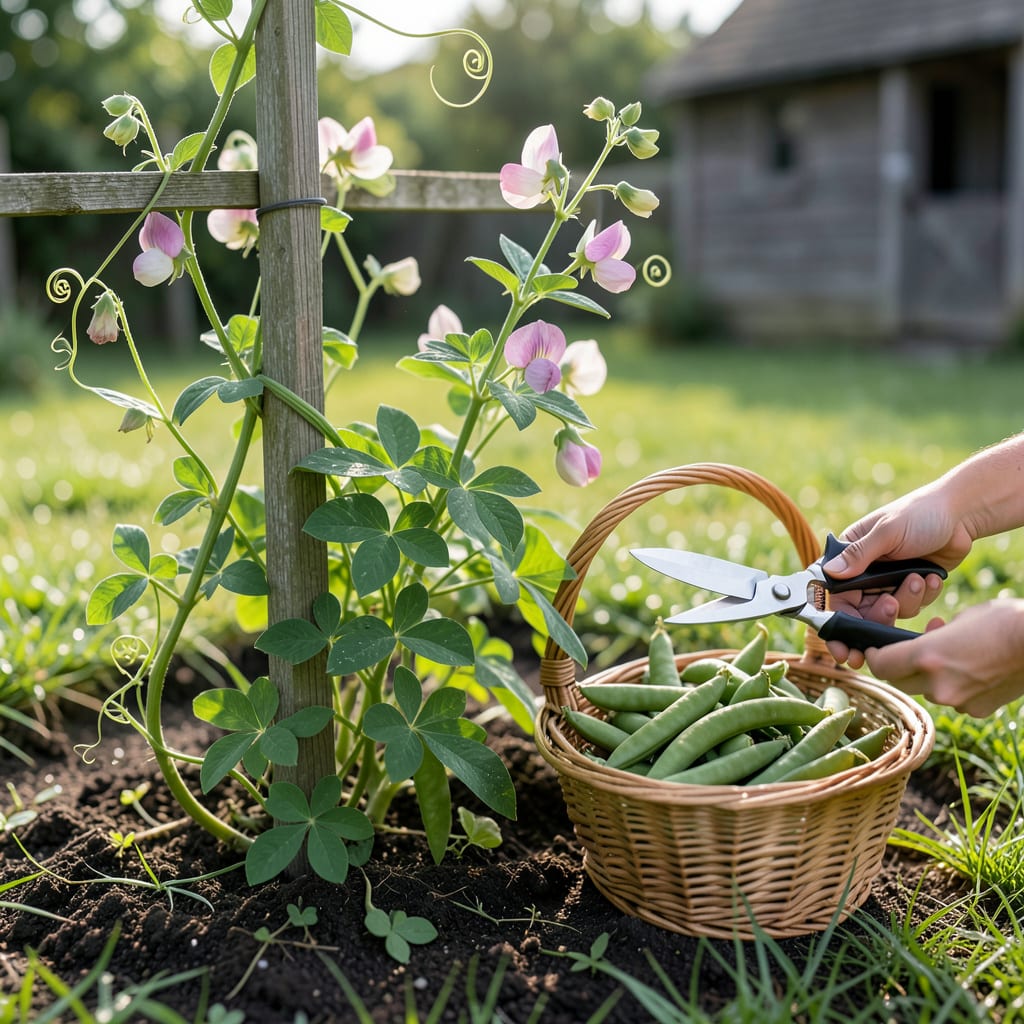
Nothing beats the satisfaction of picking Sweet Pea 🌸 at just the right moment. Those tender pods transform from hidden gems to ready-to-harvest treasures in what feels like overnight.
I’ll show you how to spot the perfect timing—when colors shift and pods swell—so you never miss that ideal window. Let’s make your harvest the most rewarding yet.


Timing your sweet pea harvest perfectly ensures the best flavor and texture. I watch for pod swelling as the first major clue—those plump bumps mean the peas inside are developing nicely.
The color shift from bright green to paler tones is another dead giveaway. When the pods start looking more translucent, it’s a sign they’re nearing peak ripeness.
| Sign | Description |
|---|---|
| Pod Swelling | Peas visible through the skin |
| Color Change | Shifts from bright to pale green |
| Texture | Smooth, firm, and crisp |
| Seed Visibility | Seeds appear as bumps |
Don’t wait until the pods turn yellow or the peas inside get starchy. At that point, they’ve passed their prime for fresh eating. Catching them just as the seeds start to fill out gives the sweetest flavor.
I also check the stem condition. A firm, green stem means the pod is still actively growing. If it starts to turn brown or woody, you’ve likely missed the window for peak tenderness.
The size of the pod matters too. For most varieties, 2-3 inches long is ideal. Smaller pods may not have developed enough, while larger ones can be tough and fibrous.
If you’re growing sugar snap peas, the pods should be fully elongated but still flat. For shelling types, wait until the peas inside are clearly defined but not bulging excessively.
I’ve found that morning harvesting gives the best results. The pods are crisp from the cool night air, and the plants are less stressed from heat.
Remember, regular harvesting encourages more production. The more you pick, the more the plant will produce, extending your harvest season significantly.
Finally, trust your sense of touch. Gently squeeze the pod—if it feels plump and the peas inside are just starting to press against the skin, it’s time to pick.
With these visual and tactile cues, you’ll never second-guess your timing again. Happy harvesting!
Harvesting sweet peas properly keeps your plants healthy and productive. I always use two hands—one to hold the vine and one to pick—to prevent tearing the delicate stems.
Gently grasp the pod base and snap it upward with your thumbnail. This method is cleaner than pulling and reduces stress on the plant. Always pick at the stem’s connection point for best results.
For sugar snap varieties, I check that the pods are fully elongated but still flat. For shelling types, the peas should be visible but not bulging. This ensures peak tenderness every time.
Avoid using dull tools as they can crush stems and invite disease. If you must use pruners, sterilize them with rubbing alcohol between plants to prevent the spread of pathogens.
I’ve noticed that regular harvesting signals the plant to produce more. If you leave mature pods on the vine too long, the plant may stop flowering, thinking its job is done.
Finally, handle the vines with care. Sweet pea plants are climbers with tender tendrils. Rough handling can break these structures, reducing the plant’s ability to support itself and future pods. ☀️
Even experienced gardeners can make harvesting mistakes with sweet peas. I’ve seen overripe pods left on vines, which stops new growth and reduces overall yield.
Another common error is picking too early. Those tiny pods may look ready, but they often lack the full sweetness and texture that comes with maturity.
Using dull scissors or pruners can damage the plant and invite disease. Always keep your tools sharp and clean to make precise, healthy cuts.
I’ve learned that harvesting at the wrong time of day affects quality. Picking during midday heat can stress plants and make pods limp.
Finally, neglecting regular harvesting signals the plant to stop producing. Consistent picking keeps your sweet peas thriving and your harvest abundant. ✂️
Inspect plants every 2-3 days once pods start forming. Sweet peas mature quickly, and daily checks prevent missing the ideal window. Morning is best for crisp pods and minimal plant stress.
Overripe pods turn starchy and tough, losing their sweet flavor. The plant may stop producing new flowers, thinking seed development is complete. Always harvest before pods turn yellow.
It’s possible, but morning harvesting yields the crispest pods. Afternoon heat can make plants limp and reduce quality. If you must pick later, do so on cooler, overcast days.
Pick selectively, focusing on mature pods first. This encourages continuous production and prevents the plant from diverting energy to overripe seeds. Always use two hands to avoid damaging vines.
