
Beautiful Plants For Your Interior
Beautiful Plants For Your Interior
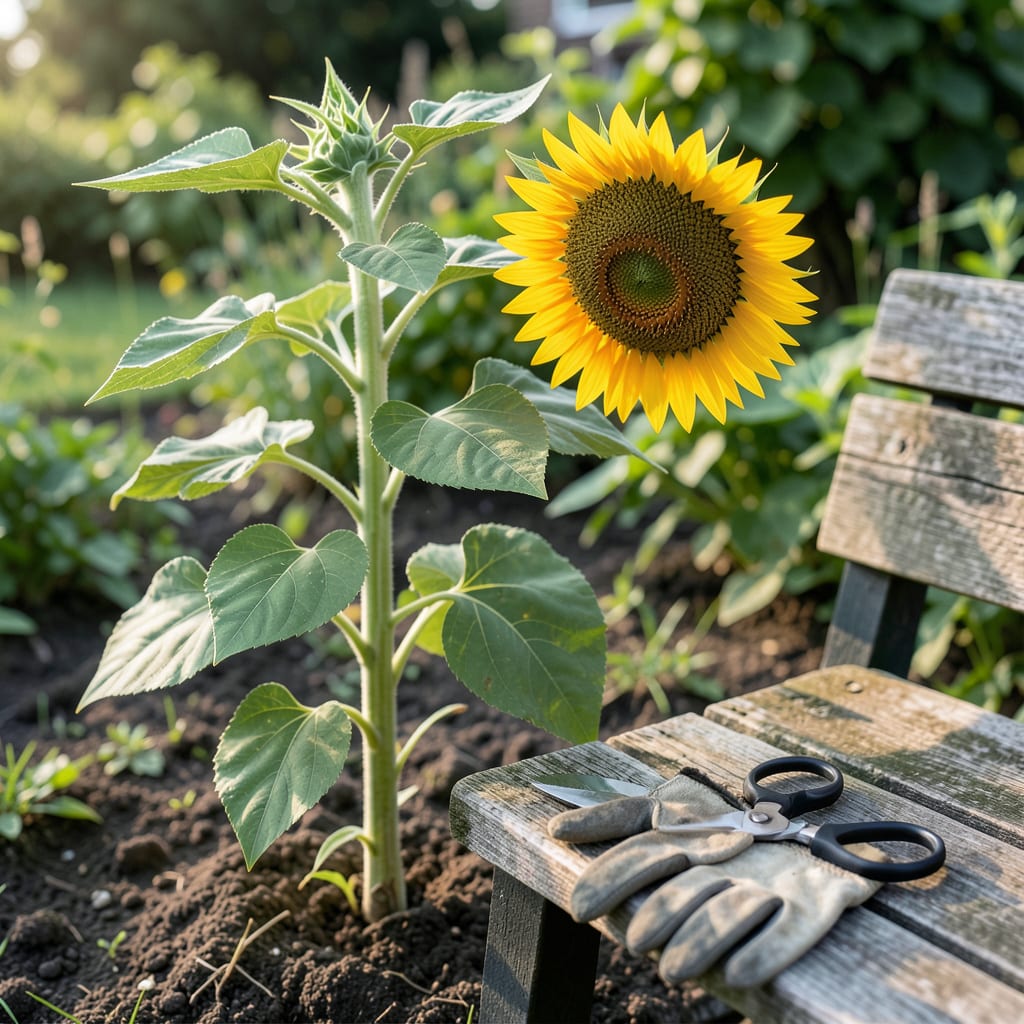
There’s nothing quite like the satisfaction of harvesting your own 🌻 sunflower seeds at just the right moment. I remember my first attempt – I waited too long and lost half the crop to hungry birds.
Discover the subtle signs that tell you your sunflowers are ready to share their bounty. With these tips, you’ll never miss the perfect harvesting window again.


Timing is everything when harvesting sunflower seeds. The most reliable sign is the back of the flower head turning from green to yellow or brown. This color change indicates the seeds are maturing properly.
Another clear indicator is the petals. When they start to dry out and fall off, your sunflowers are nearing harvest time. The seeds themselves will look plump and firm with distinct striped patterns.
| Ready Sign | Description |
|---|---|
| Back Color | Turns yellow or brown |
| Petal Condition | Dry and falling off |
| Seed Appearance | Plump with stripes |
| Seed Test | Loose when rubbed |
I always do the fingernail test to confirm. Press a seed with your nail—if it leaves a dent, it’s not ready. A hard seed that resists pressure means it’s harvest time.
Watch for bird activity too. When birds start showing interest in your sunflowers, they’ve sensed the seeds are ripe. This is nature’s way of telling you it’s time to act quickly.
The seed head will also begin to droop slightly as the seeds mature. This is normal and another good sign that harvesting is imminent. Don’t wait too long after noticing this.
For giant sunflower varieties, the process takes longer. These may need 120 days from planting to harvest. Smaller varieties often mature in 80-90 days under ideal conditions.
Remember that weather conditions affect timing. A hot, dry summer may speed up maturation, while cool, wet weather can delay it. Always check the visual signs rather than relying solely on days.
If you’re growing multiple sunflower plants, they may not all mature at the same time. I recommend checking each flower head individually for the readiness signs we’ve discussed.
Harvesting at the right time ensures maximum seed viability and best flavor if you plan to roast them. The window is usually 2-3 weeks once the signs appear, but don’t wait too long or you risk losing seeds to wildlife.
Once your sunflower seeds show the readiness signs, it’s time to harvest. I always start by gathering the right tools: sharp pruners, a paper bag, and twine for hanging. This ensures a clean process.
Begin by cutting the flower head with about 12 inches of stem attached. This gives you something to hold onto while working. Be gentle to avoid dislodging any seeds prematurely.
After cutting, I immediately cover the head with a paper bag secured with twine. This prevents seeds from falling out during transport. It also catches any that might loosen as you work.
Hang the head upside down in a well-ventilated area for 1-2 weeks. This allows the seeds to finish drying completely. Make sure the space is dry to prevent mold growth.
Once fully dry, the seeds should come loose easily when rubbed. I like to gently brush them out over a clean surface. Store your seeds in an airtight container in a cool, dry place for maximum viability.☀️
For larger harvests, you might want to use a fine mesh screen to catch all the seeds as they fall. This is especially helpful with giant sunflower varieties that produce hundreds of seeds.
Even experienced gardeners can make mistakes when harvesting sunflower seeds. The most common error I see is waiting too long to harvest. Once those seeds are ripe, they become a buffet for birds and squirrels.
Another frequent misstep is harvesting too early. If you cut the head while it’s still green, the seeds won’t be fully developed. This results in small, underripe seeds that won’t store well or germinate properly.
⚠️ Avoid These Harvesting Mistakes:
Improper drying is another issue that can ruin your harvest. If you don’t allow enough drying time or use a damp space, you risk mold development. Always choose a dry, well-ventilated area for drying your sunflower heads.
Poor storage conditions can also undermine all your hard work. Storing seeds in a humid environment or non-airtight container leads to premature spoilage. I always use glass jars with tight lids for long-term storage.
Remember that different varieties have different needs. What works for dwarf sunflowers might not be ideal for giant varieties. Adjust your approach based on the specific type you’re growing.
Finally,
Check the back of the flower head—it should turn yellow or brown. Also, look for drying petals and plump, striped seeds that come loose when rubbed.
Seeds will be underdeveloped, small, and won’t store well. They may not germinate if saved for planting. Always confirm readiness with the fingernail test first.
No—dwarf types may take 80-90 days, while giants need up to 120 days. Weather and growing conditions also affect timing.
Cover heads with paper bags or mesh once seeds ripen. Harvest promptly when you notice bird activity increasing around the plants.
