
Beautiful Plants For Your Interior
Beautiful Plants For Your Interior
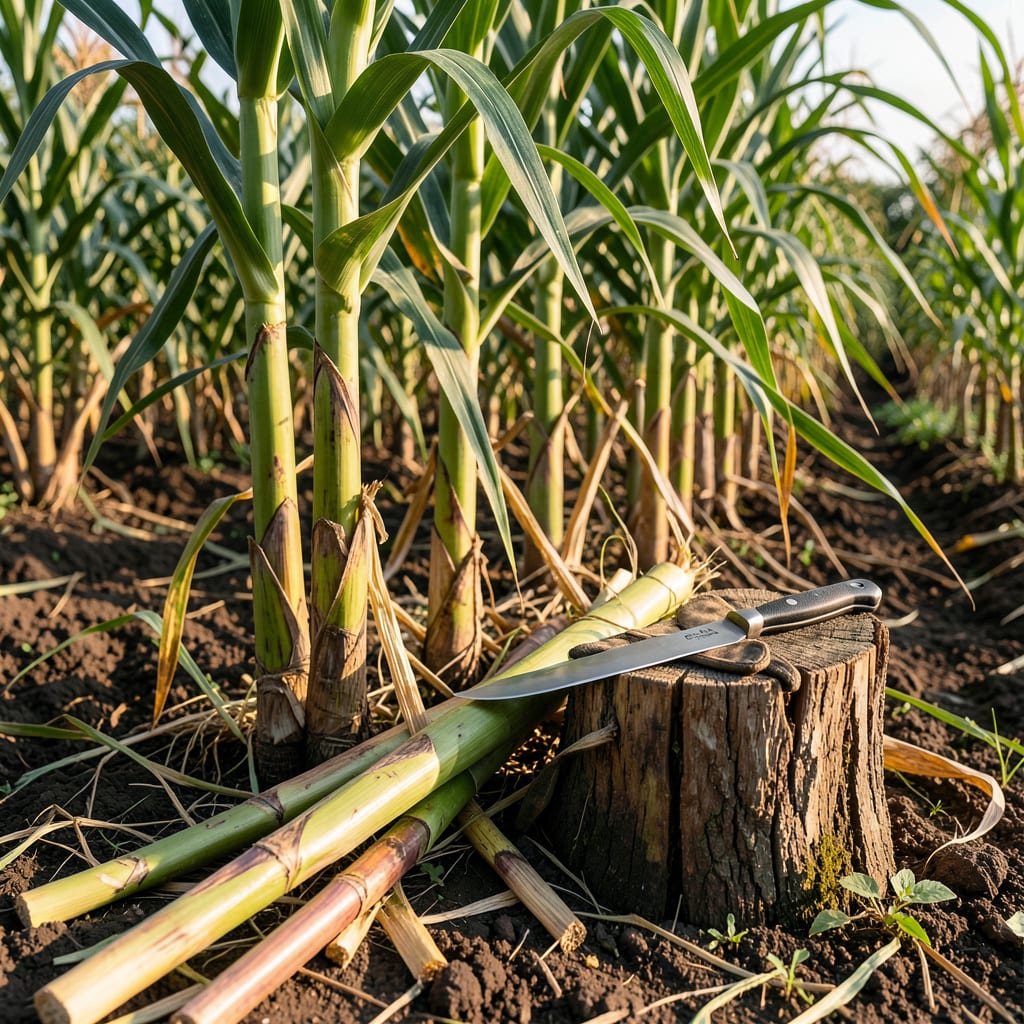
Timing your Sugarcane 🌿 harvest perfectly can make all the difference between a mediocre crop and an exceptionally sweet yield. It’s not just about patience—it’s about knowing the right signs to look for.
From stalk thickness to leaf color changes, I’ll walk you through the key indicators that signal your crop is at its peak. Let’s ensure your harvest is as rewarding as the effort you’ve put in.


Knowing when to harvest sugar cane starts with observing visual cues from your plants. I look for stalk thickness first—mature cane should be 1-2 inches wide at the base.
Another clear sign is leaf color change. When the lower leaves start yellowing slightly, it often means the sugar content is peaking inside the stalks. 🌿
| Maturity Sign | What to Look For |
|---|---|
| Stalk Diameter | 1-2 inches thick |
| Leaf Color | Slight yellowing on lower leaves |
| Texture | Firm and juicy stalks |
| Sugar Test | Brix value above 20 |
The maturity timeline for sugar cane is typically 12-18 months from planting. In my experience, fall to early winter offers the best window for maximum sweetness in most regions.
I always check the stalk firmness by gently pressing it. A ripe stalk feels hard and dense, not spongy or soft. This is a tactile sign that’s easy to verify in the field.
For the most accurate results, I recommend using a refractometer to test Brix levels. When the reading hits 20 or above, you’re in the sweet spot for harvesting.
Regional considerations matter too. In warmer climates like USDA zones 9-11, sugar cane matures faster. Cooler areas may need the full 18 months for optimal ripeness.
Remember that early morning is the best time to harvest. The sugar content is highest after a cool night and before the heat of the day sets in.
Watch for drying leaves at the top of the plant. While some yellowing is good, completely brown leaves might indicate you’ve waited a bit too long.
Finally, trust your senses. A mature sugar cane stalk will have a sweet aroma when cut, and the juice should taste rich and syrupy. This is your final confirmation of perfect ripeness. 🌿
Once you’ve confirmed your sugar cane is ready, the harvesting method becomes crucial. I always use a sharp machete or pruning saw for clean cuts that won’t crush the stalks.
The best time of day is early morning when sugar levels are highest. This timing helps preserve the natural sweetness during processing. ☀️
Avoid harvesting during or after rainy weather, as excess moisture can dilute the sugar content. Dry conditions ensure the best flavor concentration.
For tool maintenance, I sharpen my machete before each harvest. A clean cut prevents damage to the plant and ensures a smoother recovery for future growth. ✂️
After cutting, I inspect the stalks for any signs of pests or disease. Healthy stalks should have a uniform color and no soft spots, which could indicate internal damage.
Finally, I always wear protective gloves and long sleeves. Sugar cane leaves can be sharp, and the stalks are heavy, so proper gear makes the process safer and more efficient.
Even experienced growers can make costly errors when harvesting sugar cane. One of the most common is harvesting too early before stalks reach full maturity and sugar content.
Another frequent mistake is using dull tools that crush rather than cut the stalks cleanly. This damages the plant and can reduce future yields from the same clump. ✂️
⚠️ Warning: Avoid these common harvesting pitfalls
I’ve seen many gardeners delay processing after cutting, not realizing that sugar content begins to degrade within 24 hours of harvest. For best results, process your cane immediately.
Harvesting during or after rainy weather is another mistake to avoid. The excess moisture dilutes the sugar concentration in the stalks, resulting in a less sweet yield.
Frost exposure can be particularly damaging. In cooler climates, always harvest before the first frost, as cold temperatures can cause the stalks to rot from the inside.
Finally, don’t overlook plant health during harvest. If you notice pests or diseases, address these issues before cutting to prevent spreading problems to healthy stalks. 🌿
Sugar cane typically matures in 12-18 months from planting. Warmer climates may see faster growth, while cooler regions often need the full 18 months for peak ripeness.
Harvest in the early morning when sugar levels are highest. This timing preserves natural sweetness, as cool nights concentrate sugars before daytime heat sets in.
Avoid harvesting during or after rain. Excess moisture dilutes sugar content, reducing sweetness. Always wait for dry conditions to ensure the best flavor concentration.
Use a refractometer to measure Brix levels. A reading above 20 signals peak sweetness. This tool gives the most accurate way to confirm your crop is ready.
