
Beautiful Plants For Your Interior
Beautiful Plants For Your Interior
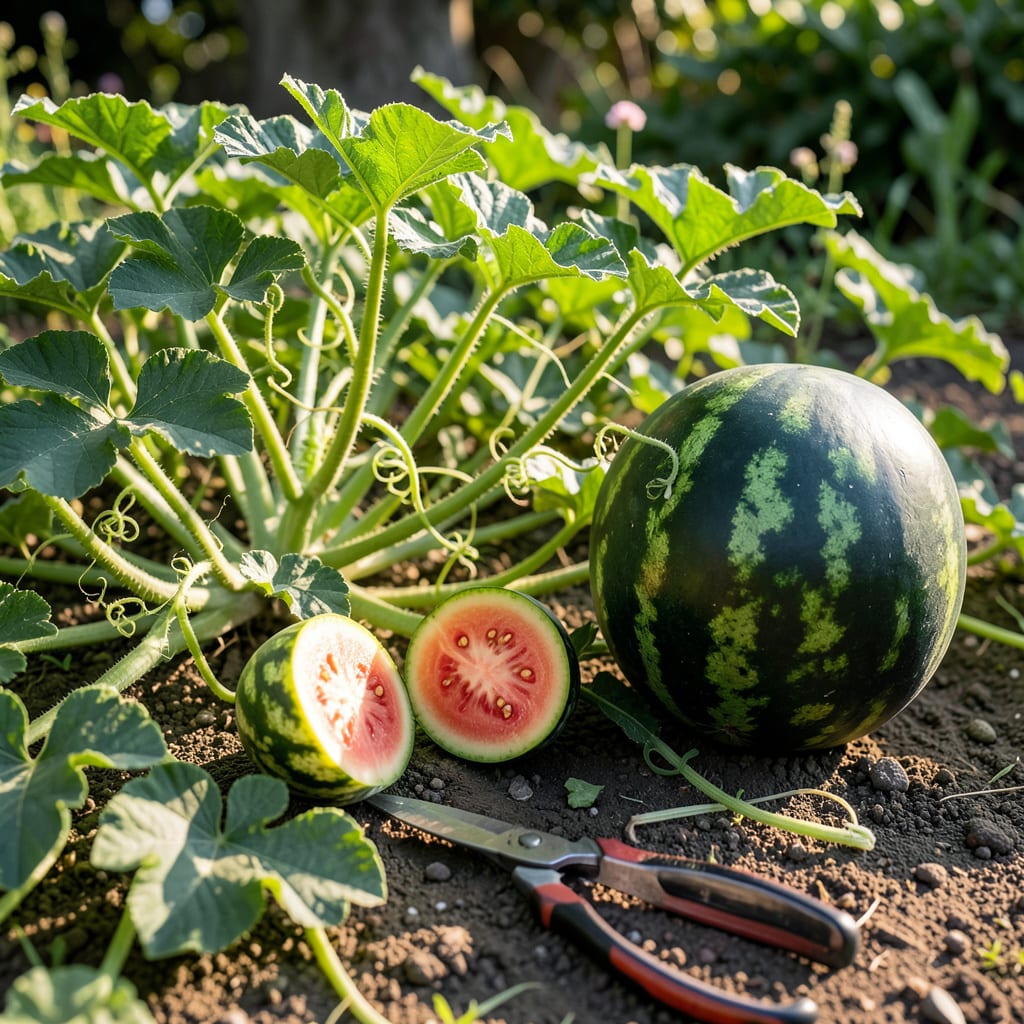
Nothing beats the sweet reward of picking your own Sugar Baby watermelon at just the right moment. I remember my first harvest – the difference between perfect and premature was all in the details.
With this compact variety, nature gives you clear signals when it’s ready. From the 🍉 vine’s tendrils to its color changes, I’ll show you exactly what to look for to get that ideal ripeness every time.


I’ve learned that Sugar Baby watermelons give you several clear signals when they’re ripe. The first thing I check is the tendril nearest the stem – it turns brown and dries up when the fruit is ready.
The ground spot is another reliable indicator. When it changes from white to creamy yellow, that’s your sign the watermelon has reached peak ripeness. This color transformation is hard to miss if you’re checking regularly.
| Ripeness Sign | How to Check |
|---|---|
| Tendril Drying | Brown and brittle near stem |
| Ground Spot | Creamy yellow color |
| Rind Appearance | Dull, not shiny |
| Sound Test | Deep, hollow thump |
The rind color is another giveaway. A ripe Sugar Baby loses its shiny green appearance and becomes more dull and matte. This change is subtle but noticeable if you’re paying attention.
I always do the thump test as a final check. A ripe watermelon will produce a deep, hollow sound when tapped. An unripe one sounds more metallic or flat, while an overripe one might sound dull.
Remember that Sugar Baby watermelons typically reach maturity in 75-85 days after planting. However, I’ve found that weather conditions can affect this timeline, so it’s best to rely on the physical signs rather than just counting days.
The size of the fruit matters too. A mature Sugar Baby usually weighs between 8-10 pounds and measures about 8 inches in diameter. If it’s significantly smaller, it might need more time on the vine.
I recommend checking your watermelons every few days as they approach maturity. The changes can happen quickly, and you don’t want to miss the perfect harvest window. Once all signs point to ripeness, it’s time to pick!
One trick I’ve learned is to watch for cracking sounds from the vine. As the watermelon nears ripeness, you might hear subtle cracks or pops – this is the fruit’s way of telling you it’s almost ready.☀️
Finally, the stem connection can offer clues. When the watermelon is ripe, the stem often starts to dry and separate slightly from the vine. This isn’t always obvious, but combined with other signs, it’s a good confirmation.
Harvest in the early morning when temperatures are cooler to preserve the fruit’s sweetness and crispness.🌱
I always use the thumbnail test as my first check. Press your thumbnail into the rind – if it dents easily, the watermelon is likely ripe. A firm rind means it needs more time on the vine.
The stem inspection is another reliable method. When the stem starts drying and pulling away from the vine, it’s a strong indicator of ripeness. This happens as the fruit reaches full maturity.
For the weight assessment, I compare similar-sized fruits. A ripe Sugar Baby will feel surprisingly heavy because of its high water content. This is especially true when comparing to unripe melons.
The thump test takes some practice but becomes intuitive. Use your knuckles to tap the watermelon – a ripe one produces a deep, resonant sound. An unripe melon sounds higher-pitched and more metallic.
I recommend testing multiple fruits on the same vine. This helps you compare and contrast the ripeness signs. The differences become more apparent when you have several specimens to examine.
Remember that cool mornings are ideal for testing. The fruits are firmer when cool, making the ripeness signs easier to detect. I always do my checks before the heat of the day sets in.🌱
I’ve seen many gardeners make the mistake of harvesting their Sugar Babies too early. The tendril test is the most reliable sign, but some pick based on size alone, which can be misleading.
Another common error is ignoring weather conditions. I always avoid harvesting during or after heavy rain, as this can dilute the fruit’s sugar content and affect flavor.
⚠️ Warning: Never harvest with a pulling motion – this can damage the vine. Always use clean pruners to cut the stem cleanly.
I’ve learned the hard way that improper cutting technique can lead to vine damage or fruit rot. Always leave 2-3 inches of stem attached to prevent entry points for pests and diseases.
Don’t rely solely on the days to maturity count. While Sugar Babies typically ripen in 75-85 days, cool temperatures can slow development, and hot weather can speed it up.
Finally, avoid harvesting in the heat of the day. I always pick in the early morning when the fruit is coolest. This helps maintain the watermelon’s crisp texture and sweet flavor.
Check your vines daily as harvest time approaches. The window for perfect ripeness is short, and missing it can mean the difference between a sweet treat and a bland disappointment.☀️
A green tendril and white ground spot mean it needs more time. A shiny rind also indicates it’s not ready yet.
Yes, overripe melons become mushy and lose sweetness. Harvest within 1-2 days of full ripeness for the best flavor.
A ripe one produces a deep, hollow sound. An unripe melon sounds flat or metallic when tapped.
Early morning is ideal. The fruit stays cooler, preserving crispness and sweetness after harvesting.
