
Beautiful Plants For Your Interior
Beautiful Plants For Your Interior
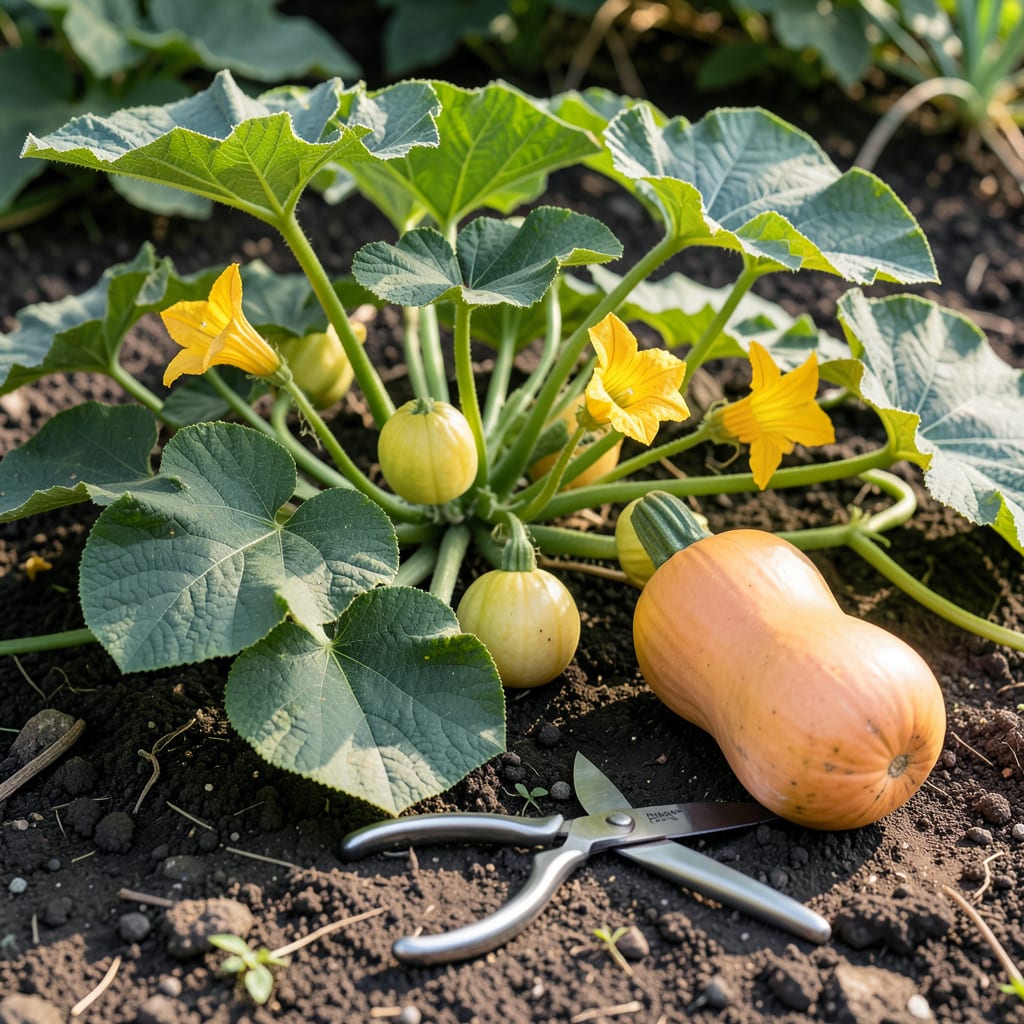
I remember the first time I picked a 🎃 Squash too early – it was a lesson in patience I won’t forget. That soft rind and watery flesh taught me that timing isn’t just important, it’s everything when it comes to harvest.
From the subtle color shift to the telltale hardness of the skin, there are clear signs your squash is ready. Let me walk you through what to look for so you’ll never second-guess again.


I’ve learned that harvest timing for squash comes down to visual and tactile cues. The most reliable sign is the rind hardness – when you can’t punctures it with your fingernail, it’s ready.
For summer squash like zucchini, I look for shiny skin and tender rinds, while winter varieties need that dull, hard exterior to signal maturity.
| Sign | Summer Squash | Winter Squash |
|---|---|---|
| Rind Texture | Tender, shiny | Hard, dull |
| Stem Condition | Soft, green | Dry, woody |
| Color Change | Bright, uniform | Deep, solid |
| Size Benchmark | 6-8 inches long | Mature size for variety |
The stem condition tells me a lot. For summer squash, I harvest while the stem is still soft and green, but for winter squash, I wait until it’s dry and brown.
I always check the color development. Summer squash should have a bright, uniform color, while winter squash develops a deep, solid hue when ready. This color change is nature’s way of signaling ripeness.
Another trick I use is the thumbnail test. If I can’t pierce the rind with my thumbnail, it’s ready to pick. This works especially well for butternut and acorn squash.
Size matters too. For zucchini, I aim for 6-8 inches long, while butternut squash should reach about 8-12 inches in length before harvesting.
I’ve found that hollow sound when tapping winter squash indicates perfect ripeness. This, combined with a hard rind and dry stem, means it’s ready for storage.
For pumpkins, I wait until the vines start dying back and the rind hardens. This usually happens in late September or October, depending on when I planted.
Remember, these signs work together. I never rely on just one indicator. The combination of rind hardness, color, and stem condition gives me the confidence to harvest at the perfect time. ☀️
I’ve found that each squash variety has its own perfect harvest window. The key is knowing the days-to-maturity for your specific type, which typically ranges from 45 to 120 days.
For zucchini and yellow squash, I start checking at about 45-55 days. These summer varieties grow quickly and need frequent harvesting to encourage more production.
| Variety | Days to Maturity | Key Sign |
|---|---|---|
| Zucchini | 45-55 days | Shiny, tender skin |
| Butternut | 80-100 days | Hard rind, tan color |
| Acorn | 70-85 days | Deep green, hard shell |
| Pumpkin | 90-120 days | Orange color, hard rind |
Butternut squash takes longer, usually 80-100 days. I know it’s ready when the rind turns hard and develops that characteristic tan color.
For acorn squash, I look for a deep green color and a hard shell at about 70-85 days. The ridges should be well-defined and the stem dry.
Pumpkins are the longest at 90-120 days. I wait until they’re fully orange with a hard rind and the vines start dying back.
I always mark my planting date on the calendar. This helps me track the maturity timeline and know when to start checking for ripeness signs. 🌱
I’ve made my share of harvesting mistakes with squash over the years. The most common error is waiting too long, which leads to tough, stringy flesh that’s past its prime.
Another frequent misstep is harvesting too early. Picking immature squash means you’ll miss out on the full flavor and proper texture the variety is known for.
Over-ripening: Leads to fibrous texture and poor storage life.
Under-ripening: Results in bland flavor and soft flesh that doesn’t store well.
Improper cutting: Damages the plant and can introduce disease to remaining fruit.
Ignoring weather: Harvest before frost or heavy rain to prevent spoilage.
I learned the hard way that improper cutting can damage both the squash and the plant. Always use clean, sharp pruners and leave a 1-2 inch stem on winter squash.
I never harvest wet squash anymore. Morning dew or rain can make the rind more susceptible to rot during storage. I always wait for dry conditions before picking.
Another lesson I learned is to check frequently. Summer squash can grow incredibly fast—sometimes doubling in size in just a day or two. I make it a habit to inspect my plants every 1-2 days during peak production.
By avoiding these common mistakes, I’ve significantly improved both the quality and quantity of my squash harvests. 🌿
Look for shiny skin and tender rinds. Summer squash like zucchini should be 6-8 inches long with bright, uniform color. The stem will still be soft and green when ready.
Harvesting immature winter squash results in bland flavor and soft flesh that won’t store well. Wait until the rind is hard and dull, and the stem is dry and woody.
Never harvest after frost. Cold damage makes the rind susceptible to rot. Pick all squash before the first frost, even if they’re not fully mature. Store in a cool, dry place.
Inspect every 1-2 days during peak season. Summer varieties grow incredibly fast and can double in size overnight. Regular checks prevent over-ripening.
