
Beautiful Plants For Your Interior
Beautiful Plants For Your Interior
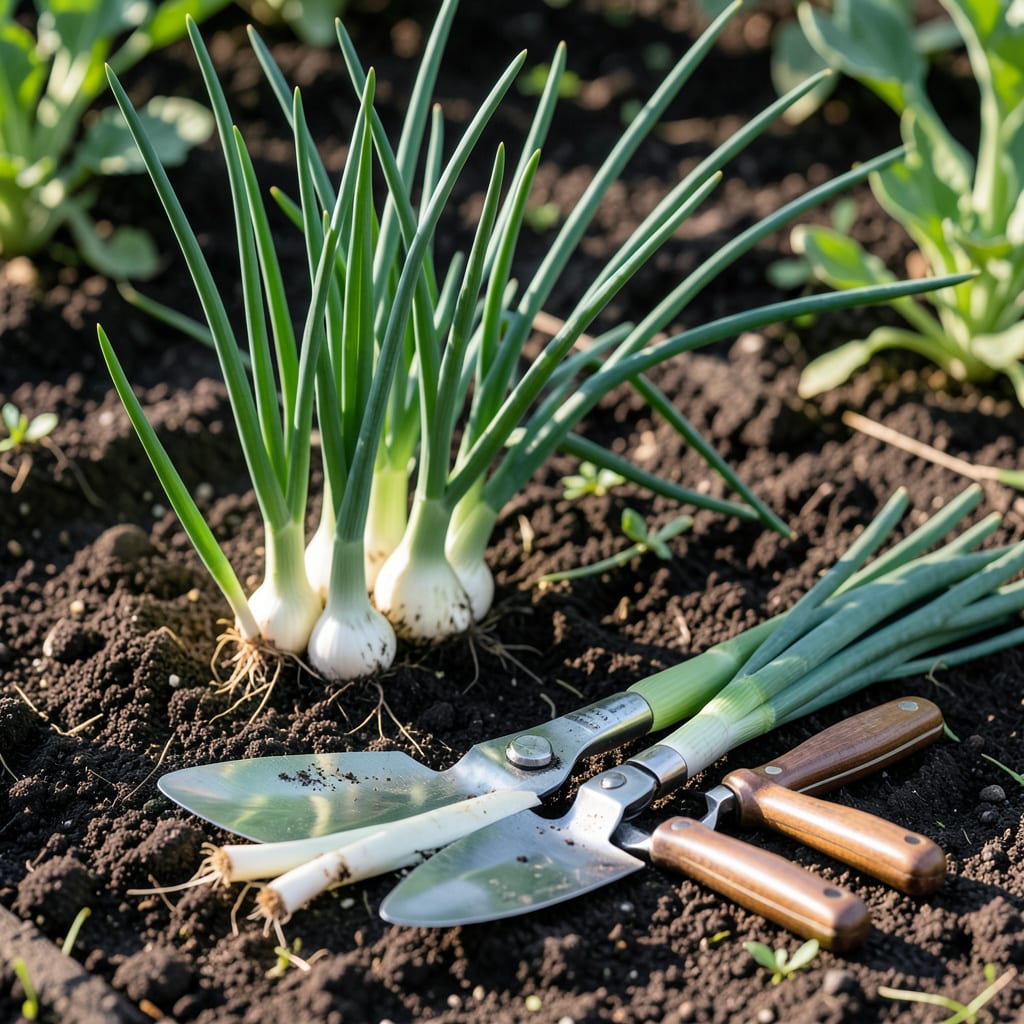
Timing your scallion harvest perfectly can make all the difference between a mild kitchen disappointment and a flavor explosion. The 🧅 Scallions tell you when they’re ready if you know what to look for.
From stem thickness to leaf color, I’ll show you the simple signs that signal your crop has reached its peak. Get this right, and you’ll enjoy the freshest taste all season long.


I always check for 6-8 inch tall leaves first when inspecting my scallion patch. This height indicates the plant has matured enough to develop its signature mild flavor. The leaves should stand upright and firm, not floppy or bent over.
Next, I look at the stem diameter. When it reaches about the thickness of a standard pencil, that’s your green light. The white base should also be forming a 1-2 inch bulb, though it won’t be as pronounced as in mature onions.
| Readiness Sign | What to Look For |
|---|---|
| Leaf Height | 6-8 inches tall |
| Stem Thickness | Pencil-thin diameter |
| Leaf Color | Vibrant green and firm |
| Bulb Base | 1-2 inches long |
The color check is equally important. Ready scallions display a deep green hue throughout their leaves. Any yellowing or browning at the tips suggests the plant is past its prime or stressed.
I gently squeeze the stems between my fingers to test firmness. A ready scallion should feel solid and crisp, not soft or hollow. This simple test helps me avoid harvesting immature plants that might wilt quickly.
For those growing from seed, expect to wait about 60-90 days from planting. If you started with transplants, the timeline shortens to 30-60 days. I mark my calendar to start checking around the 60-day mark.
The time of day matters too. I harvest in the early morning when the plants are most hydrated. This ensures the best texture and helps them store longer if I don’t use them immediately.
Watch for flower stems appearing – this means the plant is bolting and the scallions will turn bitter. If I see this happening, I harvest immediately, even if the plants are slightly smaller than ideal.
With these visual cues, I consistently pick my scallions at their peak flavor. The satisfaction of pulling up a perfectly timed bunch makes all the waiting worthwhile. The best part is that scallions often regrow from the base if I leave an inch above the soil.
This means I can extend my harvest for several weeks from a single planting. I just
I’ve found that staggered planting is the secret to enjoying scallions all season. By sowing new seeds every 2-3 weeks, I ensure a continuous harvest rather than one big flush. This method works well in both spring and fall.
For spring crops, I start seeds indoors 8-10 weeks before the last frost date. This gives them a head start before transplanting outdoors. In milder climates, I can direct sow as soon as the soil reaches 50°F. ☀️
For fall harvesting, I plant seeds about 6-8 weeks before the first expected frost. Scallions tolerate light frost, which can actually enhance their flavor. In warm climates, I can grow them through winter with some protection.
After harvesting, I leave about 1-2 inches of the plant above the soil. With proper care, scallions will regrow new shoots from the base. I
In hotter climates, I pay attention to bolting prevention. When temperatures rise above 75°F, I provide afternoon shade. This helps delay flowering and extends my harvest window. 🌱
I’ve also had success with container gardening for scallions. Using 12-inch deep pots allows me to move them to optimal light conditions. This is especially useful for extending the season on my patio.
Remember that soil moisture is crucial before harvesting. I always check that the soil is slightly damp when I pull my scallions. This makes them easier to remove and helps preserve their crisp texture.
I’ve learned the hard way that harvesting too late leads to woody stems and bitter flavors. Scallions left in the ground past their prime develop tough textures that ruin their delicate taste. I now set a 60-90 day reminder from planting. ☀️
Another common mistake is cutting too close to the base. This prevents regrowth and reduces your overall yield. I always leave at least 1-2 inches of stem above the soil to encourage new shoots.
⚠️ Harvesting Warning: Avoid these common pitfalls to protect your scallion crop and ensure the best flavor and regrowth potential.
Ignoring soil moisture before picking is another error I’ve made. Pulling scallions from dry soil makes them more prone to damage and reduces their crispness. I always water the bed the day before I plan to harvest.
I used to overlook the signs of bolting. When I see flower stems forming, I know the plant is shifting energy away from the edible parts. Now I harvest immediately if I spot this, even if the scallions are slightly smaller than ideal.
Lastly, I’ve found that harvesting at the wrong time of day affects quality. I now pick in the early morning when plants are most hydrated. This simple change has improved both the texture and storage life of my scallions. 🌿
Harvest when the green tops reach 6-8 inches tall. This size ensures they’ve developed their full flavor without becoming tough. Shorter ones lack depth, while taller may be past their prime.
Yes! Snip individual leaves as needed, leaving 1-2 inches above soil. This allows the plant to regrow for future harvests. Avoid cutting too low, or it won’t recover.
Overmature scallions develop woody stems and bitter flavors. Watch for flower stems—this means they’re bolting. Harvest immediately if you see these signs.
Yes, early morning is ideal when plants are most hydrated. This preserves crispness and extends storage life. Always check soil moisture first.
