
Beautiful Plants For Your Interior
Beautiful Plants For Your Interior
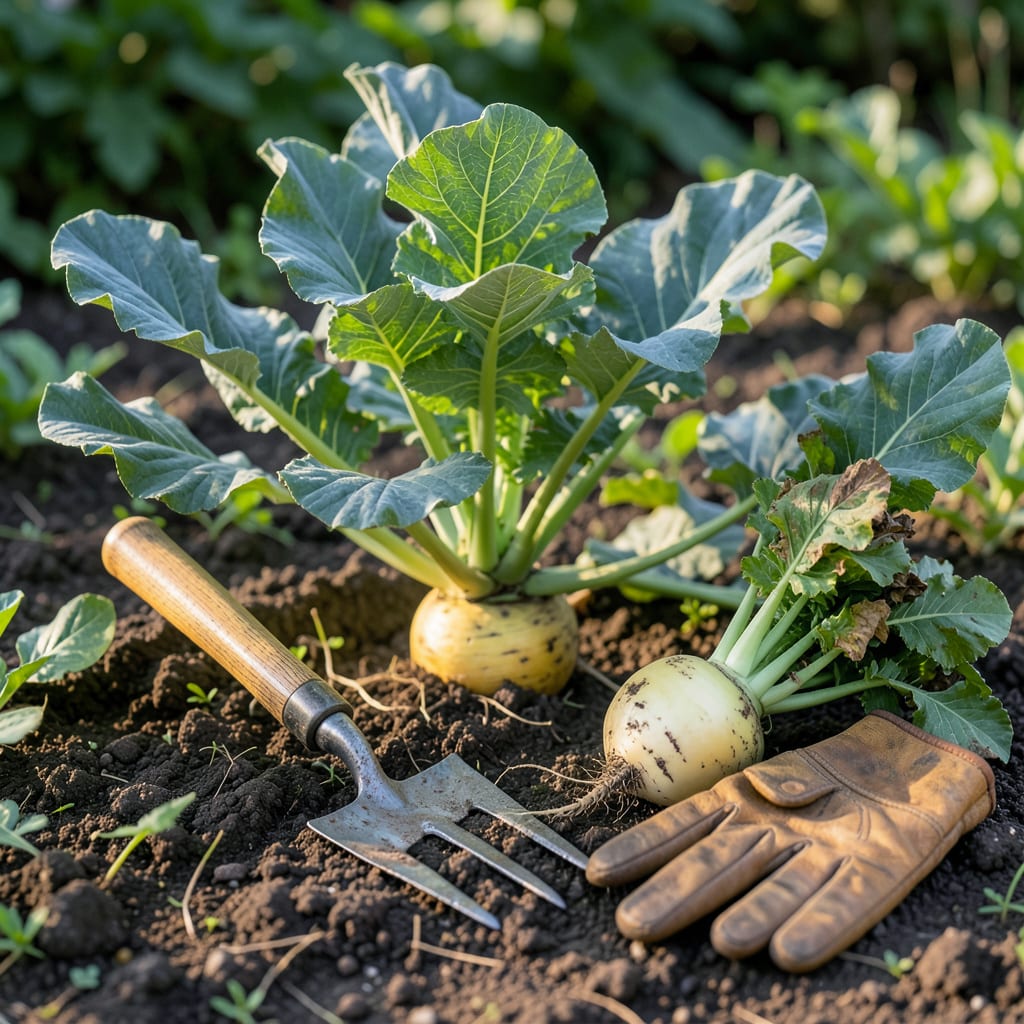
I’ve learned the hard way that pulling Rutabaga 🥬 too soon or too late ruins the flavor. That perfect moment exists between woody and wonderful.
After years of trial and error in zone 6a, I’ll show you the exact signs to watch for. These simple cues guarantee a sweet, tender harvest every time.


I check my rutabaga plants weekly once they hit 70 days after sowing. The first sign I look for is root diameter poking above soil level.
The ideal harvest size is 3-5 inches across. Anything smaller lacks sweetness, while oversized roots turn woody. I use a ruler for precision.
| Sign | What to Look For |
|---|---|
| Size | 3-5 inches diameter |
| Color | Deep purple or yellow |
| Firmness | Hard when pressed |
| Days to Maturity | 90-110 days |
The color transformation is another clear indicator. Mature rutabagas develop a vibrant purple top with golden-yellow bottom. Dull colors mean more waiting.
I test root firmness by gently pressing the soil near the base. A ready rutabaga feels as solid as a baseball through the dirt.
The foliage offers clues too. When tops reach 6-8 inches tall with healthy green leaves, the roots below are usually ready. Wilting leaves may signal over-maturity.
I always check the days to maturity for my variety. Most rutabagas need 90-110 days from seed. I mark my calendar but prioritize physical signs over dates.
For a sneak peek, I carefully brush soil away from one root. If it shows smooth skin and rich color, I know the rest are ready. Rough or pale skin means more time.
I harvest in the cool morning when roots are most firm. Using a garden fork, I loosen soil 6 inches from the plant before pulling to prevent breakage.
After pulling, I immediately brush off dirt and check for damage. Perfect rutabagas store well for months in a cool dark place 🌱
I’ve noticed light frost actually improves rutabaga flavor by converting starches to sugars. This natural sweetening makes fall the ideal harvest window for me.
In my zone 6a garden, I aim to pull rutabagas after the first light frost but before the ground freezes. This timing balances sweetness and texture perfectly.
🌱 Pro Tip:
A light frost enhances sweetness, but hard freezes can damage roots. Harvest before temperatures drop below 25°F (-4°C).
During warm spells, I check roots more frequently. Heat can cause rutabagas to bolt or develop a bitter taste, so I harvest early if a heatwave is forecasted.
Consistent moisture is key in the final weeks. I water deeply 1-2 inches weekly if rainfall is scarce, ensuring roots plump up properly before harvest.
I’ve found that cool mornings are best for pulling. The roots are firmer, and the soil is easier to work with after a chilly night.
After harvest, I cure rutabagas in the sun for a few hours to toughen their skin. This step extends storage life significantly in my root cellar 🌿
I’ve made my share of harvesting errors with rutabagas over the years. The biggest one was pulling them too early—before they reached 3 inches in diameter.
Another common mistake is waiting too long. Oversized rutabagas develop a woody texture and can split in the ground. I set reminders at 90 days to check progress.
✅ Common Harvesting Mistakes:
I learned the hard way that wet soil makes roots slippery. Now I wait for dry conditions or use a garden fork to gently loosen the earth first.
Improper storage is another pitfall. I once lost a whole crop to rot by leaving them in a damp basement. Now I store in a cool, dry place with good airflow.
Finally, I always inspect for pest damage before storing. Even small holes or cracks can lead to spoilage. A quick check saves months of storage potential 🌱
If the root is under 3 inches in diameter, it needs more time. Small ones often lack sweetness and texture. Wait until it reaches at least 3-5 inches for best flavor.
Yes! A light frost converts starches to sugars, enhancing sweetness. However, harvest before a hard freeze below 25°F (-4°C) to prevent damage.
Leaving them past 110 days risks woody texture and splitting. Check size weekly after 90 days to avoid over-maturity.
Harvest in the cool morning when roots are firm and soil is easier to work. Avoid wet conditions to prevent breakage.
