
Beautiful Plants For Your Interior
Beautiful Plants For Your Interior
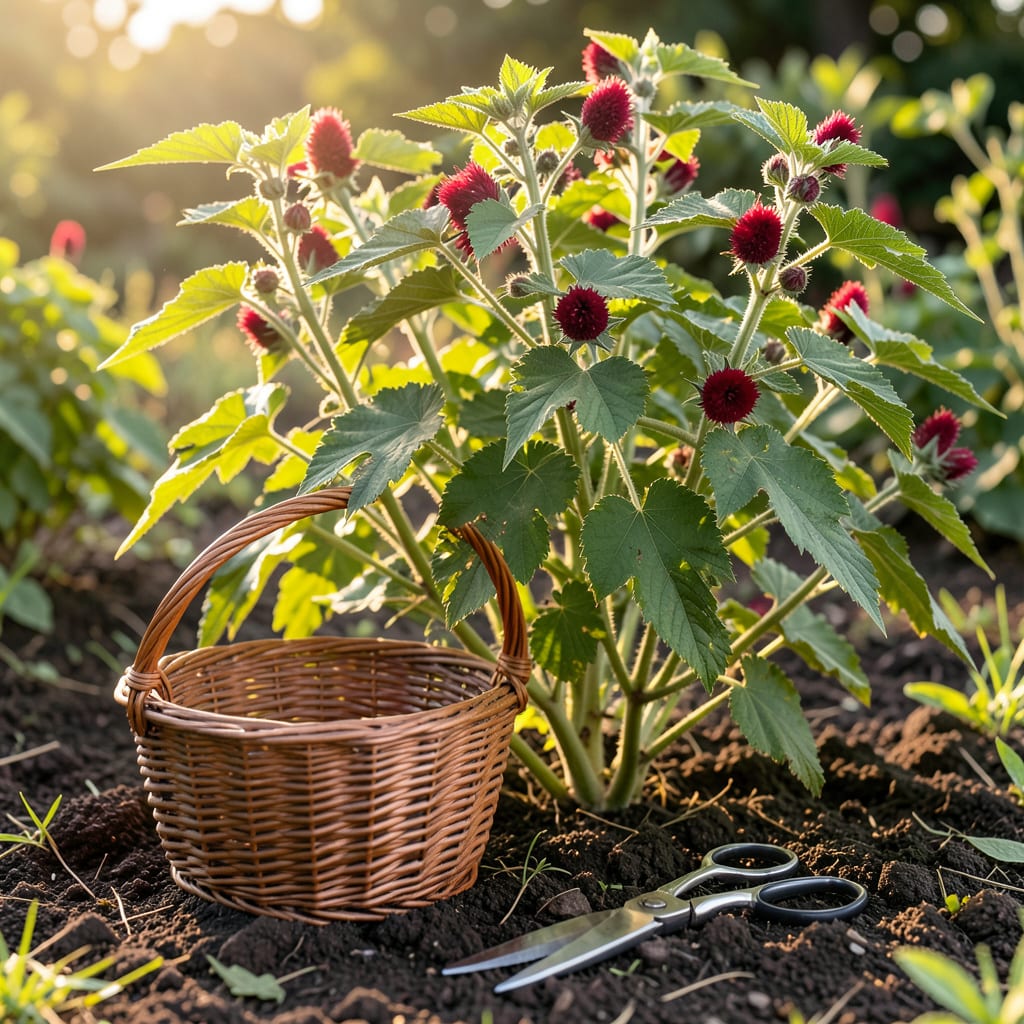
That moment when your 🌺 Roselle finally shows its true colors is pure magic. But how do you know it’s truly ready?
Timing is everything with this plant. I’ll show you the visual cues that guarantee a perfect, flavorful harvest every time.


I always watch for that perfect deep red color in the calyxes to know my roselle is ready. This vibrant hue signals peak flavor development and maximum nutritional value. The transformation from green to red is your first visual cue.
The firmness test is equally important. Gently squeeze the calyx – it should feel firm yet pliable, not hard or mushy. This texture ensures the best quality for drying or fresh use. Size matters too, with 1-3 inch calyxes being ideal.
The stem condition offers another clue. When the stem turns woody and dry near the calyx, it’s a sign the plant has redirected its energy to the fruit. This typically occurs about 5 days after the flower blooms.
I’ve found that morning harvesting yields the best results. The calyxes are most turgid and flavorful after the cool night and before the heat of day. Use sharp pruners to make clean cuts.
Remember that yellowing leaves near the calyx can indicate readiness. However, don’t wait until the entire plant starts yellowing, as this might mean you’ve missed the optimal harvest window. The calyx should still be vibrant.
For the best flavor, I recommend harvesting when at least 70% of the calyx has turned deep red. The remaining green portions will continue to ripen off the plant, but the flavor won’t be as intense as fully ripe calyxes.
If you’re growing roselle in cooler climates, watch for these signs to appear earlier than in tropical regions. The plant may mature faster to beat the first frost. In my experience, this can shorten the growing season by 2-3 weeks.
Finally, check the seed pods inside the calyx. When they’re visible and starting to swell, it’s a sure sign of maturity. But don’t wait until they’re fully developed, as this can lead to overripe calyxes that are less flavorful.
With these visual and tactile cues, you’ll never miss the perfect harvest window again. The key is consistent observation and quick action when you spot these signs. Your reward will be the most flavorful roselle possible from your garden. ✂️
I’ve learned that temperature plays a huge role in roselle maturity. In tropical climates, plants often reach harvest readiness in about 90-120 days. The consistent warmth accelerates growth and color development in the calyxes.
For gardeners in temperate zones, the timeline shifts. Cooler temperatures can extend the growing season to 150 days. I always watch for the first frost date and plan my harvest accordingly, as roselle is frost-sensitive.
Rainfall significantly affects harvest timing. Too much rain can delay maturity, while drought conditions may cause premature ripening. I’ve noticed my roselle plants in well-draining soil handle weather fluctuations better than those in heavy clay.
The daylight hours also influence when to harvest roselle. As days get shorter in early fall, the plants receive a natural signal to accelerate ripening. This is why late-season roselle often matures more quickly than summer harvests.
In my experience, morning harvesting after a cool night yields the most flavorful calyxes. The temperature swing helps concentrate the natural sugars and acids that give roselle its tangy flavor. Always check your plants after weather changes.
Remember that microclimates in your garden can create variations. A sunny spot against a south-facing wall might produce roselle that ripens 1-2 weeks earlier than plants in shadier locations. Observe and adjust your harvest timing accordingly. ☀️
I’ve seen many gardeners rush the harvest and pick roselle when the calyxes are still pale. This results in a mild flavor that lacks the tangy depth roselle is known for. Always wait for that deep red color to develop fully.
Another common error is waiting too long. Overripe calyxes become mushy and less flavorful. They may also split open, making them harder to process. I check my plants daily once they start showing harvest signs to catch them at peak perfection.
Harvest Alert: Never pull calyxes off by hand. Always use sharp pruners to make clean cuts, leaving 1/2 inch of stem attached to prevent plant damage and disease.
Some gardeners damage the plant by being too rough during harvest. I always use clean, sharp tools and make cuts at a 45-degree angle. This helps the plant heal faster and continue producing more calyxes for future harvests.
Ignoring weather conditions can also lead to problems. I avoid harvesting when the plant is wet from rain or dew, as this can spread disease. The best time is on a dry morning after the dew has evaporated but before the heat sets in.
Finally, don’t overlook the lower calyxes. Many gardeners focus only on the easy-to-reach ones at the top. I make it a point to check the entire plant, as the lower calyxes often ripen first and can be hidden by the dense foliage. ✂️
Look for a deep red color and firm texture. They should be 1-3 inches wide and the stem near the calyx will turn dry and woody.
No, roselle is frost-sensitive. Harvest all calyxes before the first frost, as cold will damage the plant and reduce quality.
Early harvest results in pale calyxes with mild flavor. They lack the tangy depth and vibrant color of fully ripe ones.
Yes, morning after the dew dries is ideal. Calyxes are most turgid and flavorful after the cool night and before daytime heat.
