
Beautiful Plants For Your Interior
Beautiful Plants For Your Interior
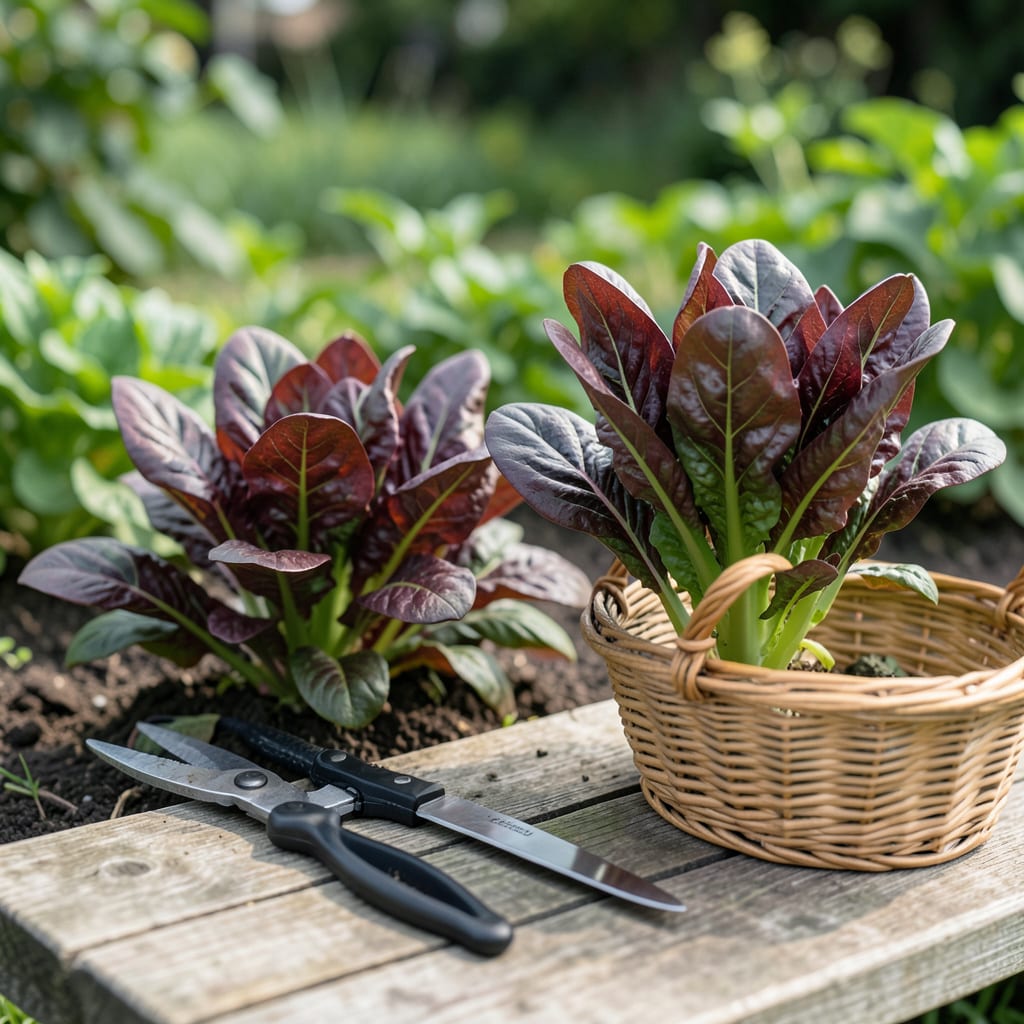
Nothing beats the satisfaction of plucking fresh 🥬 Red Romaine Lettuce from your garden at just the right moment. The difference between perfectly crisp leaves and bitter overgrowth often comes down to timing.
I’ll show you how to spot the subtle signs that your plants are ready. With these tips, you’ll never question when to harvest again.


Timing your red romaine harvest perfectly starts with observing leaf development. I look for deep red veins running through each leaf, signaling maturity. The heads should be firm but not tight, with outer leaves reaching 6-8 inches tall. ✂️
Many gardeners miss the window by waiting for a perfectly tight head, but with red romaine, that’s a mistake. The leaves should be crisp and full-sized with rich, uniform color. If you see faint red coloration, your lettuce needs more time. 🌱
| Harvest Sign | Description |
| Leaf Size | Reaches 6-8 inches tall |
| Color | Deep red veins throughout |
| Texture | Firm and crisp leaves |
| Head Formation | Solid when pressed gently |
If you wait too long, the lettuce will bolt to seed, turning bitter and tough. I check my plants daily once they near maturity. The center head should feel dense but not hard when gently squeezed. 🌿
Another key indicator is the leaf edges. They should be slightly ruffled but not curly or wilted. If the outer leaves start to yellow or wilt, you’ve waited too long. Harvest immediately to salvage what’s left.
For cut-and-come-again harvesting, I start removing outer leaves when they reach 4-6 inches. This encourages new growth and extends your harvest window. Just be sure to leave the inner leaves intact for regrowth.
The growing conditions also affect readiness. In cool spring weather, lettuce matures slower but stays sweet longer. Hot weather speeds growth but can cause premature bolting. I always adjust my expectations based on the season.
If you’re growing in containers, check the root development. When roots start circling the pot, it’s time to harvest or transplant. This is especially important for red romaine, which has a shallow root system.
Remember, morning harvesting gives you the crispest leaves. The plants are most hydrated after a cool night. I bring a sharp knife or clean scissors to make clean cuts and prevent damage to the remaining plant.
By watching these visual cues and understanding your plant’s growth patterns, you’ll always harvest at the peak of perfection. The difference in flavor and texture is well worth the attention to detail. 🪴
I always use the cut-and-come-again method for my red romaine. This means harvesting only the outer leaves when they reach 4-6 inches, leaving the inner growth to continue developing. ✂️
For a whole-head harvest, I wait until the plant forms a loose, upright head about 6-8 inches tall. Using clean garden shears, I cut the entire plant about 1 inch above the soil to allow for potential regrowth.
The timing of day matters more than you think. I always harvest in the early morning when the leaves are most hydrated and crisp. This is especially important in hot climates where afternoon heat can wilt the leaves quickly. 🌱
For container-grown romaine, I find that more frequent, smaller harvests work best. The limited root space means the plants can’t support as much regrowth. I typically harvest every 3-4 days during peak growth periods.
After harvesting, I give my plants a light watering to help them recover. Avoid heavy feeding at this stage, as it can lead to soft, less flavorful growth. The plants need time to recover before their next growth spurt.
Weather plays a huge role in determining the perfect harvest time for red romaine. In cool spring conditions, your lettuce may take the full 60-70 days to mature, giving you a longer window to harvest. ☀️
When temperatures rise above 75°F, red romaine tends to bolt quickly, turning bitter. I’ve found that in hot climates, checking plants daily is essential to catch them at their peak before they go to seed. 🌡️
🌱 Weather Impact Tip:
Hot weather speeds up bolting. Harvest early in the day and consider shade cloth to extend your growing season.
In cold weather, growth slows significantly. If you’re growing in early spring or fall, expect your red romaine to take closer to 70 days. The cool temperatures actually enhance the sweetness of the leaves. 🌿
For regional considerations, gardeners in southern zones can often grow red romaine through winter, while northern gardeners should focus on spring and fall plantings to avoid extreme temperatures. I adjust my planting schedule based on my local frost dates.
If unexpected heatwaves hit, I recommend harvesting your red romaine a few days early rather than risking bolting. The leaves might be slightly smaller, but they’ll be tender and sweet rather than tough and bitter.
Harvest when outer leaves reach 6-8 inches tall. This size indicates full maturity with optimal crispness and flavor. Waiting longer risks bitterness as the plant bolts.
Yes! Use the cut-and-come-again method. Remove outer leaves when they hit 4-6 inches, leaving the inner growth intact. This extends your harvest by 2-3 weeks.
Overmature plants bolt to seed, turning leaves bitter and tough. Yellowing or wilting outer leaves also signal you’ve missed the prime window. Harvest immediately if you see these signs.
In hot climates above 75°F, check daily—lettuce bolts fast. Cool spring weather allows the full 60-70 days for sweeter, slower growth. Adjust based on your local conditions.
