
Beautiful Plants For Your Interior
Beautiful Plants For Your Interior
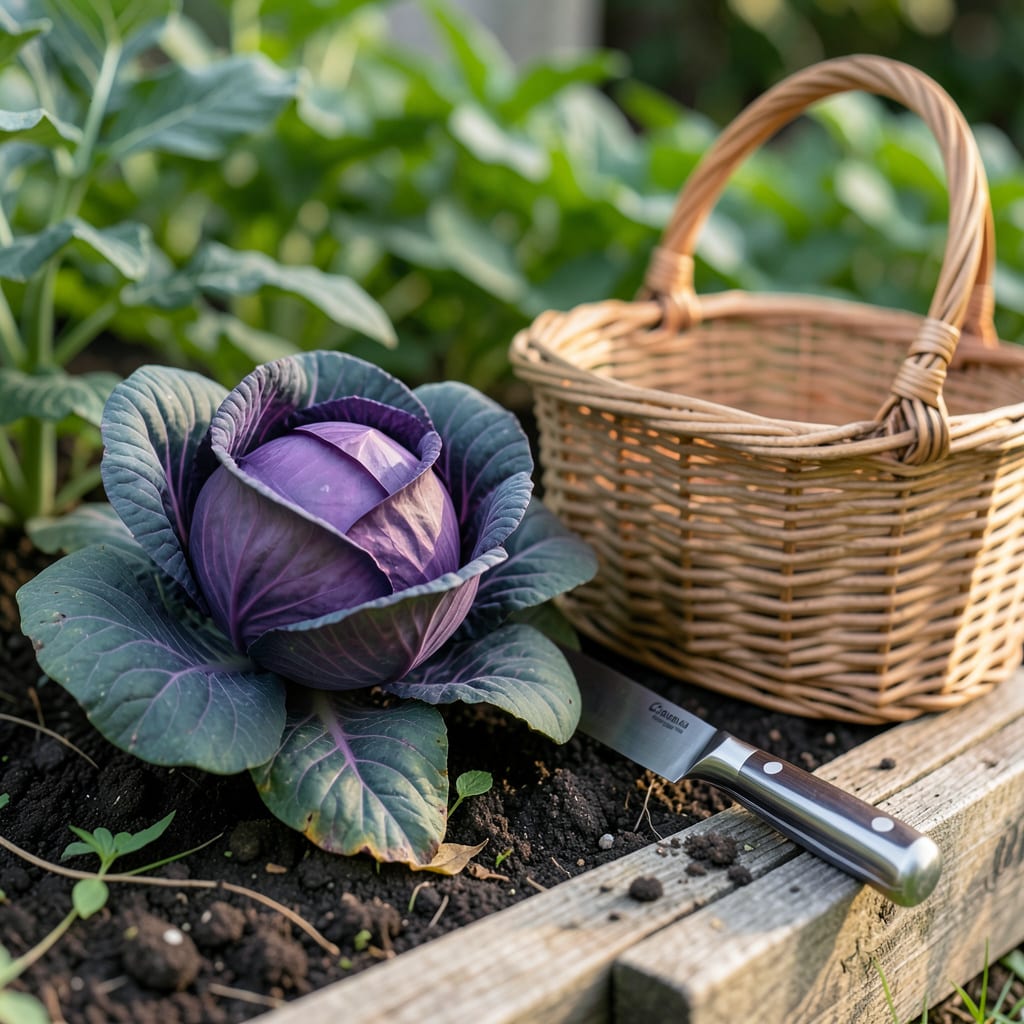
There’s nothing quite like the satisfaction of growing your own Purple Cabbage 🥬 and picking it at just the right moment. Timing your harvest perfectly means the difference between crisp, flavorful leaves and a disappointing, tough head.
I’ll show you the key signs to look for, so you never miss that sweet spot. Whether it’s your first garden or your tenth, these tips will help you bring in a bountiful crop every time.


Harvesting purple cabbage at the right time ensures peak flavor and vibrant color. The first sign I look for is head firmness—it should feel dense and solid when gently squeezed.
A ready head typically measures 6-8 inches in diameter, though this varies by variety. The deep purple hue should be rich and consistent, without pale or dull spots. Tight, compact leaves are another clear indicator of maturity.
| Sign | What to Look For |
|---|---|
| Firmness | Solid and compact when pressed |
| Size | 6-8 inches in diameter |
| Color | Deep, vibrant purple throughout |
| Leaf Tightness | Leaves tightly wrapped around the head |
If the head feels loose or soft, it’s not ready yet. Wait a few more days and check again. I’ve found that morning harvests often yield the crispest cabbage.
Another tip: look for slight yellowing of the outer leaves. This subtle change often signals that the head has reached its full maturity and is ready to pick.
Don’t wait too long, though. Overmature heads can split open, which attracts pests and reduces storage life. I aim to harvest as soon as the head meets all the visual and physical cues.
For fall-planted cabbage, watch for an early frost forecast. A light frost can actually enhance the flavor, but a hard freeze will damage the leaves.
If you’re growing multiple plants, stagger your harvest. Pick the most mature heads first and give the others a few more days. This way, you’ll enjoy fresh cabbage over a longer period.
Remember, variety matters. Some purple cabbages mature faster than others, so always check the seed packet for specific days-to-harvest guidelines.
With these signs in mind, you’ll never second-guess when to pick your purple cabbage again. Happy harvesting! 🌱
Timing your purple cabbage harvest incorrectly can lead to disappointing results. Picking too early often means small, loose heads with underdeveloped flavor and poor texture.
These premature cabbages lack the sweetness and crispness that make homegrown varieties so rewarding. I’ve learned it’s better to wait an extra week than to rush the process.
Harvesting too late brings its own set of problems. Overmature cabbages often split open, which invites pests and disease while reducing storage life.
The leaves can become tough and fibrous, making them less pleasant to eat. I check my plants daily once they near maturity to catch them at the perfect moment.
A light frost can actually improve flavor for fall cabbage, but a hard freeze will damage the leaves. I’ve found that morning harvests after a light frost yield the sweetest cabbage.
To avoid these issues, I recommend checking your plants daily as they approach maturity. Look for that deep purple color and firm head we discussed earlier.
With practice, you’ll develop an eye for the perfect harvest window every time. 🌱
Timing your purple cabbage harvest depends on when you planted and where you live. Most varieties reach maturity in 70-90 days from transplant, but climate plays a big role.
In cooler regions, I’ve found spring-planted cabbage often matures faster due to mild temperatures. For fall harvests, count backward from your first expected frost date.
Spring Planting: Harvest in early summer (May-June)
Fall Planting: Harvest in early fall (Sept-Oct)
Days to Maturity: 70-100 days from transplant
Frost Tip: Light frost enhances flavor, hard frost damages leaves
In warmer climates, cabbage may mature faster but can bolt in heat. I plant in late summer for a fall harvest to avoid bolting issues.
For container gardeners, monitor closely as pots can dry out faster. I check soil moisture daily and adjust my harvest timeline if plants seem stressed.
Remember, seed packets provide the most accurate days-to-harvest for your specific variety. I always note the planting date to track progress accurately.
With these regional tips, you’ll time your harvest perfectly every season. 🌿
Gently squeeze the head—it should feel dense and solid like a baseball. If it gives or feels spongy, wait a few more days before checking again.
Most purple cabbages are ready at 6-8 inches across, but some varieties mature at 4 inches or grow larger. Always check your seed packet for specifics.
Splitting happens when cabbage stays in the ground too long after maturing. Harvest immediately when firm to prevent this. Overwatering can also contribute to splitting.
Yes! A light frost actually sweetens the flavor. Harvest the same day if possible. But if a hard freeze is forecast, pick all cabbage beforehand to prevent damage.
