
Beautiful Plants For Your Interior
Beautiful Plants For Your Interior
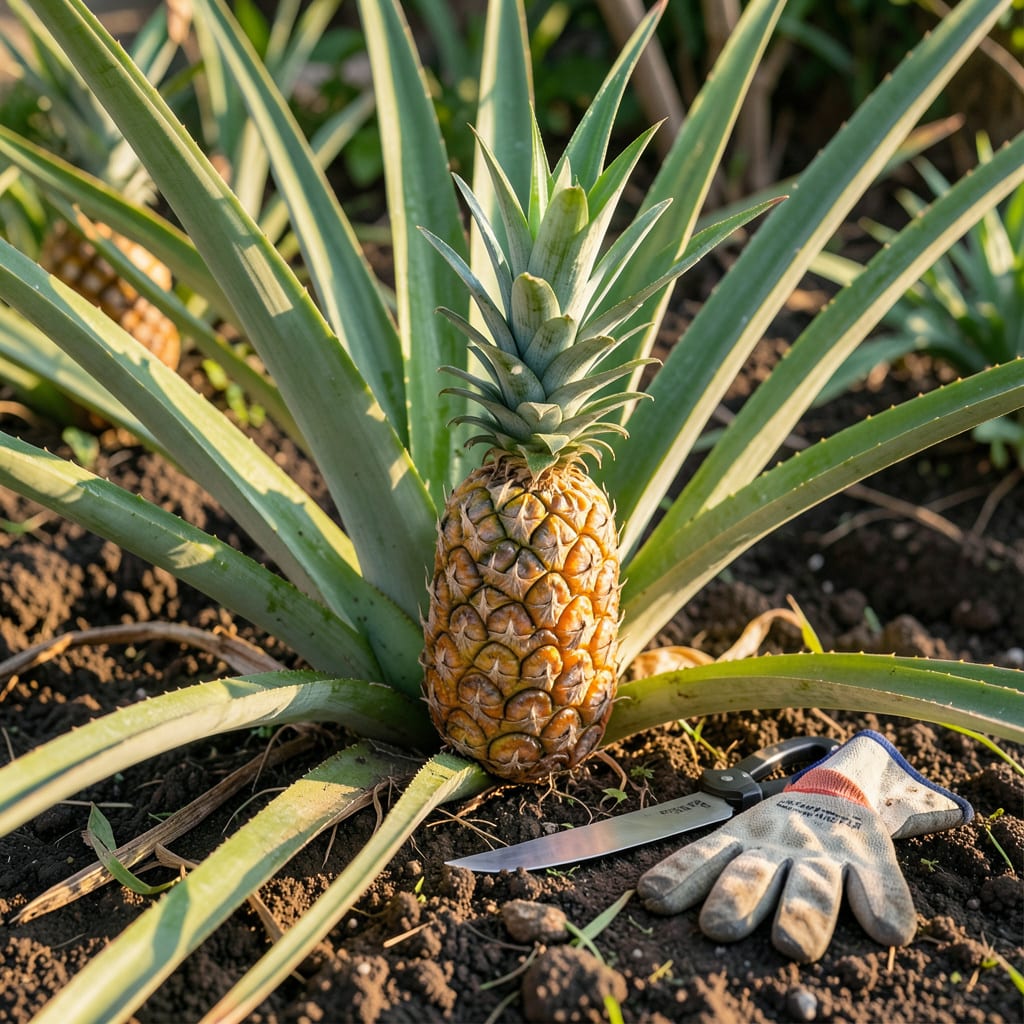
I remember the first time I grew a 🍍 Pineapple – I picked it way too early and was met with a face-puckering disappointment. Timing is everything when it comes to this tropical fruit.
After 18-24 months of patient care, knowing the exact moment to harvest ensures you’ll enjoy the sweetest reward. Let me show you the subtle signs that indicate your Pineapple is ready.


After 18-24 months of patient care, your pineapple plant will start showing clear signs it’s time to harvest. The most obvious indicator is the color change at the base of the fruit.
When the base turns golden-yellow, this is nature’s way of saying your pineapple is nearing peak ripeness. But color alone isn’t enough – I always check for additional confirmations.
| Sign | Description |
|---|---|
| Golden Base | Fruit turns yellow at base first |
| Sweet Smell | Strong sweet aroma at stem end |
| Leaf Changes | Lower leaves dry and brown |
| Size | 4-5 lbs weight, 6-8 inches tall |
The sweet smell test is my personal favorite. If you detect a strong pineapple fragrance at the base of the fruit, it’s almost certainly ready.
Another reliable indicator is the leaf condition. When the lower leaves start to dry and brown at the edges, this signals the plant is redirecting energy to the fruit.
Size matters too. A fully mature pineapple should weigh between 4 to 5 pounds and measure about 6 to 8 inches in height. Anything smaller likely needs more time.
I also gently press the fruit. A slight softness when pressed indicates ripeness, but be careful not to bruise it. The fruit should still feel firm overall.
Remember that pineapples don’t ripen further after picking, so it’s crucial to wait for these signals. In my experience, the combination of color, smell, and size gives the most reliable indication.
If you’re growing multiple plants, you might notice they don’t all ripen at once. This is normal – staggered harvesting is common with pineapples, giving you fresh fruit over several weeks.
Lastly, pay attention to the crown leaves. While they stay green, the fruit beneath is likely still developing. When they start to show signs of stress, it’s often harvest time 🌿
I’ve seen many gardeners make the same harvesting mistakes with pineapples. The most common is picking too early when the fruit is still green at the base.
A green base means the fruit hasn’t developed its full sugar content. Without that golden-yellow hue, you’re guaranteed a tart, underripe experience. Always wait for the color change.
⚠️ Harvesting Warning
Never harvest a pineapple that’s still fully green. The fruit won’t ripen after picking and will remain sour. Also avoid waiting too long—overripe pineapples develop a fermented taste and mushy texture.
Another pitfall is ignoring the sweet smell test. If there’s no aroma at the base, the fruit isn’t ready, no matter how yellow it looks. I always recommend giving it a sniff before deciding.
Some gardeners also overlook the leaf condition. If the lower leaves are still vibrant and firm, the pineapple likely needs more time. The browning of these leaves is a key signal the plant is diverting energy to the fruit.
Lastly, don’t harvest during rainy weather or when the plant is waterlogged. This can lead to rot or disease in the fruit. Choose a dry day for the best results.
By avoiding these common errors, you’ll ensure your pineapple is harvested at its peak of sweetness and flavor 🌿
Once you’ve harvested your perfectly ripe pineapple, the work isn’t over. I always start by inspecting the fruit for any damage or pests before moving to storage.
For immediate use, store your pineapple at room temperature for up to 2 days. If you need to keep it longer, the refrigerator will preserve it for about a week.
The crown propagation is my favorite part. Simply twist off the leafy crown, let it dry for a day, then plant it in well-draining soil. It’ll grow into a new plant.
Don’t discard the pineapple leaves – they make excellent compost material. I chop them up and add to my compost pile for nutrient-rich humus.
After harvesting, I recommend resting the soil for a few weeks before planting again. This helps prevent disease buildup and maintains soil health 🌱
Pineapple plants typically take 18-24 months from planting to harvest. This long growth period is why patience is key when cultivating this tropical fruit
Pineapples won’t ripen after picking. If harvested while still green, the fruit will remain tart and underdeveloped. Always wait for the golden base color to appear first
Avoid harvesting during rain or when the plant is waterlogged. This can lead to rot or disease in the fruit. Choose a dry day for the best results
Overripe pineapples develop a fermented smell and mushy texture. They may also have soft spots or leaking juice. Harvest before reaching this stage for best flavor
