
Beautiful Plants For Your Interior
Beautiful Plants For Your Interior
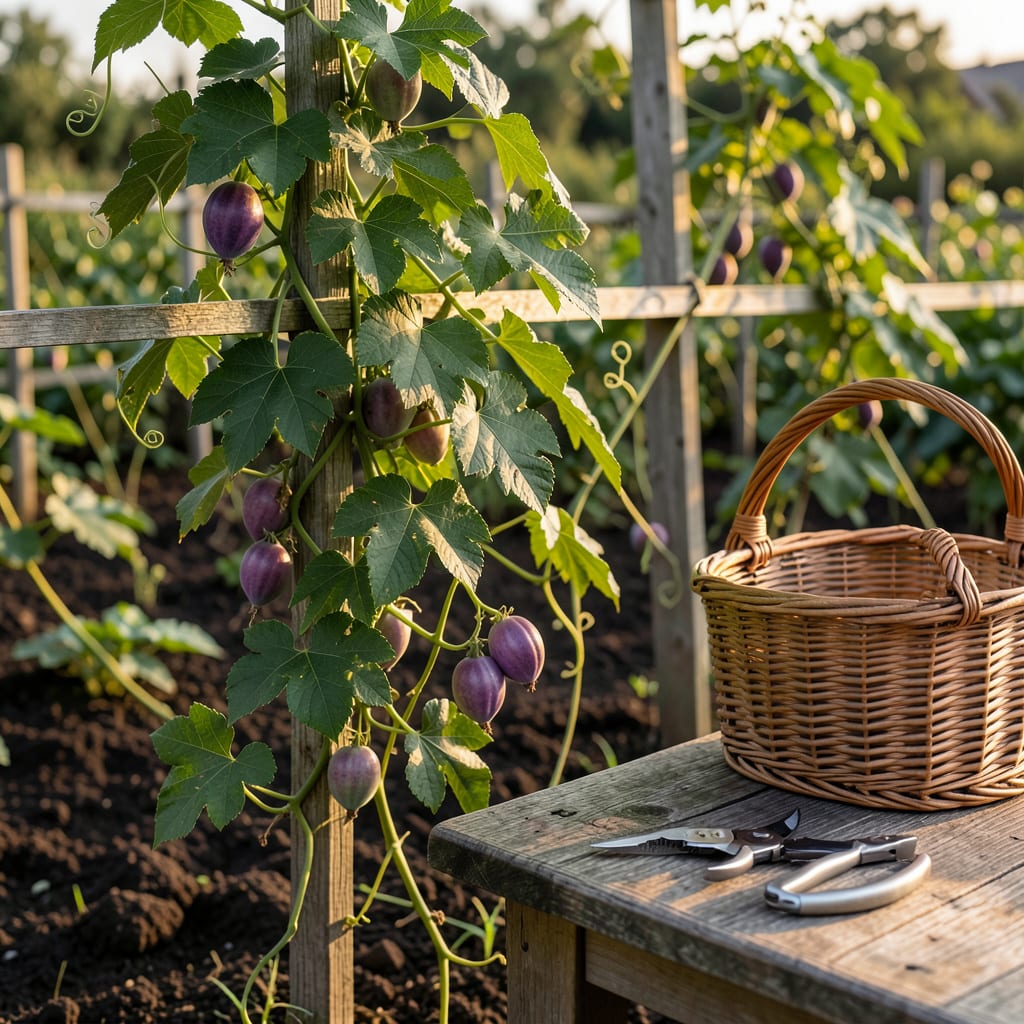
That moment when your 🧡 Passionfruit finally ripens is pure magic – but timing is everything. Picking too early means tart disappointment, while waiting too long risks a mushy mess.
I’ll show you the key visual cues and seasonal signs that guarantee perfect sweetness every time. Let’s make sure you never guess again.


I’ve learned that passionfruit doesn’t ripen all at once, so checking each fruit individually is key. The most obvious sign is color change—purple varieties deepen to near-black, while yellow types turn golden.
Another giveaway is skin texture. When the surface develops slight wrinkles, it’s a sure sign the fruit is at peak ripeness. Don’t wait for it to fall, though—this can lead to overripening on the ground.
| Variety | Color at Ripeness | Texture Cue |
|---|---|---|
| Purple Passionfruit | Deep purple-black | Slightly wrinkled |
| Yellow Passionfruit | Golden yellow | Smooth to dimpled |
| Banana Passionfruit | Pale yellow | Firm with slight give |
Weight is another reliable indicator. A ripe passionfruit will feel heavy for its size, meaning the pulp inside has fully developed. Lift a few to compare—the difference is noticeable.
For banana passionfruit, the skin stays smoother but develops a matte finish. The fruit will also emit a sweet aroma when it’s ready, which you can detect by holding it close to your nose.
If the fruit still feels light or hollow, it’s not ready. The seeds inside will be underdeveloped, and the flavor will be tart rather than sweet. Patience pays off here.
In warmer climates, passionfruit may ripen faster, so check daily during peak season. In cooler areas, the process slows, so give it an extra few days if needed.
The stem connection is another clue. A ripe fruit will detach easily with a gentle twist. If you have to pull hard, it’s not ready yet.
Remember, passionfruit continues to ripen off the vine, but it’s best to harvest when it’s just shy of full ripeness if you’re storing it. This prevents oversoftening.
Finally, trust your senses. The combination of color, texture, weight, and aroma will never steer you wrong. Once you’ve harvested a few, you’ll recognize the signs instantly.
With these tips, you’ll never wonder when to harvest passionfruit again. Each fruit will be a perfect, juicy reward for your patience and care.☀️
I see gardeners make the same harvesting mistakes with passionfruit every season. Picking too early is the most common error—those green or semi-ripe fruits will never develop their full sweetness off the vine.
Another frequent misstep is waiting for the fruit to fall naturally. While some varieties do drop when ripe, others may split or rot on the ground before you get to them.
⚠️ Harvesting Too Early or Late
Picking underripe passionfruit results in tart, seedy pulp. Leaving it too long risks overripening and spoilage. Always check color, weight, and texture first.
Leaving fruit on the vine past its prime can lead to fermentation inside the skin. The pulp becomes mushy, and the flavor turns unpleasantly sour. This is especially true in hot climates where ripening accelerates.
Some gardeners assume all fruits on a vine ripen at once. In reality, passionfruit matures staggered, so check each one individually. I recommend inspecting daily during peak harvest season.
Another mistake is ignoring the stem connection. If the fruit doesn’t detach with a gentle twist, it’s not ready. Forcing it can damage the vine and the fruit.
Finally, don’t rely on size alone. A large passionfruit isn’t necessarily ripe. Focus on the visual and tactile cues we discussed earlier for the best results.✂️
Once you’ve harvested your passionfruit, the work isn’t over. Proper handling ensures the best flavor and freshness. Start by gently cleaning the fruit with a damp cloth to remove dirt.
Store your passionfruit at room temperature for a day or two if it needs to ripen further. This allows the natural sugars to fully develop. Avoid refrigerating unripe fruit, as it halts the ripening process.
For longer storage, place ripe passionfruit in the refrigerator. This can extend its life for up to 5 days. However, the flavor is best when consumed fresh.
If you notice any fruit starting to wrinkle excessively, it’s a sign it’s overripening. Use these immediately in smoothies or desserts to avoid waste. The pulp inside will be sweeter but softer.
Always handle passionfruit with care to avoid bruising the skin. Damaged areas can lead to spoilage. With these tips, you’ll enjoy your harvest at its peak for as long as possible.☀️
Look for deep purple or golden yellow color and slightly wrinkled skin. A ripe fruit will also feel heavy for its size and detach easily with a gentle twist.
Underripe fruit will be tart and seedy, as the pulp and sugars haven’t fully developed. The seeds will be hard, and the flavor will lack sweetness.
Yes, it will continue to ripen off the vine. Store at room temperature for 1-2 days to let it fully mature. Avoid refrigerating unripe fruit.
Ripe fruit keeps in the refrigerator for up to 5 days. For best flavor, consume fresh or use overripe ones in smoothies immediately.
