
Beautiful Plants For Your Interior
Beautiful Plants For Your Interior
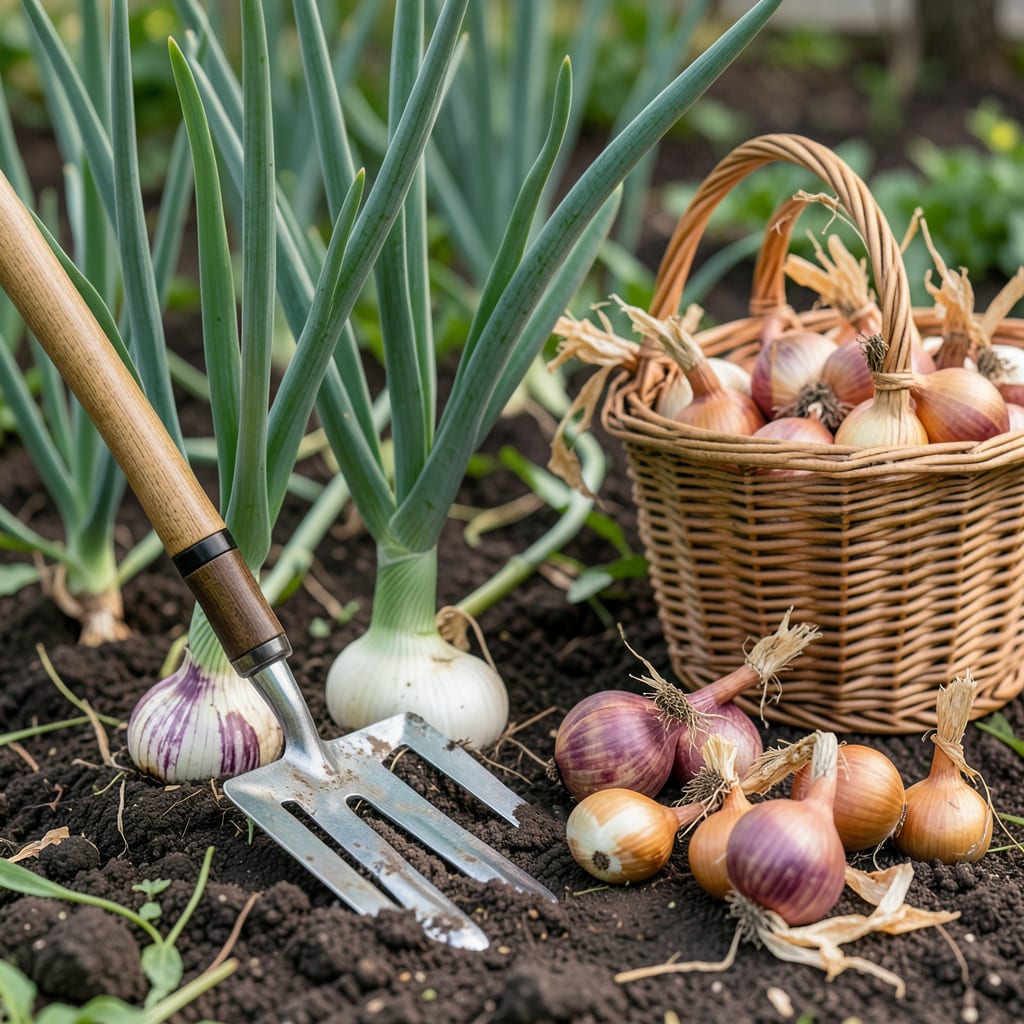
I remember my first Texas onion harvest – pulling up small, pungent bulbs when I was aiming for sweet, plump gems. Timing is everything with 🧅 onions in our unpredictable climate.
Whether you’re in North, Central, or South Texas, I’ll show you the perfect signs to watch for. From yellowing tops to papery skins, we’ll make sure your harvest is a success.


I’ve learned that timing is everything when it comes to harvesting onions in Texas. The Lone Star State’s varied climate means we need to watch for specific visual cues rather than just relying on a calendar date.
From North Texas to the Gulf Coast, the perfect harvest window depends on recognizing these key indicators in your onion plants. Let me share what I’ve discovered through years of trial and error in my own garden.
| Sign | What to Look For | Texas Tip |
| Foliage Color | Yellowing tops | Wait until 60-80% are yellow |
| Neck Condition | Soft and weak | Gently squeeze to test |
| Bulb Size | Full mature size | Check variety specs |
| Outer Skin | Papery and dry | Should rustle when touched |
| Top Falling | Natural toppling | Don’t force it! |
In my experience, the first sign is when the onion tops start to yellow and fall over naturally. This typically happens about 90-120 days after planting, depending on the variety.
I always check the neck of the onion – when it becomes soft and weak, that’s a sure sign the bulb is maturing. In Texas heat, this can happen quickly, so I inspect my plants every 2-3 days as harvest time approaches.
The outer skin should be completely dry and papery. I gently brush away some soil to check this without pulling the onion up. If it’s still moist or fleshy, I give it a few more days in the ground.
For Texas gardeners, bulb size matters too. Short-day varieties like Texas Early White should reach about 3-4 inches in diameter, while long-day types may grow larger. I measure a few sample bulbs to gauge progress.
I’ve found that morning harvests work best in Texas. The soil is cooler, making it easier to pull the onions without damaging them. Plus, it gives them time to dry in the sun before the heat of the day.
Remember, Texas weather can be unpredictable. If we’re expecting heavy rain, I’ll harvest a few days early to prevent the bulbs from splitting or rotting in soggy soil.
After pulling, I let my onions cure in the sun for a few hours before moving them to a dry, shaded area. This helps the outer skins toughen up for storage. Proper curing is just as important as perfect timing for a successful harvest.
With these signs in mind, you’ll be pulling up perfect Texas onions every time. The key is patience and close observation of your plants’ progress. ☀️
As a Texas gardener, I’ve learned our onion harvest timing varies dramatically by region. The state’s size means North Texas has a different schedule than the Gulf Coast.
In my experience, short-day varieties like Texas Early White mature faster in our southern climate, while long-day types do better up north. Here’s how I time my harvests:
| Region | Variety Type | Harvest Window | Days to Maturity |
| North Texas | Long-day | May-June | 110-130 |
| Central Texas | Short-day | April-May | 90-110 |
| South Texas | Short-day | March-April | 90-100 |
| Gulf Coast | Short-day | February-March | 80-90 |
I plant my short-day onions in fall for a spring harvest. In Central Texas, I start checking for yellowing tops around late March for my February plantings.
For North Texas gardeners, long-day varieties planted in early spring usually reach maturity by late May or June. I mark my calendar for 110 days after planting as a reminder to start checking.
In South Texas and along the coast, our milder winters allow for earlier planting and harvesting. I’ve had success pulling onions as early as February when using fast-maturing short-day varieties.
I always adjust my timeline based on weather patterns. A particularly warm winter might speed up maturity, while a late cold snap could delay it. That’s why I rely more on plant signals than strict dates.
By matching your variety to your region and watching these timelines, you’ll hit that perfect harvest window every time. 🌱
I’ve seen many Texas gardeners make simple mistakes that ruin their onion harvest. From pulling too early to improper curing, these errors can cost you that perfect crop.
After years of trial and error, I’ve learned the key pitfalls to avoid. Let me share what’s worked for me in my Texas garden.
Harvesting too early gives you small, pungent bulbs that won’t store well.
Waiting too long risks rot, splitting, or regrowth in warm Texas soil.
Improper curing leads to moldy onions that spoil quickly in storage.
Ignoring soil moisture before harvest can cause bruising or cracking.
I once pulled all my onions too early because I was eager to see results. The bulbs were small and sharp-tasting. Now I wait until at least 60% of the tops have yellowed and fallen over naturally.
Another mistake I made was leaving onions in soggy soil too long. After a heavy rain, I lost several bulbs to rot. Now I check the weather forecast and harvest before storms when possible.
I’ve also learned that proper curing is essential. I used to just pull and store, but now I let them cure in a dry, shaded spot for at least a week. This toughens the outer skin for better storage.
By avoiding these common errors, you’ll get bigger, sweeter onions that store well for months. ✂️
Watch for yellowing tops and soft necks. When at least 60% of foliage turns yellow and falls over naturally, your onions are ready.
North Texas typically harvests May-June, while Gulf Coast may be ready by February-March. Always check local signals.
You’ll get small, sharp-tasting bulbs that won’t store well. Wait for papery skins and full bulb size for best flavor.
Yes! Soggy soil can cause rot. Pull onions before heavy rain to prevent splitting or spoilage.
