
Beautiful Plants For Your Interior
Beautiful Plants For Your Interior
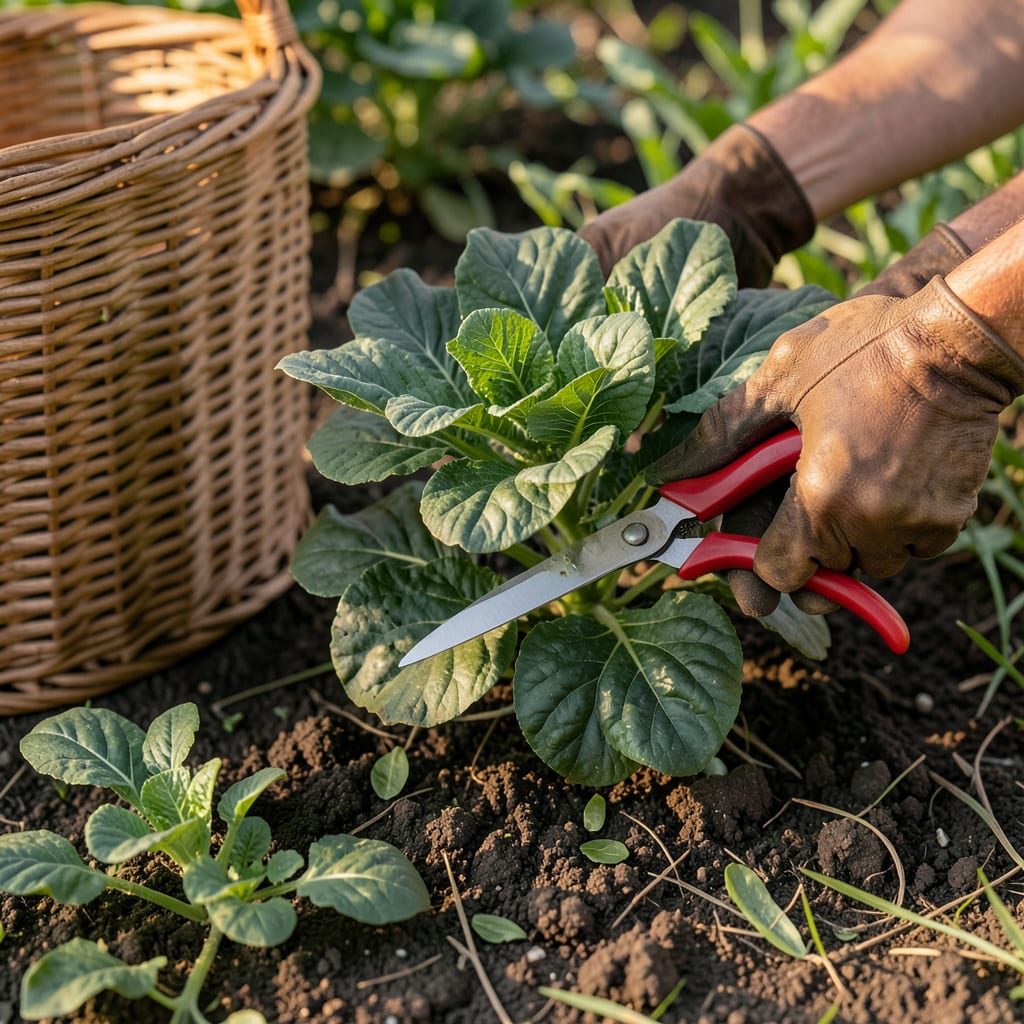
I’ve found that timing is everything when it comes to picking Mustard Greens 🥬. Picking too early or too late can make all the difference in flavor and texture.
Through my experience, I’ve learned to watch for specific visual clues that signal the perfect harvest window. Let me share what to look for so you can enjoy the best taste from your garden.


I always check for leaf size first when determining if my mustard greens are ready. The ideal length is between 6 to 10 inches, which typically occurs around 30 to 45 days after planting.
Another clear indicator is leaf color and texture. Ready leaves are a deep green and feel tender to the touch, not tough or leathery. If they snap easily from the stem, they’re perfect for picking.
| Harvest Sign | Description |
| Leaf Size | 6-10 inches long |
| Leaf Color | Deep green and vibrant |
| Texture | Tender and easy to snap |
| Plant Maturity | 6-8 mature leaves per plant |
| Stem Test | Leaves snap easily from stem |
I also look at the overall plant maturity. A healthy mustard green plant ready for harvest will have 6 to 8 mature leaves. If it has fewer than 5, it’s not quite there yet.
For baby mustard greens, you can start harvesting when leaves are just 2 to 3 inches long. These tender shoots are perfect for salads and have a milder flavor than mature leaves.
Be cautious of over-mature leaves. If they’re turning yellow or tough, they’ve likely passed their prime. The flavor also becomes more bitter as the plant ages.
I find that morning harvesting yields the best results. The leaves are most crisp and hydrated after a cool night, which enhances their texture and flavor.
Another tip: use clean, sharp scissors or your fingers to pick. This prevents damage to the plant and encourages new growth for future harvests.
If you notice flower stalks forming, it’s a sign the plant is bolting. Harvest immediately or the leaves will turn bitter. Regular picking helps delay this process.
Remember, sequential harvesting works well with mustard greens. Pick the outer leaves first, allowing the inner ones to continue growing for a continuous supply. 🌿
I’ve learned that early harvesting gives you milder, tender leaves perfect for fresh eating. These young mustard greens have a subtle peppery kick and delicate texture ideal for salads.
Waiting longer intensifies the spicy flavor and toughens the leaves. This bold taste works well for cooked dishes, but the texture becomes less suited for raw consumption.
🌱 Key Takeaway
Harvest young leaves at 2-3 inches for mild flavor and mature leaves at 6-10 inches for bold, spicy taste.
For a continuous supply, I use sequential harvesting. By picking outer leaves first, the plant keeps producing new growth from the center for weeks of fresh greens.
Timing also affects plant longevity. Regular picking prevents bolting and keeps the plant in a vegetative state, extending your harvest window significantly.
I notice that cool weather enhances flavor. Harvesting after a light frost can sweeten the leaves, reducing some of their natural bitterness.
I’ve seen many gardeners make the mistake of waiting too long to harvest their mustard greens. Over-mature leaves become tough and bitter, which ruins the eating experience.
Another common error is harvesting in extreme heat. Picking during the hottest part of the day can cause leaves to wilt quickly, reducing their freshness and flavor.
⚠️ Harvest Warning
Avoid dull tools—they can damage plants and encourage disease. Always use sharp scissors or shears.
Using dull tools is another pitfall. This can tear the leaves instead of making clean cuts, which stresses the plant and invites disease.
I always recommend morning harvesting for the best results. The leaves are most crisp and hydrated after a cool night, preserving their quality.
Finally, don’t ignore signs of bolting. If you see flower stalks forming, harvest immediately or the leaves will turn unpleasantly bitter. Regular picking helps prevent this. 🌿
Harvest when leaves reach 6 to 10 inches long for mature greens. For baby greens, pick at 2 to 3 inches for a milder taste.
Yes! Early harvesting yields milder, tender leaves. Later picking produces spicier, tougher leaves better for cooking.
Morning is ideal when leaves are crisp and hydrated. Avoid harvesting during hot afternoons to prevent wilting.
Use sequential harvesting—pick outer leaves first and let inner ones grow. This can provide fresh greens for weeks.
