
Beautiful Plants For Your Interior
Beautiful Plants For Your Interior
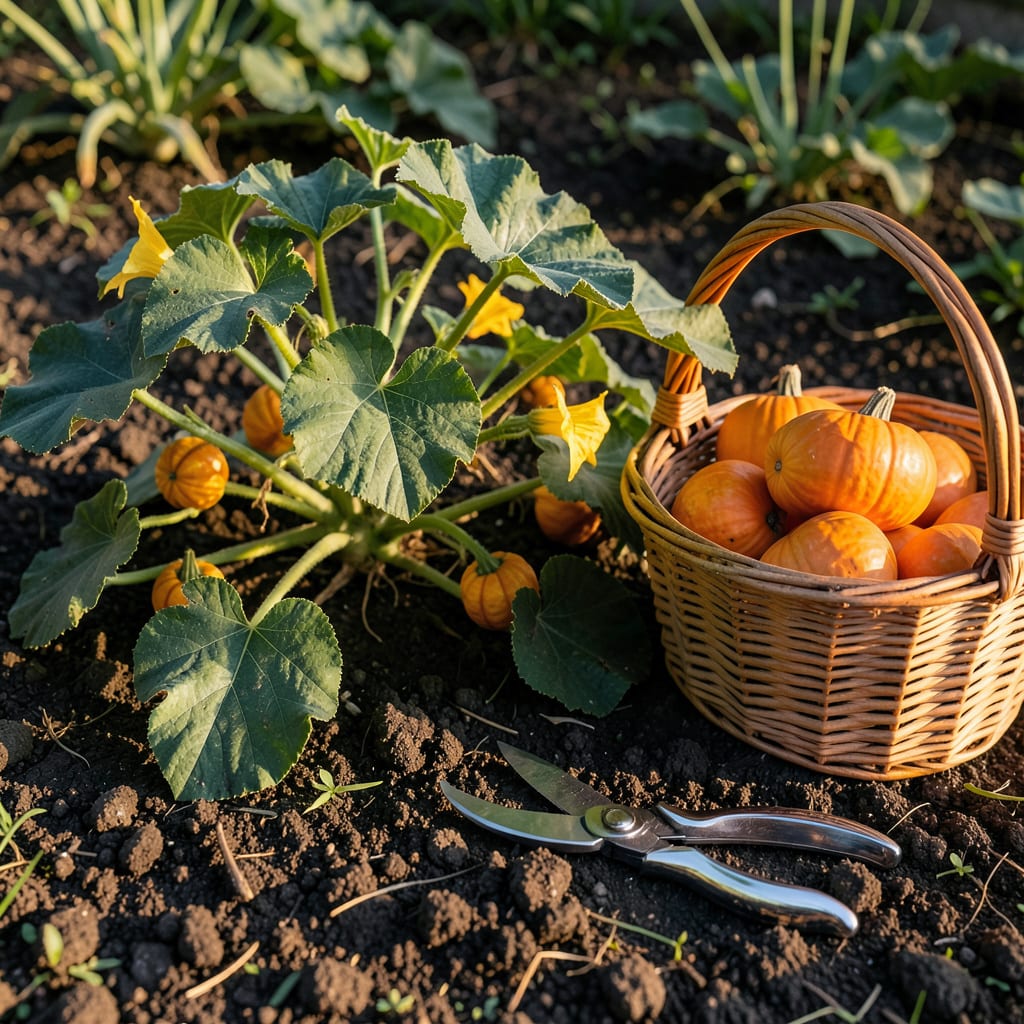
Ever struggled to find the perfect moment to pick your 🎃 Mini Pumpkins? Timing is everything when it comes to flavor and storage.
I’ll show you the simple color and stem clues that reveal when your Mini Pumpkins are ready for harvest, so you never guess wrong again.


Timing your mini pumpkin harvest perfectly starts with knowing what to look for. I’ve found that deep color and hard stems are the most reliable indicators of maturity.
Unlike their larger cousins, mini pumpkins often reach full color before they’re truly ripe. That’s why I always check the stem hardness and rind texture too. These clues never lie. 🌱
| Sign | What to Look For | Why It Matters |
|---|---|---|
| Color | Deep, solid orange or variety-specific hue | Indicates full sugar development |
| Stem | Hard and woody, not green | Shows nutrient flow has stopped |
| Rind | Firm and resistant to fingernail pressure | Proves maturity and storage potential |
| Sound | Hollow when gently tapped | Confirms internal ripeness |
I always start with the color check. Your mini pumpkin should display its mature hue all over, with no green patches. For white varieties, look for a creamy, solid color.
The stem test is my favorite. When the stem turns hard and brown, it’s a clear sign the pumpkin has stopped growing. A green stem means keep waiting.
Next, I press my fingernail into the rind. If it resists and doesn’t leave a mark, the pumpkin is ready. This test works best on a dry day for accurate results.
The sound test might surprise you. Tap the pumpkin lightly—if it sounds hollow like a drum, it’s ripe. A dull thud means it needs more time on the vine.
Don’t forget to check the vines. When they start dying back, it’s nature’s signal that harvest time is near. This often happens as fall approaches.
I’ve learned that mini pumpkins typically mature in 75-105 days, depending on the variety. Check your seed packet for the exact range.
Remember, early morning is the best time to harvest. The pumpkins are firmest then, and the vines are less stressed by heat. 🌿
After picking, I cure my mini pumpkins in the sun for a week to harden their skins. This step extends their storage life significantly.
Don’t rely on guesswork when harvesting your mini pumpkins. I use simple tests to confirm they’re fully ripe and ready for picking. These methods are foolproof and take just minutes.
The fingernail test is my go-to. Press your nail into the pumpkin’s rind. If it resists and doesn’t leave a mark, it’s ready. A soft rind means it needs more time. ✂️
Another reliable method is the weight check. A ripe mini pumpkin will feel heavy for its size. This indicates the flesh inside is dense and full of moisture.
I also compare the pumpkin’s color to its variety’s expected mature shade. For example, Jack Be Little should be deep orange, while White Ghost turns cream-white. Variety matters!
Avoid common mistakes like harvesting after rain or dew. Wet pumpkins can develop rot or mold during storage. Always pick on a dry day for best results.
If you’re still unsure, try the sound test again. A hollow sound means it’s ready, while a dull thud suggests it needs a few more days on the vine. 🌱
Harvesting your mini pumpkins at the wrong time can ruin months of care. I’ve seen underripe pumpkins shrivel in storage, while overripe ones split open before I could use them.
Picking too early means the sugar content hasn’t fully developed. These pumpkins will taste bland and won’t store well. Their rind stays soft, making them prone to bruising and rot.
| Timing | Problem | Solution |
|---|---|---|
| Too Early | Soft rind, poor flavor | Wait for hard rind and deep color |
| Too Late | Splitting, mold risk | Harvest at first vine dieback |
Leaving pumpkins on the vine too long brings other issues. Overripe mini pumpkins may develop soft spots or even split. Their seeds become overgrown, and the flesh turns stringy.
I’ve learned to watch for vines dying back as my cue. When the main vine starts to yellow and wither, it’s time to check all pumpkins for ripeness. This usually happens in late September or early October.
If you do harvest too early, all isn’t lost. I cure these pumpkins in a warm, dry place for a week. This won’t fully develop their flavor, but it helps harden the rind for better storage. 🌱
Check for a hard rind that resists fingernail pressure and a deep, solid color all over. The stem should be dry and woody, not green.
Yes, overripe ones may split or develop soft spots. Harvest when vines start dying back, usually in late September or early October.
Early morning is ideal when pumpkins are firmest. Avoid harvesting after rain or dew to prevent rot during storage.
Tap the pumpkin—if it sounds hollow like a drum, it’s ready. Also try the weight check: ripe ones feel heavy for their size.
