
Beautiful Plants For Your Interior
Beautiful Plants For Your Interior
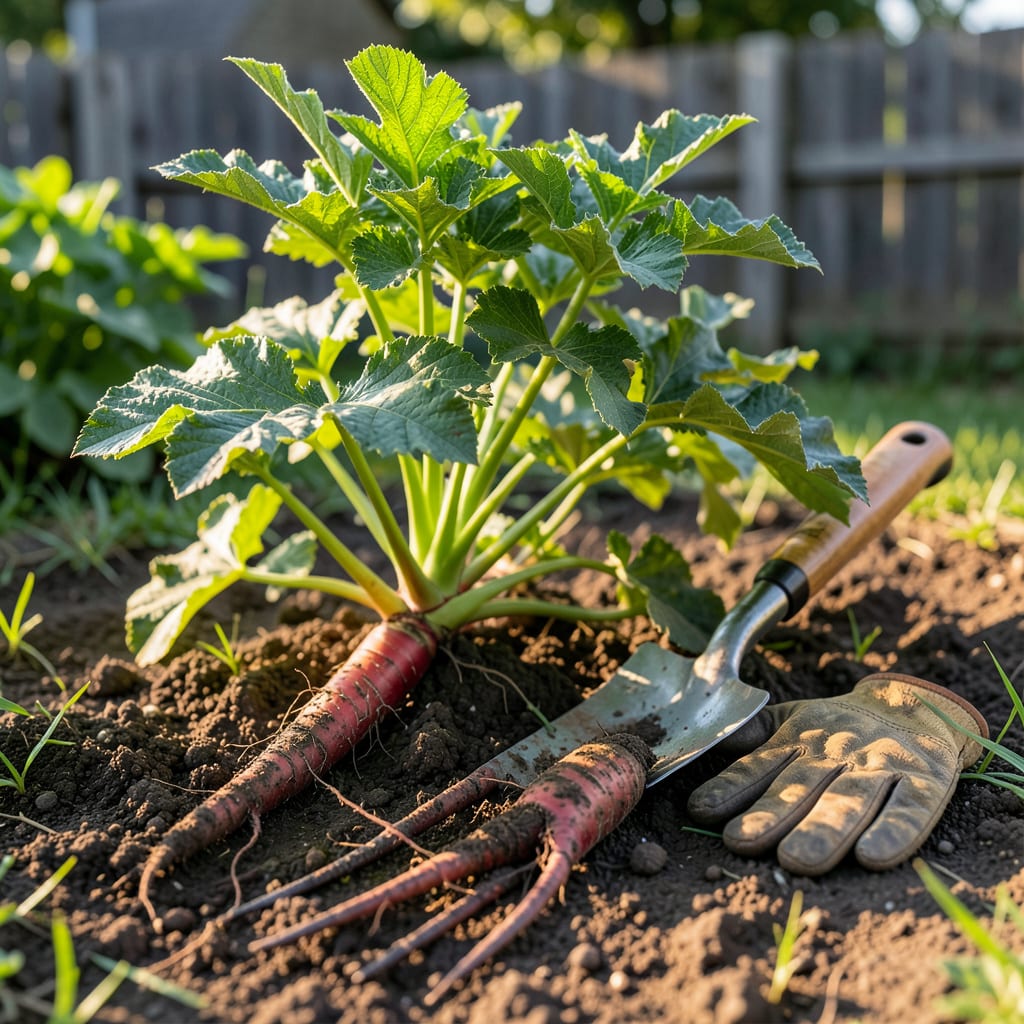
I’ve learned the hard way that pulling 🌱 Horseradish too soon gives you nothing but disappointment. That fiery kick we love only develops at the right moment.
After years of trial and error, I’ve discovered the perfect timing that turns bland roots into flavor powerhouses. Let me show you exactly when to dig for maximum zing.


I always watch for yellowing leaves as the first sign my horseradish is nearing harvest time. This visual cue means the plant is redirecting energy to its roots, where all that signature heat develops.
The first light frost is nature’s perfect signal in most climates. That cold snap triggers chemical changes that intensify flavor and make roots more pungent. I’ve noticed the difference is dramatic compared to early harvests.
| Sign | Description |
|---|---|
| Leaf color change | Leaves turn yellow or brown |
| Root size | At least 6-8 inches long |
| Aroma test | Strong pungent smell when scratched |
| Growth slowdown | Top growth stops or slows |
I recommend the scratch-and-sniff test for absolute certainty. Gently scratch the root near the soil line—if you get that eye-watering horseradish aroma, it’s definitely ready to come up.
In my experience, root diameter matters more than length. A thick, 1-2 inch wide root will give you far better yield than a long, skinny one. This thickness develops as the plant matures through the season.
The 150-day mark from planting is another good benchmark. While you can harvest as early as 120 days, waiting those extra weeks lets the roots develop their full potency.
I’ve found that cool fall temperatures between 40-60°F produce the most flavorful roots. The plant’s natural response to cooling weather is to concentrate its volatile oils.
Don’t wait until a hard freeze though. While light frost improves flavor, a deep freeze can damage the roots. I aim to dig my horseradish within 2-3 weeks after the first frost.
For spring-planted horseradish, I mark my calendar for harvest in late fall. Fall-planted roots are ready the following spring or early summer, depending on your climate.
Remember that horseradish leaves dying back completely is the final sign. At this point, the plant has put all its energy into the root, giving you the most robust flavor possible. 🌱
I’ve found that cold climates (USDA zones 3-5) produce the most flavorful horseradish after the first hard frost. That cold shock really brings out the heat we love in this root.
In moderate climates (zones 6-7), I wait until late fall when temperatures consistently drop below 50°F at night. The plant’s natural response to cooling creates that signature kick.
For warm climates (zones 8-9), I adjust my timing to winter months. Without frost, I rely on the leaf dieback signal instead. The plant still develops its full flavor, just on a different schedule.
I’ve noticed that spring-planted horseradish in cold zones needs the full 150-180 days to mature. In warmer areas, you can sometimes harvest a bit earlier, around 120-150 days from planting.
The frost effect is particularly important for strong flavor. In areas without frost, I recommend reducing water in late fall to stress the plant slightly, which can intensify the roots’ pungency.
Remember that horseradish is a perennial in most zones. I always leave some roots in the ground for next year’s crop, harvesting only what I need. This ensures a continuous supply without replanting. 🌱
I’ve seen too many gardeners harvest too early and end up with weak, underdeveloped roots. Patience is key—wait for those yellowing leaves and 6-8 inch roots before digging up your crop.
Another common error is damaging the roots during harvest. I always use a garden fork and work carefully around the plant to avoid piercing the roots, which can lead to rot in storage.
Harvesting too early results in weak, woody roots with little flavor.
Using a shovel can slice through roots—always use a fork instead.
Leaving roots in ground too long may cause them to become tough and fibrous.
I’ve also learned that ignoring soil conditions can make harvesting harder. I always loosen the soil around the plant with water the day before digging to make extraction easier and reduce root damage.
Many gardeners forget that horseradish is perennial. If you want next year’s crop, leave some root pieces in the ground. I
Finally, don’t wash roots immediately after digging. I let them dry for a few hours, then brush off excess soil before storing. This prevents moisture-related issues during storage. 🌱
Harvesting too early results in weak, woody roots with little flavor. The yellowing leaves indicate the plant has redirected its energy to the roots, where the signature heat develops.
It’s not ideal. Summer harvests often yield mild, underdeveloped roots. For maximum pungency, wait until fall or winter when cool temperatures trigger the plant’s natural flavor enhancement.
Use the scratch-and-sniff test. Gently scratch the root near the soil line—if you detect a strong, eye-watering aroma, it’s ready. This method is more reliable than just checking size or leaf color.
Yes, horseradish is a hardy perennial in most zones. Leaving some roots in the ground ensures next year’s crop. Just be sure to harvest before a hard freeze to avoid damage.
