
Beautiful Plants For Your Interior
Beautiful Plants For Your Interior
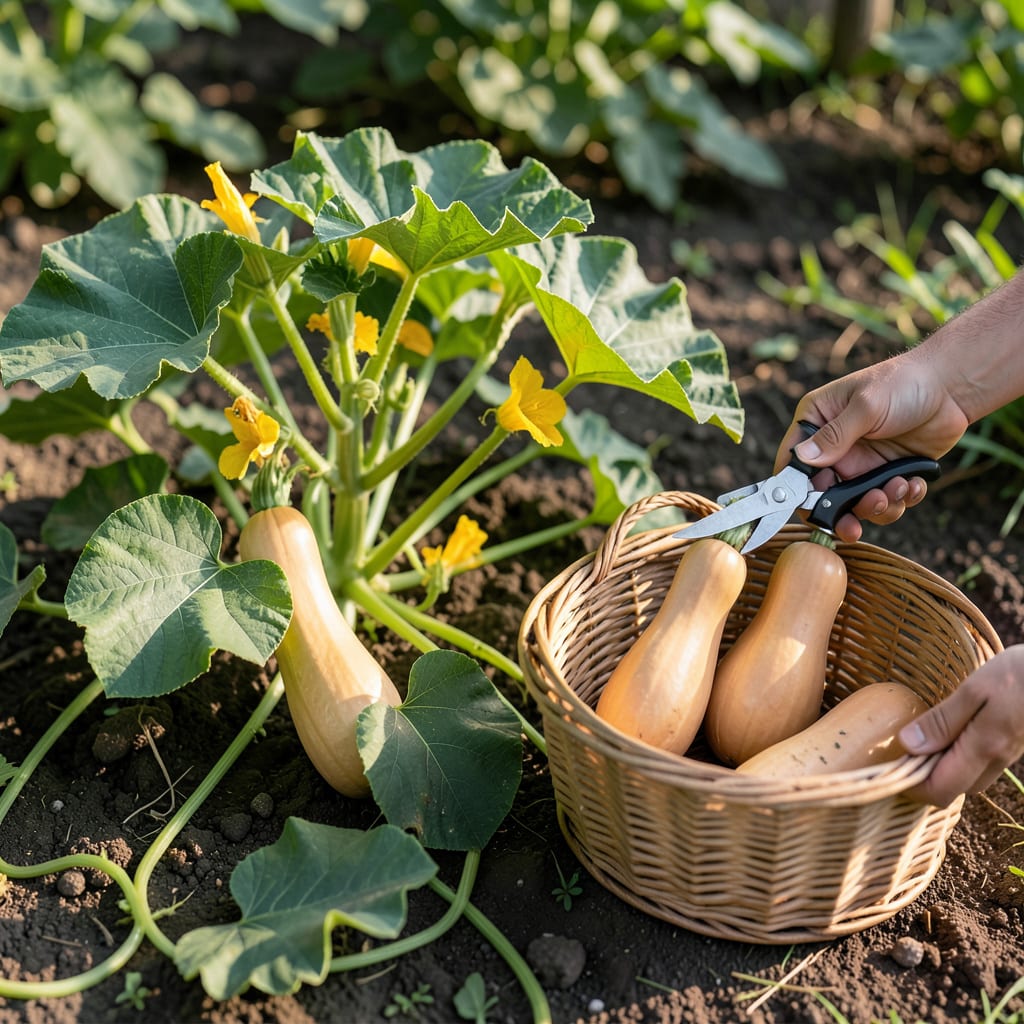
Timing your harvest perfectly can turn a good crop into an exceptional one. With 🎃 Honeynut Squash, the difference between underripe and perfectly sweet often comes down to just a few days.
I’ll show you the subtle rind and stem clues that signal your squash is ready. These simple checks ensure you pick at peak flavor every time.


The rind color is your first visual clue. Early on, it’s a pale green that gradually deepens to a rich tan or orange hue as the squash matures. This color shift signals the starches are converting to sugars inside. 🌱
I always check the rind hardness with my fingernail. If it resists scratching, your honeynut squash is likely ready. A soft rind means it needs more time on the vine to develop its signature sweetness. 🌿
| Rind Indicator | What It Means |
|---|---|
| Pale green | Needs 2-3 more weeks |
| Deep tan/orange | Peak ripeness achieved |
| Hard to scratch | Ready to harvest |
| Glossy finish | May need 1 more week |
| Matte finish | Fully mature |
The finish of the rind matters too. A glossy surface often means the squash isn’t quite ready, while a dull matte finish indicates full maturity. This change happens as the squash stops taking up moisture from the vine. ☀️
I’ve found that color uniformity is another good indicator. When the entire squash has turned that deep tan color, with no green patches, it’s a strong sign the sugars have fully developed throughout the flesh.
The weight test works well too. A ripe honeynut squash will feel heavy for its size. Compare two similar-sized squash – the heavier one is usually more mature. This density comes from the accumulated sugars and starches.
Don’t overlook the vine connection. As the squash ripens, the vine will start to die back slightly. This is natural – the plant is redirecting its energy to the fruit’s final maturation stage.
I recommend checking your squash every 2-3 days once they start changing color. The window between perfectly ripe and overripe can be surprisingly short, especially in warm weather.
Remember that early morning is the best time to harvest. The squash will be at its firmest and the sugars most concentrated after a cool night. This timing helps preserve the quality during storage too.
Finally, trust your senses. The combination of deep color, hard rind, and heavy feel rarely lies. When all three align, you can be confident your honeynut squash is at peak perfection. 🪴
While the rind gives visual clues, I’ve found the stem test to be the most reliable indicator. As your honeynut squash matures, the stem will change from green and flexible to dry and woody. 🌱
I always check the stem’s attachment point. When it starts to separate slightly from the vine, that’s nature’s signal that the squash is ready to be picked. This change happens as the plant stops sending nutrients to the fruit.
⚠️ Warning: Never carry honeynut squash by the stem. It can break, creating an entry point for rot-causing bacteria during storage.
I recommend using pruning shears to cut the stem, leaving about 1-2 inches attached to the squash. This extra stem length helps prevent moisture loss during storage and gives you something to hold without touching the fruit.
The stem’s color change is another clear sign. It will shift from bright green to a dull brown as it dries. This transformation typically occurs when the rind has reached its mature color and hardness. ☀️
I’ve learned to avoid harvesting when the stem is still soft and green. Picking too early means the sugars haven’t fully developed, and the squash won’t store as well. Patience at this stage always pays off.
Remember that the stem test works best when combined with the rind checks. When both the rind is hard and the stem is dry, you can be absolutely confident your honeynut squash is ready for harvest. 🪴
Once you’ve picked your honeynut squash, the curing process is crucial for long-term storage. I cure mine in a warm, dry place at about 80-85°F for 7-10 days. This helps harden the skin and heal any minor scratches. 🌱
The ideal storage spot is cool and dark, around 50-55°F with low humidity. A basement or root cellar works perfectly. Properly cured and stored honeynut squash can last 2-3 months or even longer. 🌿
I always inspect my squash before storing. Look for any soft spots or bruises that might lead to spoilage. These should be used first, as they won’t keep as long as perfect specimens. ☀️
For the best results, I space out the squash so they aren’t touching each other. This prevents moisture buildup and reduces the risk of rot spreading between them. Newspaper or straw between layers works well.
Remember that properly harvested and cured honeynut squash will actually improve in flavor over the first month of storage. The starches continue converting to sugars, making them sweeter and more delicious with time.
Look for a deep tan or orange hue all over. Any green patches mean it needs more time on the vine to develop sweetness.
The stem should be dry, woody, and starting to separate from the vine. A green, flexible stem means the squash isn’t mature yet.
Picking before the rind hardens results in bland flavor and poor storage. The starches need time to convert to sugars.
A light frost won’t hurt mature squash, but harvest immediately after. Freezing temperatures will damage the fruit.
