
Beautiful Plants For Your Interior
Beautiful Plants For Your Interior
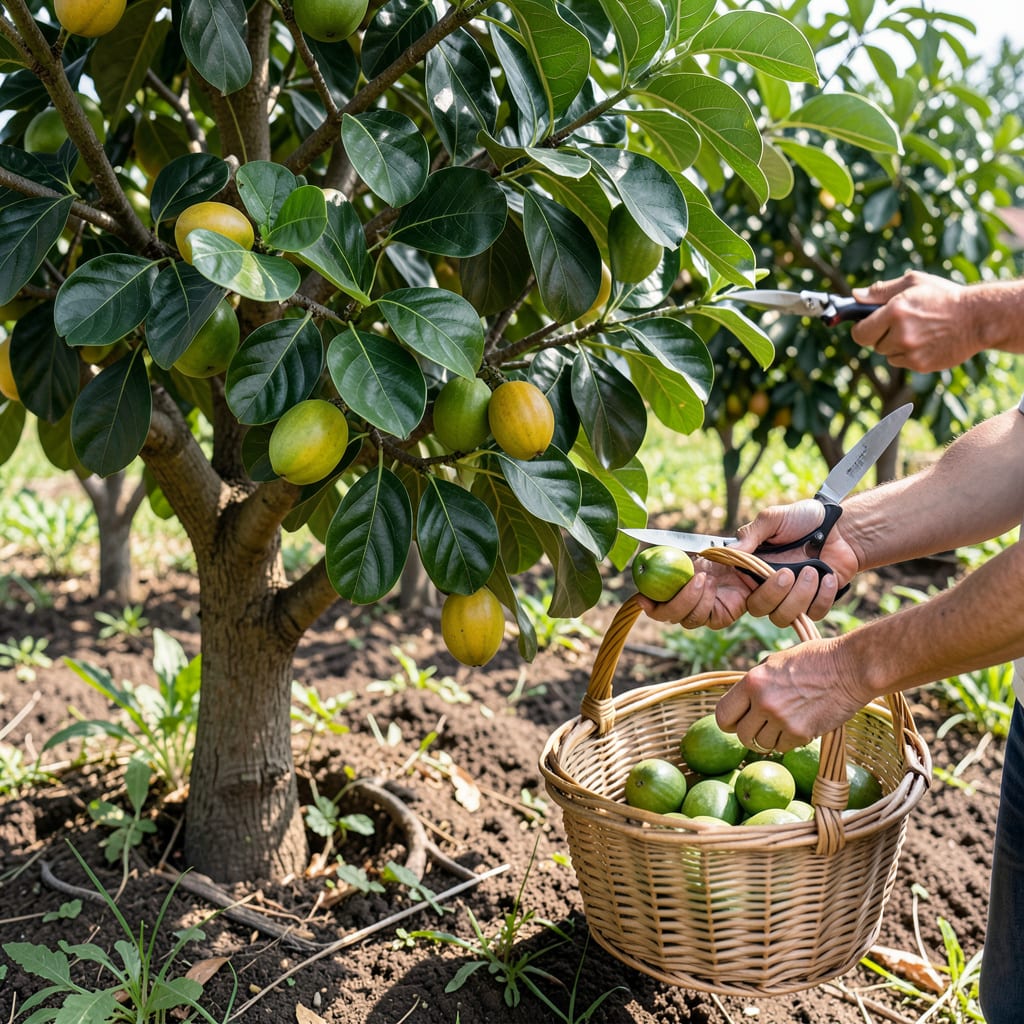
Nothing beats the taste of a perfectly ripe 🍈 guava, but picking it too soon can leave you with a disappointing, tart bite. Timing is everything with this tropical fruit.
I’ll show you how to spot the telltale signs of ripeness—from color shifts to sweet aromas—so you can harvest your guava at its peak. Let’s make every pick count.


Harvesting guava at the right moment ensures the best flavor and texture. Unlike some fruits, guavas won’t ripen further after picking, so timing is critical. I’ve found that color changes are the first clue to watch for.
The most common sign is the skin transitioning from deep green to yellow, pink, or light green, depending on the variety. For example, Mexican Cream guavas turn creamy yellow, while Strawberry guavas develop a pinkish hue. ☀️
| Variety | Ripe Color | Size at Maturity |
|---|---|---|
| Mexican Cream | Creamy yellow | 3-4 inches |
| Strawberry Guava | Pinkish-red | 1-2 inches |
| Tropical White | Light green | 2-3 inches |
| Red Malaysian | Deep red | 2-3 inches |
Another key indicator is the fruit’s size. Most guava varieties reach their full mature size before ripening, so if it’s stopped growing, it’s likely ready. I always check for a slight softness when gently squeezed—this means it’s perfect for picking.
For first-time growers, it’s easy to confuse immaturity with ripeness. If the guava is still hard as a rock, it’s not ready. A ripe guava will yield slightly under gentle pressure, much like a ripe avocado. 🌱
The skin texture also changes as guavas ripen. You’ll notice the surface becomes smoother and slightly waxy, losing its initial roughness. This is especially true for tropical varieties, which often have a glossier appearance when ready.
If you’re growing multiple varieties, keep in mind that climate and region can affect ripening times. In warmer zones like USDA 9-11, guavas may ripen faster, while cooler areas might need a bit more patience. Always adjust based on your local conditions.
I’ve found that checking the seeds can be a foolproof method. Cut open a test fruit—if the seeds are dark and hard, the guava is ripe. If they’re still white or soft, give it more time on the tree. ✂️
Finally, remember that guavas ripen unevenly on the tree. It’s normal to have some fruits ready while others need more time. I recommend checking daily once you notice the first signs of color change to catch each one at its peak.
By combining these visual cues with a bit of patience, you’ll master the art of harvesting guavas at the perfect moment every time. 🌿
While visual signs are helpful, I rely on scent and touch to confirm my guavas are truly ready. A ripe guava emits a strong, sweet aroma that’s hard to miss. If you don’t smell anything, it’s not ready yet.
I always recommend the sniff test—hold the fruit close to your nose. A mature guava will have a musky, tropical fragrance that signals peak ripeness. This scent intensifies as the fruit approaches its prime. 🌱
Gently squeeze the guava—if it yields slightly, it’s ripe. If it’s rock hard, leave it on the tree for a few more days.
The touch test is another reliable method. A perfectly ripe guava should give just a little when pressed, similar to a ripe peach. Avoid fruits that feel too soft, as they may be overripe.
For first-time growers, it’s easy to mistake firmness for ripeness. I’ve learned that gentle pressure is key—don’t squeeze too hard, or you’ll bruise the fruit. Practice makes perfect with this technique. ☀️
If you’re still unsure, try the seed check. Cut open a guava and examine the seeds inside. If they’re dark and hard, the fruit is ready. White or soft seeds mean it needs more time.
Remember, guavas won’t ripen after picking, so it’s better to wait a little longer than to harvest too soon. Trust your senses—scent, touch, and sight will guide you to the perfect pick every time. 🌿
Picking your guava at the right stage depends on how you plan to use it. I’ve learned that slightly underripe fruits work best for preserves or cooking, while fully ripe ones are ideal for fresh eating.
For cooking or jams, harvest guavas when they’re firm but starting to show color changes. These hold their shape better during processing. If you’re making guava paste, pick them just as they begin to soften. 🌱
If you’re aiming for maximum sweetness, wait until the guava is fully ripe and emits a strong aroma. These are perfect for eating fresh or juicing. The flesh will be softer, but the flavor is unmatched. ☀️
For storage, I recommend harvesting slightly early if you need the fruit to last. Guavas picked at the mature green stage can ripen off the tree, but they won’t develop the same depth of flavor as tree-ripened ones.
Remember that guavas bruise easily, so handle them with care, especially when fully ripe. Store them in a cool, dry place and use within 3-5 days for the best taste. ✂️
By understanding these stage-specific uses, you can make the most of your guava harvest, whether for immediate enjoyment or preserving the tropical flavor for later. 🌿
Overripe guavas feel too soft and may have wrinkled skin. The aroma becomes overly strong, and the flesh inside turns mushy. Always check for these signs before harvesting.
The stem area often changes color first. When the area around the stem turns yellow or light green, it’s a good sign the fruit is nearing ripeness. Inspect this spot daily as harvest time approaches.
Harvest in the early morning when temperatures are cool. This helps preserve the fruit’s freshness and prevents bruising. Avoid picking during the heat of the day.
Yes, but flavor won’t be as good as tree-ripened fruit. Pick when color change begins, then place in a paper bag with a banana to speed ripening. Expect milder taste compared to fully ripe tree fruit.
