
Beautiful Plants For Your Interior
Beautiful Plants For Your Interior
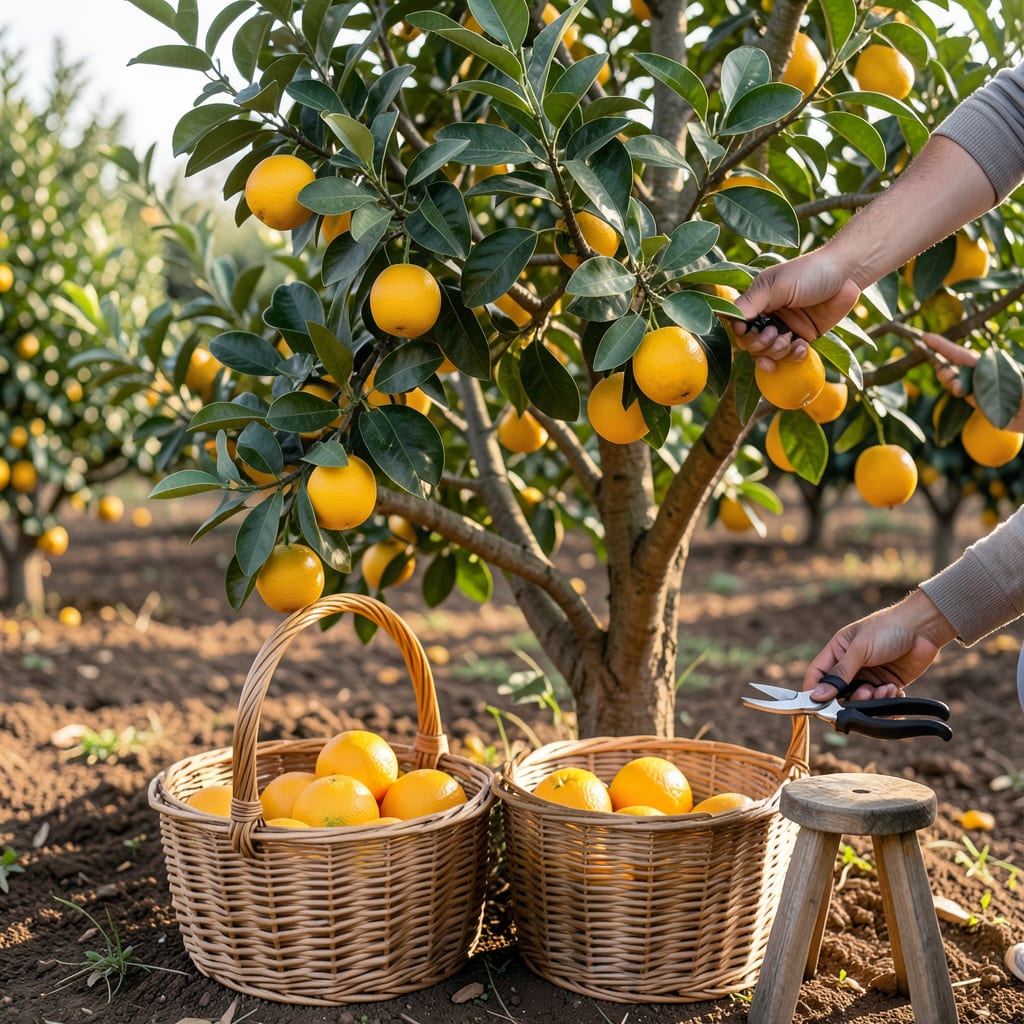
Knowing exactly when to harvest 🍊 Grapefruit can mean the difference between tart disappointment and sweet, juicy perfection. Timing is everything.
Your tree gives clear signals if you know what to look for. I’ll show you the color and firmness clues that guarantee you’ll pick at peak ripeness every time.


I’ve found that the easiest way to tell if a grapefruit is ready is by checking its color first. Depending on the variety, a ripe grapefruit will transition from green to yellow, pink, or even a reddish hue. This change is your first clue that the fruit is nearing its peak.
However, color alone isn’t always reliable. Some grapefruits may look ready but still need more time. That’s why I always pair color checks with a gentle squeeze test. A ripe grapefruit should feel heavy for its size and slightly soft when pressed.
| Variety | Color at Ripeness | Size Benchmark |
|---|---|---|
| White Grapefruit | Pale to bright yellow | 4-6 inches diameter |
| Pink Grapefruit | Blush pink to deep red | 4-7 inches diameter |
| Red Grapefruit | Deep red or reddish-orange | 4.5-6 inches diameter |
For white grapefruit, I look for a bright yellow skin. If it’s still green, it’s not ready. Pink and red varieties will have a rosy blush or deep color, but the flesh inside is the true indicator of ripeness.
Another trick I use is the skin texture test. A ripe grapefruit has a smooth, glossy skin. If it feels rough or dull, it’s likely underripe. The weight test is also crucial—ripe fruit feels heavier than it looks due to the juice content.
I’ve learned that size matters too. Most grapefruits reach their full size before they’re fully ripe, so don’t pick them just because they look big. Wait until they meet the color and weight criteria as well.
If you’re still unsure, taste-test one from the tree. Grapefruits won’t ripen further once picked, so if it’s tart, the others likely need more time. I always pick from different parts of the tree to check for consistency.
The branch test is another good indicator. Ripe grapefruits often separate easily from the branch with a gentle twist. If it’s hard to pick, it’s probably not ready. This method works best for mature trees with healthy fruit.
In my experience, climate affects ripening. In warmer zones like Florida or Texas, grapefruits may ripen earlier. Cooler areas might need to wait until the later months of the harvest window. Always adjust based on your local weather patterns.
Finally, remember that grapefruits can stay on the tree for months after ripening. If you’re not ready to harvest, leave them be—they’ll hold their flavor and won’t spoil quickly. But once picked, store them in a cool, dry place to maintain freshness. ☀️
I’ve learned that grapefruit harvest timing varies significantly by region and climate. In USDA zones 9-11, where grapefruit thrives, the harvest window spans from November to May. But the exact months depend on your local conditions.
In Florida and Texas, the season typically starts in October or November and runs through June. The warm, humid climate speeds up ripening, so I check my trees early. California and Arizona, with their drier climates, often see peak harvest from December to April. ☀️
Florida: Oct-Jun | Texas: Nov-May | California/Arizona: Dec-Apr
I always monitor weather patterns closely. A warm fall can accelerate ripening, while a cool spring might delay it. In my experience, grapefruits develop sweeter flavors after a few cold snaps, but avoid harvesting during freezing temperatures.
For home gardeners, I recommend starting checks in early fall. Look for the color and firmness clues we discussed earlier. In cooler zones, you might need to wait until late winter for the best flavor. The fruit’s sugar content increases as it stays on the tree longer.
I’ve noticed that grapefruits on the south side of the tree often ripen first due to maximum sun exposure. Always sample from different branches to gauge overall readiness. And remember, one tree can have fruit at different ripeness stages simultaneously. 🌳
Finally, if you’re in a marginal climate zone, consider using frost protection like blankets or heaters. This extends your harvest window and prevents cold damage to the fruit. The effort is worth it for that perfectly ripe grapefruit every time.
I’ve seen many gardeners make the mistake of harvesting grapefruit too early, thinking size alone means ripeness. A large green fruit is still underripe and will be tart and dry. Always check color and firmness first.
Another common error is ignoring the squeeze test. If the fruit feels light for its size or too hard, it’s not ready. I always compare the weight of similar-sized fruits to judge ripeness accurately.
Picking too early, harvesting after rain, or storing improperly can ruin your grapefruit crop. Always wait for full color and heavy feel.
Harvesting after heavy rain is another misstep. The excess water can dilute the sugar content, leading to bland-tasting fruit. I wait at least 2-3 days after rain before picking.
Many forget that grapefruits don’t ripen off the tree. Unlike some fruits, they won’t get sweeter after picking. If it’s not ripe on the tree, it won’t improve in your kitchen.
Finally, improper storage can waste a good harvest. Store grapefruits in a cool, dry place away from direct sunlight. They’ll keep for 2-3 weeks at room temperature or longer refrigerated. 🌿
Check the color—ripe fruit turns yellow, pink, or red depending on variety. Then do a squeeze test: it should feel heavy for its size and slightly soft. The skin will be smooth and glossy too.
No, grapefruit won’t ripen further after harvesting. Unlike bananas or avocados, they only develop flavor while on the tree. If picked too early, they’ll stay tart.
In Florida, harvest typically runs from October to June. The peak sweetness often comes after cold snaps in winter months, but you can start checking as early as fall.
Bitterness can come from harvesting too early or after heavy rain. Wait 2-3 days post-rain for sugar levels to recover. Also, some varieties are naturally more bitter.
