
Beautiful Plants For Your Interior
Beautiful Plants For Your Interior
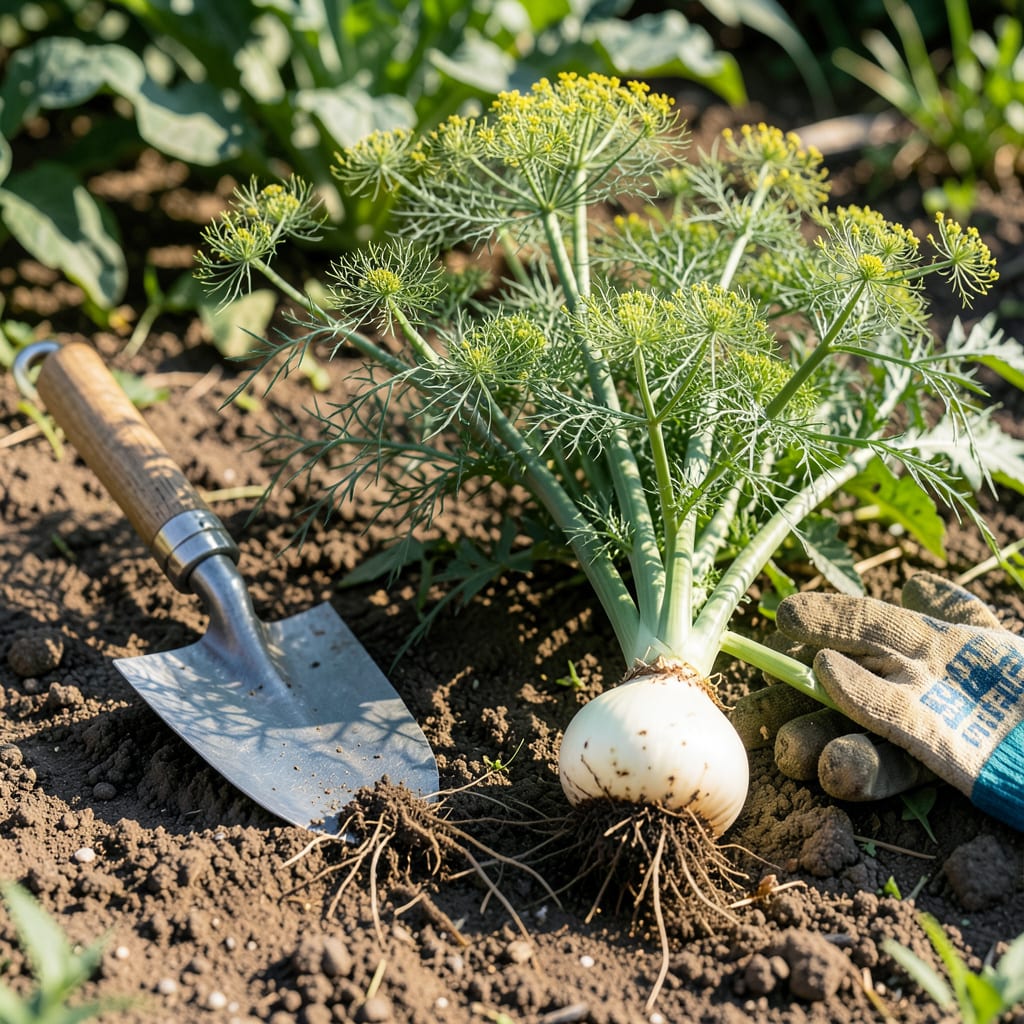
That perfect moment to pick your 🌿 Fennel arrives when the bulb swells to tennis ball size and the fronds stand tall and vibrant. It’s a subtle transformation that’s easy to overlook if you’re not paying close attention.
I’ve learned that timing is everything with this plant. Harvest too early and you’ll miss out on that sweet, crisp flavor. Let me show you exactly what to look for so you don’t make the same mistakes I did.


Knowing when to harvest fennel bulb starts with watching for the swollen base. I check mine daily once the plant reaches 70-90 days after planting. The transformation is subtle but unmistakable 🌱
The bulb size is your first clue. When it reaches 2-4 inches in diameter—about the size of a tennis ball—it’s nearing peak maturity. Anything smaller and you risk a weak flavor.
| Sign | Description |
|---|---|
| Bulb Size | 2-4 inches diameter |
| Firmness | Hard and crisp texture |
| Frond Color | Vibrant green and lush |
| Bulb Position | Slightly above soil line |
Next, test the bulb’s firmness. Gently squeeze the base—it should feel hard and crisp, not soft or spongy. A firm bulb means the plant has stored enough nutrients for that signature sweetness.
The feathery fronds also tell a story. When they’re lush and green, your fennel is thriving. If they start yellowing, you may have waited too long. I once left mine a week past prime and the flavor turned bitter.
Look for the bulb sitting slightly above the soil line. This exposure helps the base thicken properly. If it’s still buried, give it a few more days. Patience here pays off with a more developed flavor.
Timing matters too. Fennel typically reaches maturity in 70-90 days, depending on the variety. I mark my calendar at 80 days and start checking daily. Early varieties may finish faster.
The white base of the bulb is another indicator. As it matures, the lower portion should turn a clean white. Any green streaks mean it needs more time. This color change signals the plant has redirected energy to bulb formation.
Don’t forget the weather conditions. I avoid harvesting during extreme heat or right after heavy rain. The bulbs are most crisp when the soil is moderately dry. Early morning is ideal for the best texture.
Finally, trust your instincts. If most signs point to readiness but one seems off, wait another day. I’ve found that fennel forgives a slight delay better than an early harvest. The reward is a sweeter, crunchier bulb worth the wait 🌿
Harvesting fennel bulb at the right moment preserves its delicate texture. I always use a sharp garden knife to make a clean cut at soil level. This prevents bruising the tender base 🌱
First, water the plant lightly the day before harvesting. This helps loosen the soil and makes removal easier. Avoid soaking it, as soggy soil can lead to a muddy bulb.
Gently brush away soil from the bulb before cutting. This gives you a clearer view of the base and helps avoid accidentally slicing into the root system. I learned this the hard way my first season.
The cutting angle matters too. Hold your knife at a 45-degree angle to sever the bulb cleanly. This technique minimizes damage to the remaining plant if you’re harvesting selectively.
After cutting, handle the bulb carefully. The layers can separate if you’re too rough. I place mine in a basket lined with a soft cloth to prevent bruising during transport to my storage area.
For post-harvest care, trim the fronds to 1-2 inches above the bulb. This reduces moisture loss while keeping the protective layers intact. Store unwashed bulbs in a cool, dark place for up to 10 days ☀️
Even experienced gardeners can make errors when harvesting fennel bulb. I once harvested too early and ended up with small, flavorless bulbs. The most common mistake is not waiting for the full 70-90 day maturity period 🌱
Another frequent error is harvesting during wet conditions. Soggy soil makes the bulbs muddy and difficult to clean. I always check the weather forecast and aim for a dry morning when the soil is firm.
Avoid these common errors to protect your fennel bulb harvest:
Using dull tools is another critical mistake. A sharp knife ensures a clean cut at soil level, while dull blades can crush the delicate bulb. I keep my garden knife sharpened specifically for this task.
Many gardeners also overlook the frond condition. If the feathery tops start yellowing or wilting, the bulb is past its prime. I check both the bulb and fronds together for the most accurate timing.
Finally, don’t harvest all your fennel at once. I stagger my harvests by 5-7 days to extend the fresh supply. This approach also gives you backup if some bulbs aren’t quite ready when you first check 🌿
Wait until it reaches 2-4 inches in diameter, about the size of a tennis ball. Smaller bulbs lack full flavor and texture.
Yellowing fronds often mean you’ve waited too long. Harvest immediately to prevent the bulb from becoming bitter or tough.
Avoid harvesting during or after rain. Wet soil makes bulbs muddy and difficult to clean. Aim for a dry morning instead.
Gently squeeze the base—it should feel hard and crisp. Soft or spongy bulbs need more time to develop.
