
Beautiful Plants For Your Interior
Beautiful Plants For Your Interior
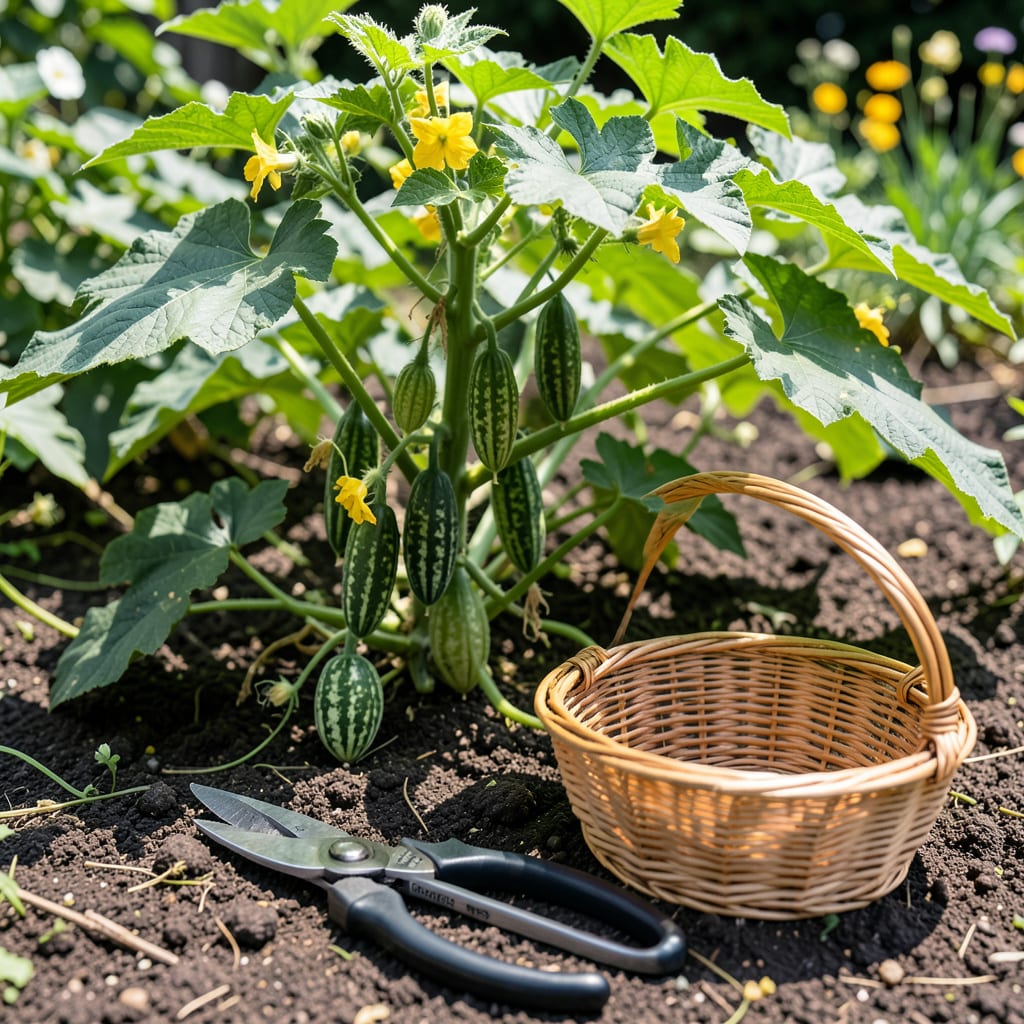
Timing is everything when it comes to picking your 🥒 Cucamelon crop. These tiny fruits transform from bitter to tangy perfection at just the right moment.
I’ll show you the exact visual cues and seasonal signs to watch for. With these tips, you’ll harvest at peak flavor every time.


I love watching cucamelons grow because their harvest window is so visually obvious. These tiny fruits start as hard, bright green nubs and transform into their signature grape-sized form with subtle stripes.
The perfect picking moment comes when they reach 1-1.5 inches long and their skin develops a faint yellowish tint. At this stage, they’ll detach with just a gentle tug, signaling they’re ready to enjoy.
| Harvest Sign | Description |
| Size | 1-1.5 inches long |
| Color | Bright green with stripes |
| Texture | Firm skin and soft seeds |
| Attachment | Detaches easily from vine |
If you pick too early, you’ll notice the fruits feel rock-hard and stay firmly attached. This means their seeds haven’t developed enough, resulting in a bitter taste rather than that coveted tangy flavor.
On the other hand, waiting too long leads to overripe cucamelons with tough skin and large, hard seeds. The color often deepens to yellow, and the texture becomes mealy instead of crisp.
I recommend checking your plants daily during peak season, as these little fruits can go from perfect to overripe in just 2-3 days of hot weather. The ideal time is usually mid-morning when the plants are dry.
Another reliable sign is the stem connection. When ready, the fruit will separate cleanly from the vine with just a light pull. If you have to yank or cut it, it’s not quite there yet.
The seeds inside offer another clue. At peak ripeness, they should be white or pale green, not dark or fully formed. This stage typically occurs 60-70 days after planting.
Remember that consistent harvesting encourages more production. The more you pick at the right time, the more new fruits your plants will produce throughout the growing season. ✂️
For the best flavor, I suggest harvesting when the skin still has some firmness but yields slightly to pressure. This is when the sugar content is at its peak, giving you that perfect balance of tangy and sweet.
With these visual and tactile cues, you’ll never miss the optimal harvest window for your cucamelons again. 🌱
I always use clean pruning shears or my fingernails to harvest cucamelons. This prevents damage to the delicate vines and reduces disease risk.
Harvesting every 2-3 days during peak season keeps production high. The more you pick, the more new fruits your plants will grow.
The best time to harvest is mid-morning after dew evaporates but before heat builds. This keeps fruits fresh longer.
Avoid pulling fruits directly, as this can damage vines. Instead, snip the stem just above the fruit with sharp shears.
Proper picking stimulates more flower production, leading to additional fruits. I’ve seen plants double their yield with consistent harvesting.
After picking, store cucamelons in a cool, dry place. They’ll keep for 1-2 weeks in the fridge or at room temperature.
Never harvest when plants are wet from rain, as this spreads disease. Always wait for dry conditions. ✂️
Leaving cucamelons on the vine too long transforms their perfect tangy flavor into something far less pleasant. I’ve learned this the hard way through trial and error in my own garden.
Overripe fruits develop a bitter taste that’s hard to mask, and their skin becomes tough instead of crisp. The seeds grow large and hard, making them unappetizing to eat fresh.
⚠️ Warning: Overripe cucamelons turn bitter with tough skin and large seeds. Harvest at grape-size for best flavor.
The color change is another dead giveaway. While perfectly ripe cucamelons have a bright green hue with faint stripes, overripe ones turn yellow or orange, signaling they’ve passed their prime.
I’ve found that overripe fruits can also stress the vine, as the plant puts energy into seed development rather than new growth. This reduces your overall harvest yield for the season.
If you do end up with overripe cucamelons, don’t despair. They can still be used for seed saving or compost. Just don’t expect the same delicious flavor as those picked at the right time. ✂️
Check your plants daily during peak season. These little fruits can go from perfect to overripe in just 2-3 days of hot weather.
Mid-morning is ideal, after dew evaporates but before heat builds. This keeps fruits fresh longer and prevents disease spread.
Yellow cucamelons are overripe and will taste bitter with tough skin. They’re best for seed saving rather than eating fresh.
Unripe ones feel rock-hard, stay firmly attached, and have uniformly bright green skin. Wait for slight softness and easy detachment.
