
Beautiful Plants For Your Interior
Beautiful Plants For Your Interior
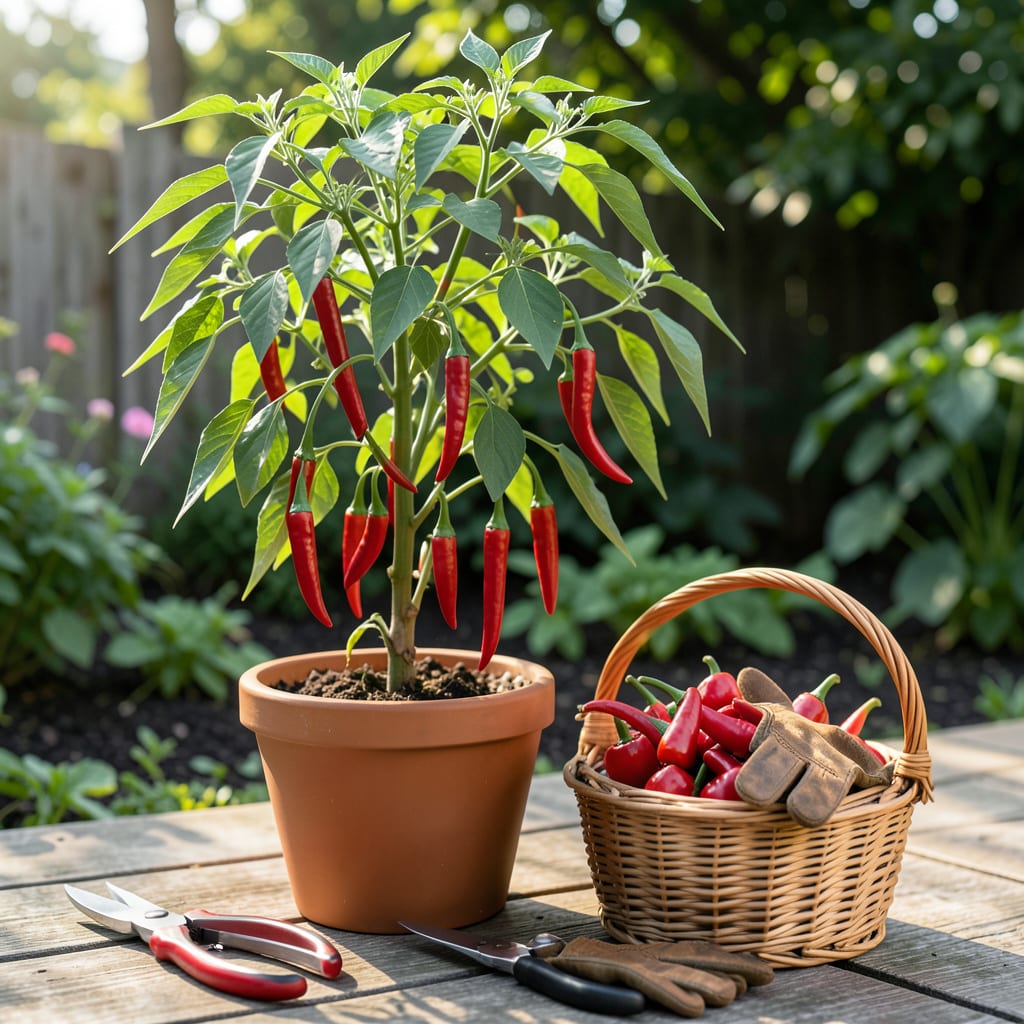
I remember the first time I picked a Cayenne Pepper 🌶️ too early—what a letdown. That fiery kick and vibrant color we all love just wasn’t there.
Harvesting at the right moment makes all the difference. I’ll show you the exact visual cues to look for, so you get peppers packed with heat and flavor every time.


I’ve learned that Cayenne peppers reveal their readiness through clear visual cues. The most obvious is color change, progressing from green to a vibrant red as capsaicin develops.
Size matters too—most mature Cayennes reach 3 to 5 inches long. But don’t rely on length alone; the glossy skin and firm texture are just as critical.
| Signal | Description |
|---|---|
| Color | Bright red (full ripeness) |
| Length | 3–5 inches typically |
| Texture | Firm and glossy |
| Stem | Turns brown/green |
The color transition is your best indicator. Green peppers are immature and mild, while deep red signals peak heat and sweetness. I always check for uniform color across the pepper.
In warmer climates, Cayennes may ripen faster. I’ve seen peppers go from green to red in just 2 weeks during a heatwave. Cooler areas might need extra patience—up to 120 days from planting.
The stem’s appearance can confirm ripeness. A brown stem often means the pepper is ready, while a green stem suggests it needs more time. I gently twist the pepper—if it snaps off easily, it’s ripe.
Size isn’t everything, but it’s a good rule of thumb. Most Cayenne varieties reach 4 inches at maturity. Smaller peppers might still be developing, while oversized ones could be overripe and losing flavor.
I’ve found that glossy skin is a surefire sign. Dull or wrinkled skin means the pepper is past its prime. Always check the firmness—a ripe Cayenne should feel solid with a slight give.
Regional differences matter. In southern states, expect earlier harvests—sometimes as soon as July. Northern gardeners may wait until September for the best results. Watch the weather forecast to avoid early frosts.
If you’re unsure, pick one and taste-test. The heat should be bold and consistent. Underripe peppers taste grassy; overripe ones lose their fiery punch. I always harvest in the morning for the best flavor.
I always use the firmness check first. A ripe Cayenne pepper should feel solid with a slight give, never soft or squishy to the touch.
The stem inspection is another reliable method. A brown stem often indicates maturity, while a green stem means the pepper needs more time on the plant.
Don’t overlook the seed color. Immature Cayennes have white seeds, while ripe ones develop a tan or light brown hue. This is a great backup check when color alone is ambiguous.
The snap test is my favorite. I gently twist the pepper—if it snaps off cleanly, it’s ready. If it resists or bends, give it a few more days to fully mature.
Color uniformity matters. A pepper that’s only partially red isn’t at peak ripeness. I wait until the entire surface has turned that vibrant, deep red.
Morning is the best time to test. Peppers are most firm then, and the cool temperatures make it easier to spot subtle signs of ripeness. I avoid testing after rain, as excess moisture can mask firmness.
If you’re still unsure, try the taste test on one pepper. The heat should be bold and the flavor well-developed. Underripe peppers taste grassy, while overripe ones may be less flavorful or mushy.
I’ve made the mistake of harvesting Cayenne peppers too soon, and the flavor was disappointing. Picking them too early means they’ll lack heat and that signature bold taste we love.
The capsaicin levels aren’t fully developed in green peppers, so they taste mild and grassy. Worse, their storage life is shorter, and they’re more prone to rotting after harvest.
On the flip side, leaving Cayennes on the plant too long causes problems too. Overripe peppers become soft and wrinkled, and their heat intensity starts to fade.
They also attract pests and diseases. I’ve seen aphids and fruit flies target overripe peppers, ruining the entire harvest. The skin may split, making them unusable for drying or storage.
If you’ve already picked underripe Cayennes, don’t despair. Try ripening them indoors in a paper bag with a ripe banana. The ethylene gas speeds up the process. For overripe ones, use them quickly or dry them for longer preservation.
Timing is key. I aim for that perfect window when peppers are firm, red, and glossy to get the best heat and flavor every time. ☀️
Look for a bright red color and glossy skin. The pepper should feel firm when gently squeezed, and the stem often turns brown.
You can, but they’ll be mild and grassy. For full heat and flavor, wait until they turn deep red. Early picking also shortens storage life.
Cooler climates may delay ripening. Be patient—some peppers take up to 120 days. If frost threatens, pick them green and ripen indoors in a paper bag.
Place green peppers in a paper bag with a ripe banana or apple. The ethylene gas will help them turn red faster, usually within 3-5 days.
