
Beautiful Plants For Your Interior
Beautiful Plants For Your Interior
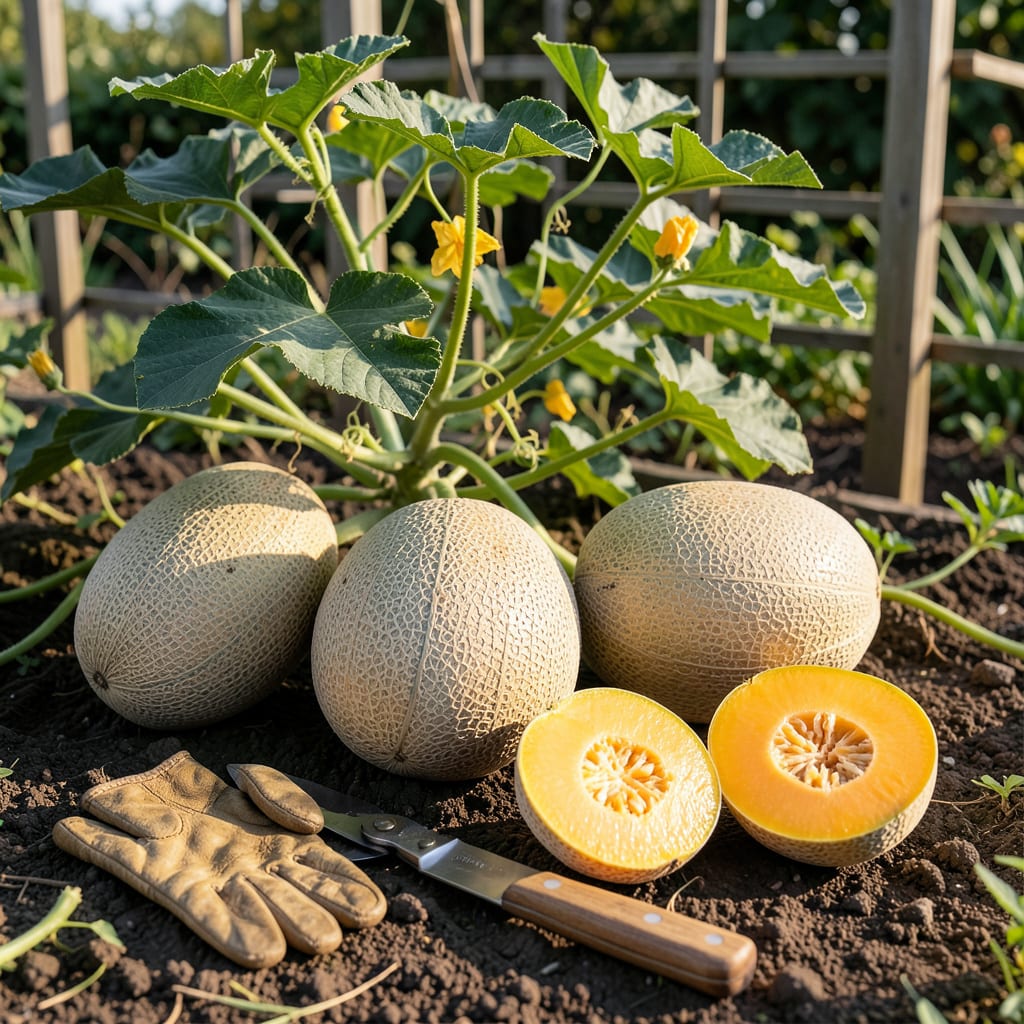
There’s nothing worse than cutting into a cantaloupe only to find it’s not quite ready. I’ve been there, staring at a pale, underripe fruit, wondering where I went wrong.
With 🍈 Cantaloupe, the secret lies in watching for subtle signs. From the stem’s slip to the rind’s color, I’ll show you how to pick at peak sweetness every time.


I always watch for the stem slip test first. When a cantaloupe is ready, the stem detaches cleanly from the vine with just gentle pressure. This is called the full slip stage.☀️
Another key indicator is the rind color change. As the fruit matures, the area under the netting shifts from green to beige or tan. This transformation signals ripeness is near.
| Ripeness Sign | What to Look For |
|---|---|
| Stem Slip | Detaches easily with gentle pull |
| Rind Color | Beige or tan under netting |
| Aroma | Strong, sweet scent at stem end |
| Netting | Pronounced and rough texture |
The aroma test is my favorite backup method. A ripe cantaloupe will emit a sweet, musky fragrance at the stem end. If you don’t smell anything, it’s not ready yet.
Don’t overlook the netting pattern. As the fruit ripens, the webbing becomes more pronounced and rough. This textural change is a great visual cue.🌿
I’ve found that combining these four indicators gives the most accurate results. The stem slip is the most reliable, but the other signs help confirm. Never rely on size alone.
Remember, cantaloupes don’t ripen after picking like some other fruits. This makes proper timing in the garden critical for sweetness. Once harvested, they’ll only soften, not sweeten.
Check your plants daily as the harvest window approaches. In hot weather, melons can go from underripe to overripe in just a day or two. Morning is the best time to harvest.
For the best flavor, pick when all signs are present. I like to use a sharp knife to cut the stem rather than pulling, which can damage the vine. Leave about 1 inch of stem attached.
If you’re still unsure, try the half-slip stage. This is when the stem begins to separate but doesn’t detach completely. These melons will ripen fully within a day or two on the vine.🌱
I see many gardeners make the mistake of harvesting by size alone. Just because a cantaloupe looks big doesn’t mean it’s ripe. Size varies by variety, so always check the stem slip and other clues first.
Another common error is ignoring weather impact. Hot, dry spells can speed up ripening, while cool, wet weather may delay it. Adjust your checks accordingly during extreme conditions.☀️
⚠️ Warning: Don’t pull cantaloupes from the vine. This can damage both the fruit and plant. Always use the gentle pressure test for stem slip.
Many misread the rind color changes. The area under the netting should turn beige or tan, not just light green. A pale rind often means it needs more time on the vine.
I’ve learned that morning harvests are best. Picking in the heat of the day can lead to premature softening. The cool morning hours help preserve the fruit’s firmness and flavor.
For successive harvests, don’t pick all melons at once. Stagger your harvesting by checking daily and only taking those that show all ripeness signs. This extends your cantaloupe season by weeks.
Lastly, avoid the half-slip trap. While these can ripen on the vine, they’re more vulnerable to pests. Unless you’re checking daily, it’s safer to wait for the full slip stage to ensure peak sweetness.🌿
Once you’ve harvested your cantaloupes, proper handling is key to preserving their sweetness and freshness. I always start by gently brushing off any garden dirt with a soft cloth.
Never wash the melons until you’re ready to use them. Excess moisture can promote mold growth during storage. Keep them in a cool, dry place for short-term storage.
For longer storage, I recommend placing uncut cantaloupes in the refrigerator. They’ll keep for about 5-7 days this way. Just be sure to seal them in a paper bag to prevent moisture loss.
If you’ve cut into your melon, store the remaining portions in an airtight container in the fridge. They’ll stay fresh for 3-4 days but are best enjoyed quickly.
Remember that cantaloupes continue to develop some sweetness after harvest, but only if left at room temperature. Once refrigerated, the ripening process stops.🌿
Check for the stem slip—it should detach easily with gentle pressure. Also, look for beige color under the netting and a sweet aroma at the stem end.
Harvest in the early morning when temperatures are cool. This preserves firmness and flavor better than picking during hot afternoons.
No, they won’t sweeten further once harvested. They may soften but won’t develop more sugar. Always pick at peak ripeness for best taste.
Whole melons keep at room temperature for 2-3 days or in the fridge for 5-7 days. Cut pieces last 3-4 days refrigerated in an airtight container.
