
Beautiful Plants For Your Interior
Beautiful Plants For Your Interior
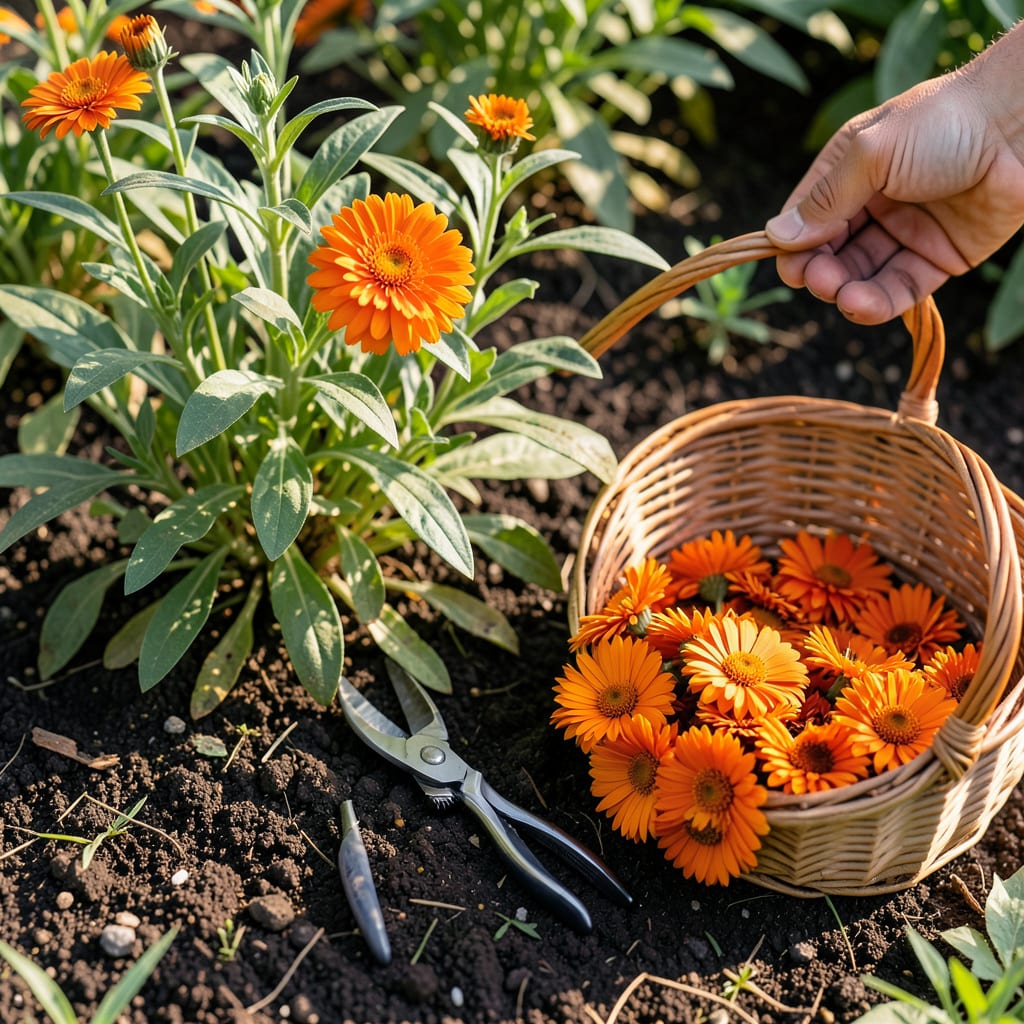
Timing your calendula harvest can make or break your blooms’ potency and beauty. The difference between vibrant petals and lackluster ones often comes down to just a few days.
I’ve learned the hard way that waiting for the perfect moment with 🌼 Calendula means watching for fully open flowers with rich color. Let me show you how to get it right every time.


Harvesting calendula flowers at the perfect moment ensures the best color, fragrance, and potency. I always look for fully open petals with vibrant hues as the first sign they’re ready for picking.
Another key indicator is the center disc florets—they should be visible and slightly raised. If the stem snaps easily when bent, that’s your confirmation the flower is at its peak.
| Sign | Ready When… |
|---|---|
| Petals | Fully open and bright |
| Disc florets | Visible and raised |
| Stem | Firm but snaps easily |
| Aroma | Strong and pleasant |
Timing also matters—early morning is ideal because the petals are fresh with dew, and the essential oils are most concentrated. This is when I get the most fragrant blooms for drying or fresh use.
Avoid harvesting wilting flowers or those with drooping heads. These are past their prime and won’t give you the same quality. The petals should look lively and hold their shape when gently pressed.
The growing season for calendula typically spans from June to October. During this window, you can expect continuous blooms if you deadhead regularly. I like to check my plants daily during peak season.
If you notice seed formation in the center, you’ve waited too long. At this stage, the petals lose their vibrancy and potency. The goal is to catch them just before this happens for the best results.
For the best results, I also recommend harvesting on dry, sunny days. Wet flowers can develop mold during drying, and cloudy weather might mean the petals aren’t as vibrant as they could be.
Finally, trust your senses. A ready calendula will have a strong scent and feel slightly sticky to the touch. These small details make a big difference in the quality of your harvest.
With these signs in mind, you’ll always pick your calendula at its peak, whether for medicinal use, dyes, or simply to brighten up your home 🌼
To get the most from your calendula plants, I recommend hand-picking the flowers rather than using tools. This method preserves the delicate petals and prevents bruising, which can reduce their quality for drying or fresh arrangements.
When using garden shears, always cut just above a set of leaves or a branching point. This encourages the plant to produce more blooms. I prefer shears for larger harvests when I need to collect many flowers at once.
The time of day significantly impacts your harvest quality. I always aim for early morning after the dew has evaporated but before the heat of the day sets in. This is when the flowers are most fragrant and their colors most vibrant.
For post-harvest care, I immediately remove any leaves from the stems and group the flowers in small bundles. If you’re drying them, hang these bundles upside down in a dark, well-ventilated space to preserve color and potency.
If you’re harvesting for fresh use, place the stems in water immediately. Change the water daily to extend their vase life. I’ve found this simple step can keep cut calendulas looking fresh for up to a week.
Remember that regular harvesting actually benefits your plants. By removing spent blooms, you’re signaling the plant to produce more flowers, extending your calendula season well into fall 🌼
Even experienced gardeners can make errors when harvesting calendula flowers. The most common mistake I see is waiting too long until seed formation begins. Once seeds start developing, the petals lose their vibrancy and potency.
Another frequent error is harvesting during wet conditions. Picking flowers when they’re damp from rain or dew can lead to mold during drying. I always check the forecast and wait for a dry, sunny day to ensure the best quality.
Harvesting too late reduces flower potency and color intensity.
Using dull tools can crush stems and damage delicate petals.
Ignoring weather can lead to moldy or lackluster blooms.
Using dull shears or scissors is another pitfall. Crushed stems can’t absorb water properly, which shortens the vase life for fresh arrangements. I keep my tools sharp and clean for the best results.
Improper storage after harvesting can also degrade your flowers. Never leave harvested calendulas in direct sunlight, as this can fade their colors. Instead, I store mine in a cool, dark place until I’m ready to use or dry them.
Lastly, don’t harvest all flowers at once. This can stress the plant and reduce future blooms. I recommend picking flowers in stages, allowing the plant to continue producing throughout the season 🌼
Early morning after dew dries is ideal. The essential oils are most concentrated then, giving you the most fragrant and vibrant blooms
The disc florets should be visible and slightly raised. If they’re flat or hidden, the flower isn’t at peak maturity yet
Avoid picking when wet. Damp petals can develop mold during drying. Always wait for a dry, sunny day for best results
Seed formation begins and petals lose vibrancy. The potency and color intensity drop significantly, making them less useful
