
Beautiful Plants For Your Interior
Beautiful Plants For Your Interior
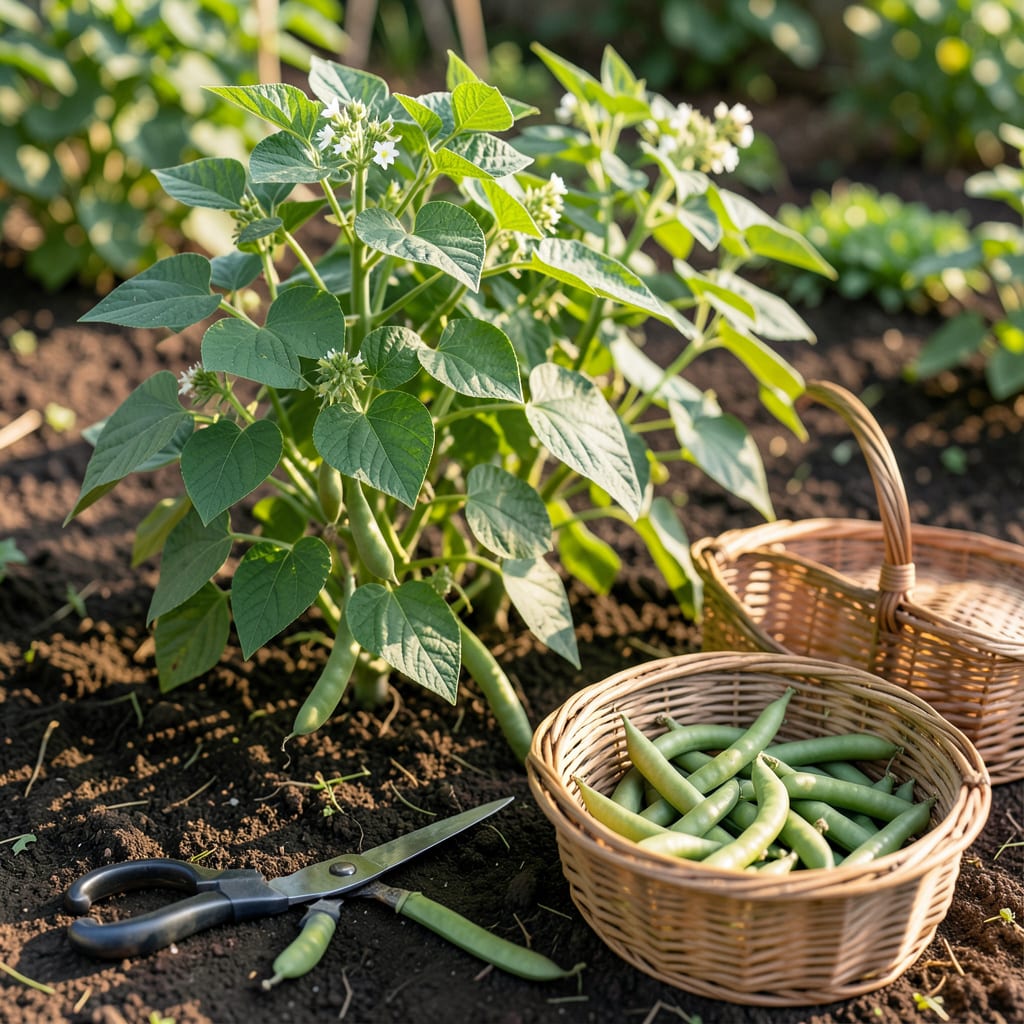
Knowing exactly when to harvest Bush Beans can make or break your garden’s success. These quick growers reward you with tender pods, but timing is everything.
I’ll show you the key signs to look for—size, color, and texture—that guarantee you pick at peak perfection. Let’s discover how to get the most from your 🌱 plants this season.


Timing your bush bean harvest perfectly ensures the best flavor and texture. I look for pods that are 4-6 inches long with a firm, crisp feel. These are the first signs your beans are ready for picking.
Color matters too—bright green and uniform pods are ideal. If the seeds inside are still small and underdeveloped, you’re on the right track. This is when they’re at their peak 🌱
| Sign | Description |
|---|---|
| Pod Size | 4-6 inches long |
| Firmness | Crisp and snaps easily |
| Color | Bright green and uniform |
| Seeds | Small, not bulging |
If the pods bend without snapping, they’re not ready yet. I wait until they pass the snap test—a sure sign of perfect ripeness. Overripe beans become tough and stringy, so don’t delay.
Another trick I use is checking the seed size inside the pod. If they’re fully developed and bulging, the harvest window has passed. Aim for small, immature seeds for the best taste.
I also pay attention to the plant’s growth stage. Bush beans typically mature in 50-60 days after planting. If you planted in early spring, expect to harvest by mid-summer.
Weather can influence timing too. In hotter climates, beans may mature faster, so I check daily once they’re close. Cooler temperatures might slow things down slightly.
For the best results, I harvest in the morning when the pods are crisp and full of moisture. This ensures they stay fresh longer after picking. Always use clean, sharp tools or your hands to avoid damaging the plant.
If you see yellowing pods or signs of splitting, it’s a clear signal they’ve waited too long. I make it a habit to check my plants every 2-3 days during peak season to catch them at the right time.
By focusing on these visual and tactile cues, you’ll consistently harvest bush beans at their peak. It’s all about observing and acting at the right moment to enjoy the best your garden has to offer ☀️
I’ve found that regular harvesting is the secret to a continuous bush bean yield. These plants thrive when you pick their pods frequently, as it signals them to produce more. I aim to check my plants every 2-3 days during peak season.
If you leave mature pods on the plant, it stops producing new ones. The plant thinks its job is done once seeds develop. That’s why I harvest consistently to keep the cycle going strong.
I always use sharp, clean tools or my hands to pick. This prevents tearing the plant and reduces disease risk. A gentle twist is all it takes to snap off a ready pod.
Timing matters too—morning harvests yield the crispest beans. The plants are full of moisture after a cool night, making the pods firmer and easier to pick.
Don’t forget to inspect the entire plant. Bush beans can hide pods under their foliage, and missing these means wasted potential. I part the leaves carefully to spot every ready pod.
By staying on top of harvesting, I’ve seen my bush bean plants produce for weeks longer than if I waited. It’s a simple habit that pays off with a bigger, better harvest every time 🌿
Even experienced gardeners can make harvesting mistakes with bush beans that reduce yield or quality. I’ve learned to avoid picking when pods are wet from rain or morning dew, as this can spread disease.
Another common error is using dull tools or rough handling, which damages the plant and its remaining pods. Always use sharp shears or your fingernails for a clean snap at the stem.
Don’t harvest wet pods – increases disease risk
Don’t use dull tools – tears plant tissue
Don’t ignore overripe beans – stops new production
Don’t store in sealed containers – causes moisture buildup
I never leave overripe beans on the plant. Once seeds bulge, the plant stops producing new pods. I remove these immediately to redirect the plant’s energy to new growth.
Improper post-harvest storage is another issue. I avoid sealed containers, which trap moisture and lead to spoilage. Instead, I use breathable bags and store in the fridge for up to a week.
By steering clear of these mistakes, I consistently get the most from my bush bean plants. It’s all about careful timing and handling to preserve both the plant and its harvest ✂️
Check every 2-3 days during peak season. Bush beans mature quickly, and frequent harvesting encourages more production. Morning is ideal for crisp pods.
Overripe pods become tough and stringy. The plant stops producing new beans once seeds bulge. Remove them immediately to redirect energy.
Avoid picking wet pods to prevent disease spread. Wait until they’re dry for cleaner, healthier harvesting. Always use sharp tools or hands.
Gently open a pod to check. Ready beans have small, flat seeds. If they’re plump and bulging, the harvest window has passed.
