
Beautiful Plants For Your Interior
Beautiful Plants For Your Interior
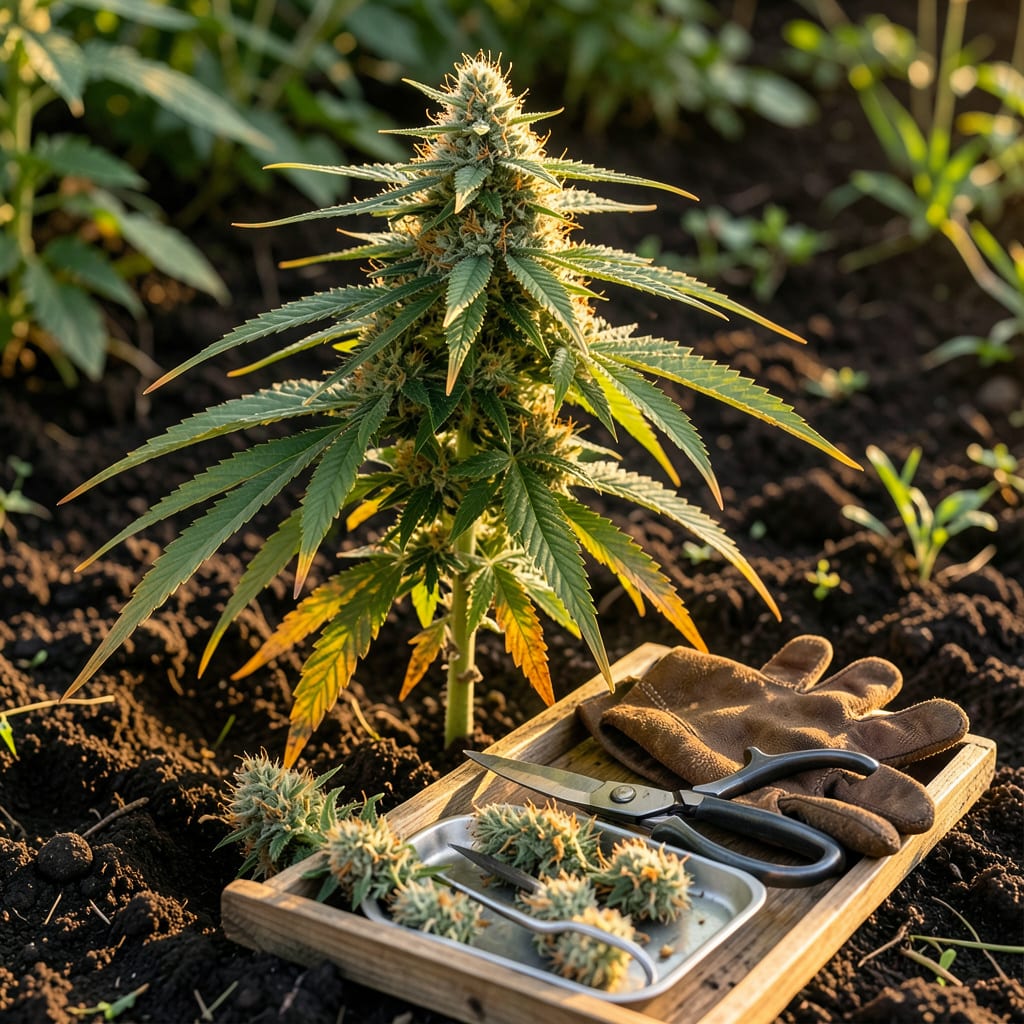
Timing your harvest perfectly is the key to premium-quality 🌿Bud. I’ve seen the difference between early picks and perfectly ripe ones, and the results are undeniable.
You’ll discover how to spot the visual cues that signal peak potency. Whether you’re growing in Zone 6 or beyond, nailing this timing transforms your harvest.


I always tell fellow gardeners that perfect timing separates good harvests from great ones. With buds, the difference between early and peak harvest can mean 30% more potency and richness.
You’ll want to focus on three main signals: trichome color, pistil appearance, and calyx swelling. These visual cues tell you exactly when your buds are at their prime for harvesting.
| Visual Cue | Early Stage | Peak Stage | Late Stage |
|---|---|---|---|
| Trichome Color | Clear | Cloudy with some amber | Mostly amber |
| Pistil Appearance | White and straight | 70% brown and curled | All brown |
| Calyx Swelling | Tight and small | Plump and rounded | Overly swollen |
I check trichomes with a jeweler’s loupe first. When most shift from clear to cloudy, with a few amber ones, that’s your window. This cloudiness indicates peak THC production.
The pistils are your next clue. When 70% have darkened and curled inward, your buds are nearly ready. All brown pistils mean you’ve missed the peak slightly.
Don’t overlook the calyxes. These protective leaves swell as buds mature. When they’re firm and plump, with rich color, you’re in the harvest zone. Underdeveloped calyxes mean more time is needed.
I’ve found that morning checks give the most accurate readings. The buds are fully hydrated, and the light is optimal for spotting these details. Always compare multiple buds, as they may mature at slightly different rates.
Remember, these cues work together. A bud with cloudy trichomes, 70% brown pistils, and swollen calyxes is at its peak. Harvesting at this stage ensures maximum potency and the best terpene profile.
For outdoor growers, weather matters. If rain is forecast within 48 hours of peak readiness, I harvest early to prevent mold. Indoor growers have more control but should still watch for these visual signs.
My pro tip: Take photos daily during the final week. This helps track progress and confirms when you’ve hit that perfect harvest window.
🌿I’ve learned that light cycles dramatically influence when your buds will be ready. For photoperiod plants, the 12/12 cycle triggers flowering, with harvest typically 8-10 weeks later. Autoflowering strains follow their own internal clock.
Outdoor growers must watch the natural light changes as seasons progress. In Zone 6, the decreasing daylight in late summer often signals it’s time to start checking for those visual cues we discussed earlier.
| Factor | Photoperiod | Autoflowering |
|---|---|---|
| Light Trigger | 12/12 cycle | Age-based |
| Flowering Time | 8-10 weeks | 4-6 weeks |
| Harvest Window | Flexible | Fixed |
Indoor growers have more control but must maintain consistent light cycles. Any interruption can stress the plant and affect your harvest timing. I recommend using timers to ensure precision.
Regional climate differences matter too. In cooler areas, buds may mature slower, while hot climates can speed up development. Always adjust your expectations based on your local conditions.
For autoflowering strains, I start checking for readiness at week 6. They typically finish faster than photoperiod varieties, but their window is less flexible. Missing it by even a few days can reduce quality.
Remember, these are guidelines. The visual cues we covered in the first section remain your best indicator. Combine both approaches for the most accurate harvest timing.
🌿I’ve seen gardeners make costly errors when harvesting buds that reduce both quality and quantity. Timing is everything, and even small missteps can undermine months of careful cultivation.
One of the biggest mistakes is harvesting too early. Clear trichomes and white pistils mean your buds haven’t reached peak potency. Patience truly pays off here.
⚠️ Warning: Harvesting too early or too late can drastically reduce your bud’s potency and flavor. Always verify readiness with multiple visual cues before cutting.
Another common error is harvesting too late. When most trichomes turn amber and all pistils are brown, you’ve missed the peak. The buds may taste harsh and lose their vibrant character.
Improper handling post-harvest is equally damaging. Rough treatment can bruise the buds and degrade their quality. I always use clean, sharp tools and handle buds gently to preserve their integrity.
Environmental factors matter too. Harvesting during high humidity or rain can lead to mold growth. I recommend checking the weather forecast and choosing a dry, sunny day for the best results.
Finally, don’t overlook the drying process. Rushing this step can trap moisture inside, leading to mold. I maintain a cool, dark space with good airflow for optimal drying.
🌿A jeweler’s loupe or magnifying glass is essential for inspecting trichomes. A bright light source helps spot pistil color changes. Keep a notebook for tracking daily progress.
Outdoor growers should harvest before rain to prevent mold. In Zone 6, late summer’s decreasing daylight signals it’s time to check visual cues. Indoor growers have more control over timing.
Yes, buds mature at different rates. Check each colas individually. Harvest the ready ones first, then wait for the rest. This ensures peak quality for all your buds.
Overripe buds develop harsh flavors and reduced potency. Most trichomes turn amber, and pistils become fully brown. The terpene profile also degrades over time.
