
Beautiful Plants For Your Interior
Beautiful Plants For Your Interior
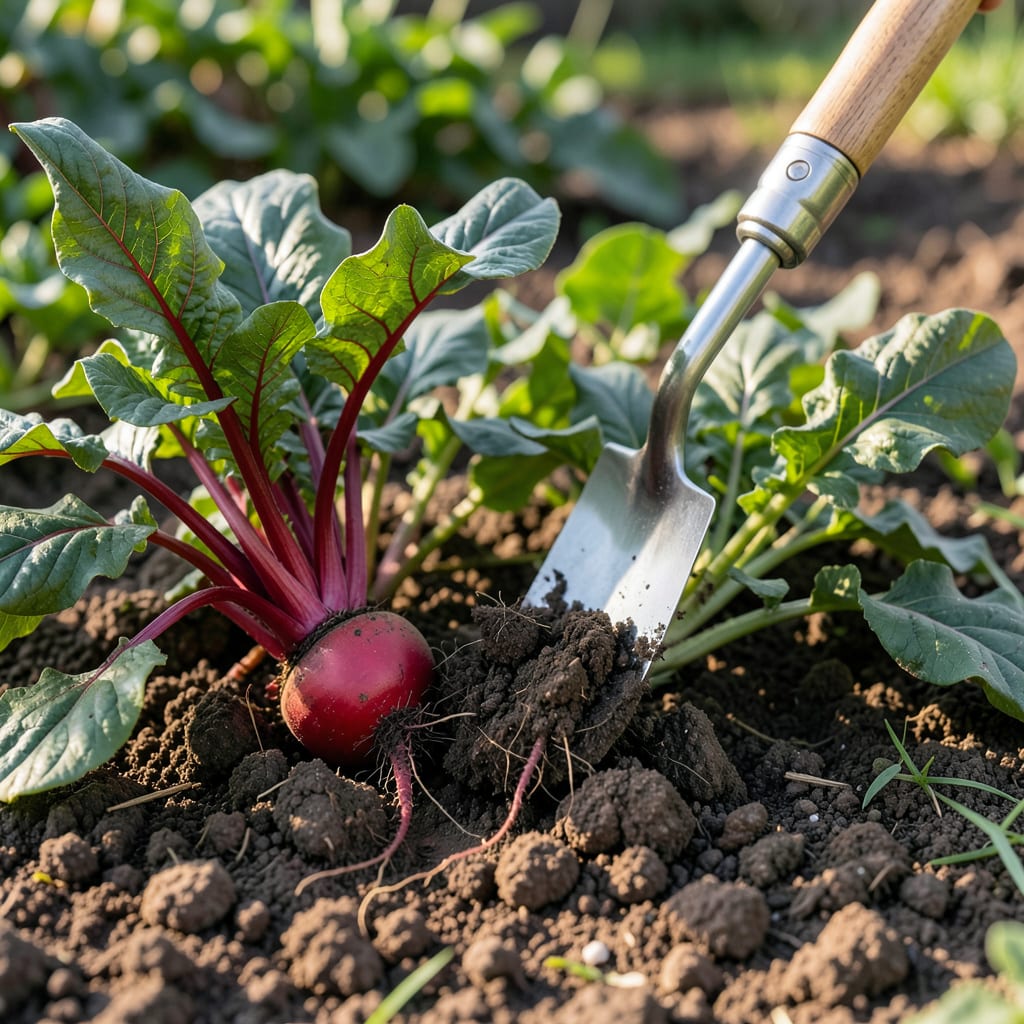
Knowing exactly when to pull your 🍠 Beetroot can make all the difference between tough, woody roots and sweet, tender perfection. Timing is everything in the garden.
I’ll show you the subtle size and shoulder clues that signal your Beetroot is at its peak. These simple signs will help you harvest at just the right moment, every time.


Timing your beetroot harvest perfectly ensures the best flavor and texture. I look for roots 1-3 inches in diameter as my first clue. Smaller beets are tender, while larger ones may turn woody.
The shoulder check is another reliable indicator. When the top of the beet root starts peeking above the soil line, it’s typically ready. This visual cue is often more reliable than size alone.
| Sign | Description |
|---|---|
| Root Size | 1-3 inches in diameter |
| Shoulder Protrusion | Top of beet visible above soil |
| Leaf Health | 6 inches tall, vibrant green |
| Texture | Firm when gently squeezed |
I also pay attention to the leaf health. Healthy, 6-inch tall greens usually mean the roots are mature. If leaves start yellowing or wilting prematurely, it might indicate stress or disease.
The skin condition matters too. A smooth, firm surface is ideal. Soft or mushy spots signal overripeness or rot, so I avoid harvesting those.
For early varieties, I start checking at 50 days after sowing. Most beets reach peak tenderness at 60 days, with some varieties taking up to 70 days.
I recommend gentle testing. Brush away soil at the base to check size. If the beet is 1 inch wide, I might wait a few more days for optimal growth.
Remember, consistent watering affects harvest timing. Beets in dry soil may mature slower, while overwatered ones can split. Aim for 1-2 inches of water weekly.
For storage beets, I leave them until they reach 3 inches. Smaller beets are best for immediate use, as they’re more tender and sweet.
Finally, I always harvest before the first frost. Cold temperatures can damage the roots, turning them soft. In most zones, this means pulling beets by October 15th.
With these signs in mind, you’ll never guess at beetroot readiness again. Happy harvesting! 🌱
The moment you pick your beetroot directly impacts its sweetness and tenderness. I’ve found early harvesting at 1-2 inches gives the most delicate texture.
Later harvesting produces larger beets, but they can become woody or bitter. I aim for the 60-day mark for most varieties to balance size and flavor.
I always test a sample beet before pulling the whole crop. If it’s firm and sweet, the rest are likely ready. This simple step prevents disappointment.
Weather conditions play a role too. A dry spell can concentrate sugars, making beets sweeter. I often harvest after a sunny week for the best flavor.
For storage beets, I wait until they’re 3 inches wide. These keep well in a cool, dark place for months, unlike smaller, more tender ones.
Remember, overmature beets lose their vibrant color and sweetness. I mark my calendar at 60 days to start checking daily. 🌱
Timing your beetroot harvest wrong can ruin months of careful growing. I see many gardeners leave their beets in the ground too long, resulting in woody, tough roots that lack sweetness.
Another common error is pulling beets too early. If the roots are still under 1 inch in diameter, they haven’t developed their full flavor or size. Patience is key for the best harvest.
⚠️ Avoid These Harvest Mistakes:
Waiting too long → Woody texture
Pulling too early → Underdeveloped flavor
Harvesting in wet soil → Risk of rot
I also caution against harvesting during wet conditions. Pulling beets from soggy soil can damage the roots and encourage rot. Wait for dry weather when the soil is workable.
Improper pulling technique is another pitfall. I always grasp the greens near the base and pull gently but firmly. Yanking from the leaves can break the stems, leaving the root stuck in the ground.
Finally, don’t ignore the weather forecast. If a hard frost is approaching, I harvest all beets immediately. Frost can damage the roots, making them soft and inedible. In my zone, I aim to finish by October 15th to be safe. ✂️
Harvest when roots reach 1-3 inches in diameter for best tenderness. Smaller beets are sweeter and more tender, while larger ones risk becoming woody.
Overmature beets develop woody texture and lose sweetness. They may also split or become tough, especially in dry conditions.
Yes! Gently pick 1-2 outer leaves per plant when they reach 6 inches tall. This won’t harm the developing root below.
Roots under 1 inch wide or with soft skin aren’t mature. Leaves under 6 inches tall also indicate they need more time.
