
Beautiful Plants For Your Interior
Beautiful Plants For Your Interior
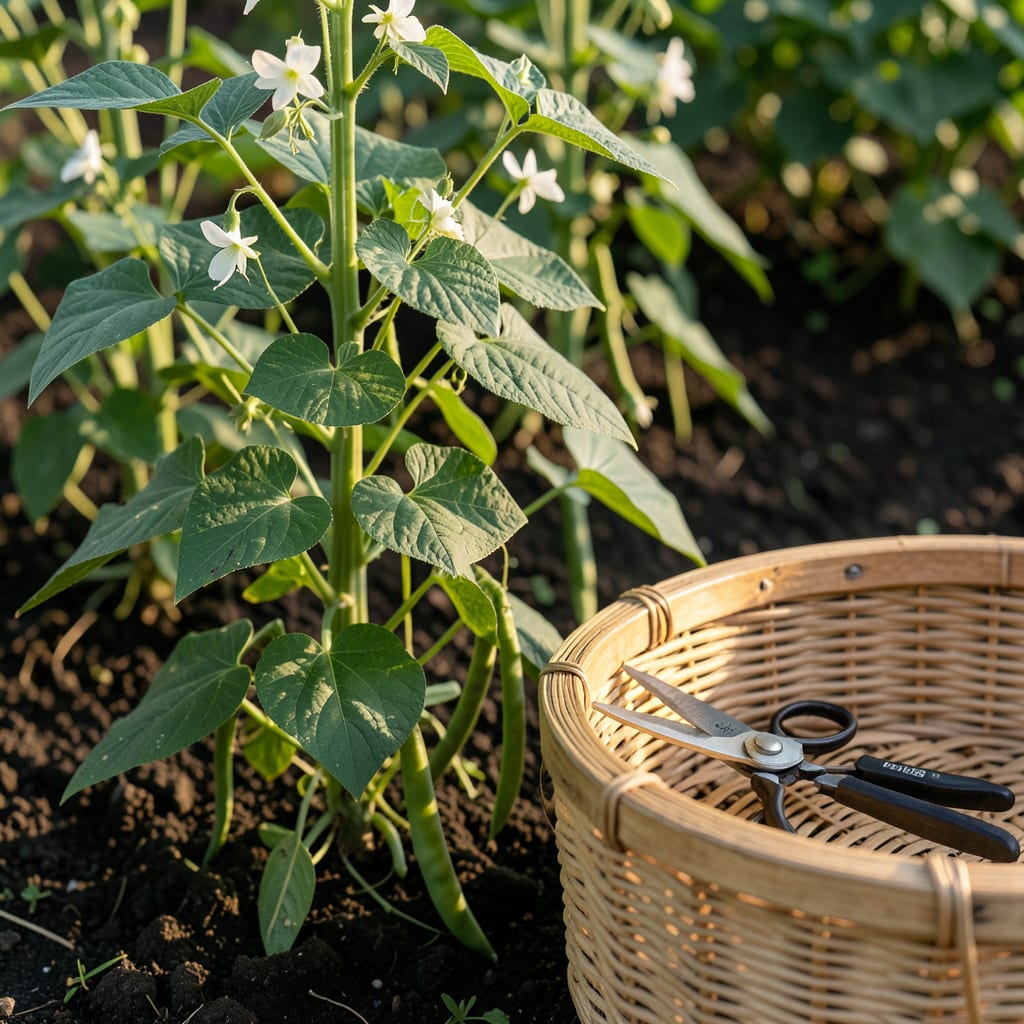
Knowing exactly when to harvest your 🌱 Beans can make all the difference between a mediocre crop and a bountiful one. Pick too early, and you’ll miss out on that perfect snap.
Wait too long, and you risk tough, stringy pods. I’ll show you the key signs to look for so you can gather your Beans at their peak every time.


Timing your bean harvest perfectly ensures the best flavor and texture. I always look for firm pods that snap easily when bent, a sure sign they’re ready.
For snap beans, the pods should be bright green and smooth, with no visible bulges from developing seeds.
| Sign | Description |
|---|---|
| Pod Firmness | Crisp and snaps cleanly |
| Pod Color | Bright, uniform green |
| Seed Visibility | Small bumps, not fully formed |
| Pod Size | 4-8 inches long, pencil-thick |
With bush beans, I check daily once pods appear because they can go from perfect to overripe in just 2-3 days during warm weather.
Pole beans often take a bit longer, but the same rules apply. I find that morning harvests work best when the plants are still crisp from overnight dew.
For shelling beans, I wait until the pods start to plump up and the seeds inside are nearly full size but still tender. The pods will often change from green to a paler shade.
With dry beans, I leave them on the vine until the pods turn yellow or brown and the seeds rattle inside when shaken. This usually happens after 80-100 days.
I always use sharp scissors or my fingers to harvest, being careful not to pull the plant. Regular picking actually encourages more production, so I make it a habit.
Remember that weather conditions can affect maturity times. Hot, dry weather may speed up development, while cool, wet conditions can slow it down.
By paying close attention to these visual and tactile cues, I consistently get the best harvest from my bean plants every season. ✂️
Each bean variety has its own perfect harvest window. I’ve learned that snap beans need to be picked young when their pods are still tender and crisp.
Shelling beans require a bit more patience, as you’ll want to wait until the seeds inside are plump but the pods are still green. Dry beans are the last to mature, staying on the vine until fully dry and hard.
| Type | Harvest Time | Key Sign |
|---|---|---|
| Snap Beans | 50-60 days | Pods snap cleanly |
| Shelling Beans | 60-80 days | Seeds plump inside |
| Dry Beans | 80-100 days | Pods yellow/brown |
For snap beans, I harvest when pods are 4-6 inches long and the seeds are barely visible as tiny bumps. If I wait too long, they’ll become tough and stringy.
Shelling beans like lima or cranberry beans are ready when the pods turn pale green or start to yellow. The seeds should be full-sized but still tender when cooked.
With dry beans, I let the pods mature completely until they’re brown and papery. The seeds inside will be hard and rattle when shaken, perfect for storage.
I always check my plants daily during peak season because beans can go from ready to overripe quickly, especially in hot weather. Regular harvesting also keeps the plants producing new pods. ☀️
Remember that morning is the best time to pick beans, as the pods are crispest after a cool night. This helps maintain their freshness and texture for longer.
Even experienced gardeners can make harvesting mistakes that reduce bean quality. I’ve learned the hard way that waiting for snap beans to turn yellow means they’re already past their prime.
Another common error is harvesting during wet conditions, which can spread diseases and make pods slimy. Always wait for dry mornings for the best results.
Don’t wait for snap beans to yellow—they’ll be tough.
Avoid harvesting when plants are wet to prevent disease.
Never use dull tools—they can crush stems and reduce future yields.
Using dull scissors or shears can crush stems and damage the plant, reducing future production. I always keep my tools sharp and clean for a smooth harvest.
Some gardeners also overlook the importance of regular picking. Beans that stay on the vine too long signal the plant to stop producing, so I harvest every 2-3 days during peak season.
Finally, I never pull pods off by hand if they resist—this can damage the plant. Instead, I use clean scissors or gently twist the pod until it snaps free. ✂️
Check daily during peak season, as beans can go from perfect to overripe in just 2-3 days, especially in warm weather. Morning inspections work best when plants are crisp.
Overripe snap beans become tough and stringy. The pods lose their crisp texture and sweet flavor. Harvest when they’re 4-6 inches long and snap easily.
No, always wait for dry conditions. Wet plants can spread disease and make pods slimy. Morning harvests after dew dries are ideal for best quality.
Shelling beans are ready when pods plump up and seeds inside are nearly full size but still tender. Pods often turn from green to pale green or yellow.
