
Beautiful Plants For Your Interior
Beautiful Plants For Your Interior
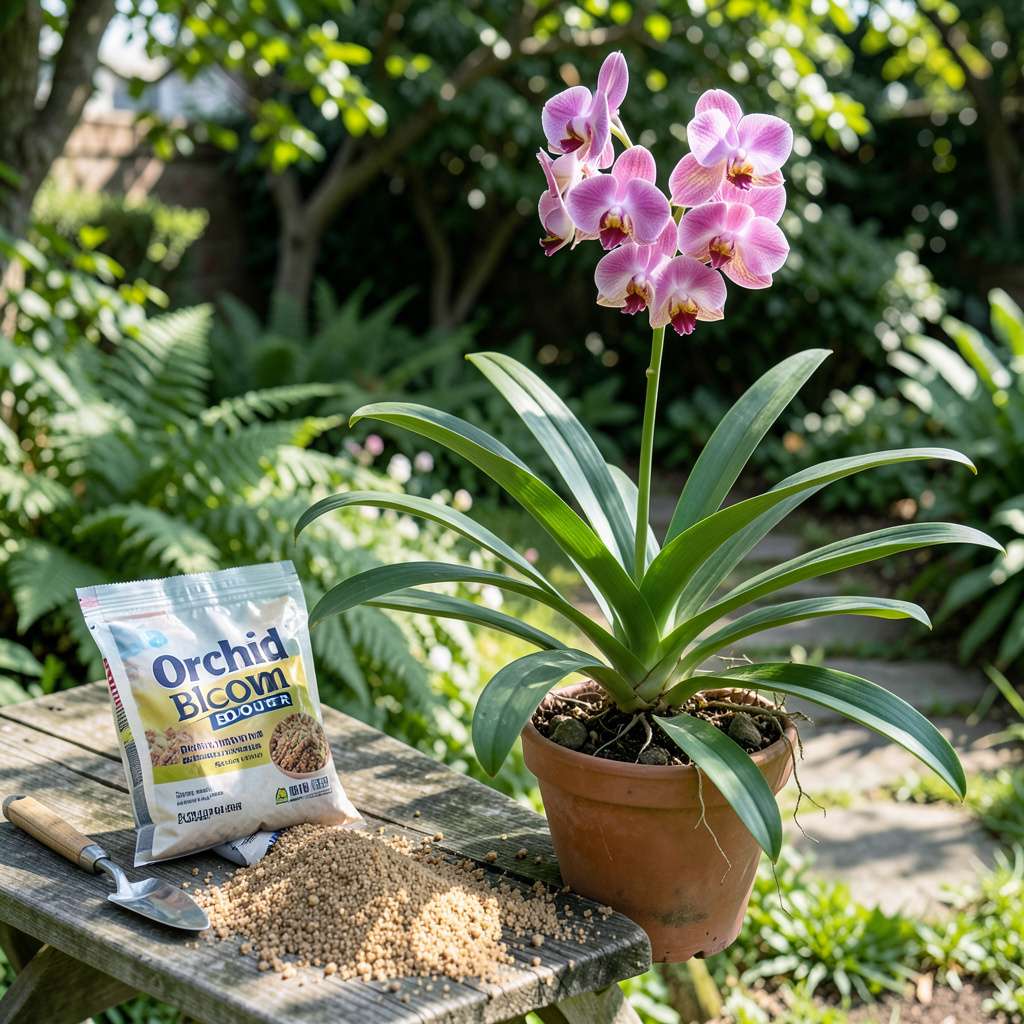
Healthy Growth“>Fertilize outdoor orchids every 2-3 weeks during spring and summer when actively growing, then reduce to once a month in fall and winter. Avoid over-fertilizing during dormancy.
Understanding the growth cycle of orchids is essential for proper care. 🌱 During the active growth phase in spring and summer, they require more nutrients to support blooming and leaf development. As temperatures drop and the plants enter dormancy, it’s crucial to adjust your fertilization routine to prevent nutrient buildup, which can harm their health.
Regular monitoring of your orchids can help ensure they’re thriving. Keep an eye out for signs that indicate whether they’re getting too much or too little fertilizer, such as yellowing leaves or poor growth. This way, you can make adjustments as needed to promote robust growth. 🌟
💡 In This Article
Understanding the growth cycles of orchids is crucial for effective fertilization. During spring and summer, when temperatures rise and daylight increases, orchids enter their active growth phase. This period requires heightened nutrient availability, as plants utilize these resources for blooming and developing healthy foliage. 🌱
Typically, a fertilization schedule of every 2-3 weeks is recommended during this active phase. Nutrients such as nitrogen, phosphorus, and potassium play key roles in promoting healthy growth. For example, nitrogen supports leaf development, while phosphorus is essential for root and flower production. 🌼
As autumn approaches and temperatures drop, orchids begin their dormancy phase. It’s essential to adjust the fertilization routine to once a month to prevent nutrient buildup in the soil, which can lead to detrimental effects like root burn. Monitoring your orchids during this transition helps maintain their health. 🌟
When it comes to nutrient absorption, the root systems of orchids are adapted to quickly take in available nutrients during active growth. The presence of mycorrhizal fungi in the root zone enhances nutrient uptake, allowing orchids to thrive on minimal resources. Conversely, during dormancy, the reduced metabolic activity means less nutrient intake is necessary. 🔍
In practical terms, you might notice that your orchids respond well to a balanced fertilizer formulation during active growth. However, switching to a bloom-specific fertilizer can boost flowering potential as blossoms emerge. Always observe your plants for signs of nutrient deficiencies or excesses—yellowing leaves often indicate over-fertilization. 🏵️
In summary, understanding the timing and type of fertilization is vital for keeping outdoor orchids healthy. Adapting your approach according to seasonal changes not only promotes optimal growth but also enhances flowering potential, ensuring vibrant blooms throughout the growing season. 🌸
