
Beautiful Plants For Your Interior
Beautiful Plants For Your Interior
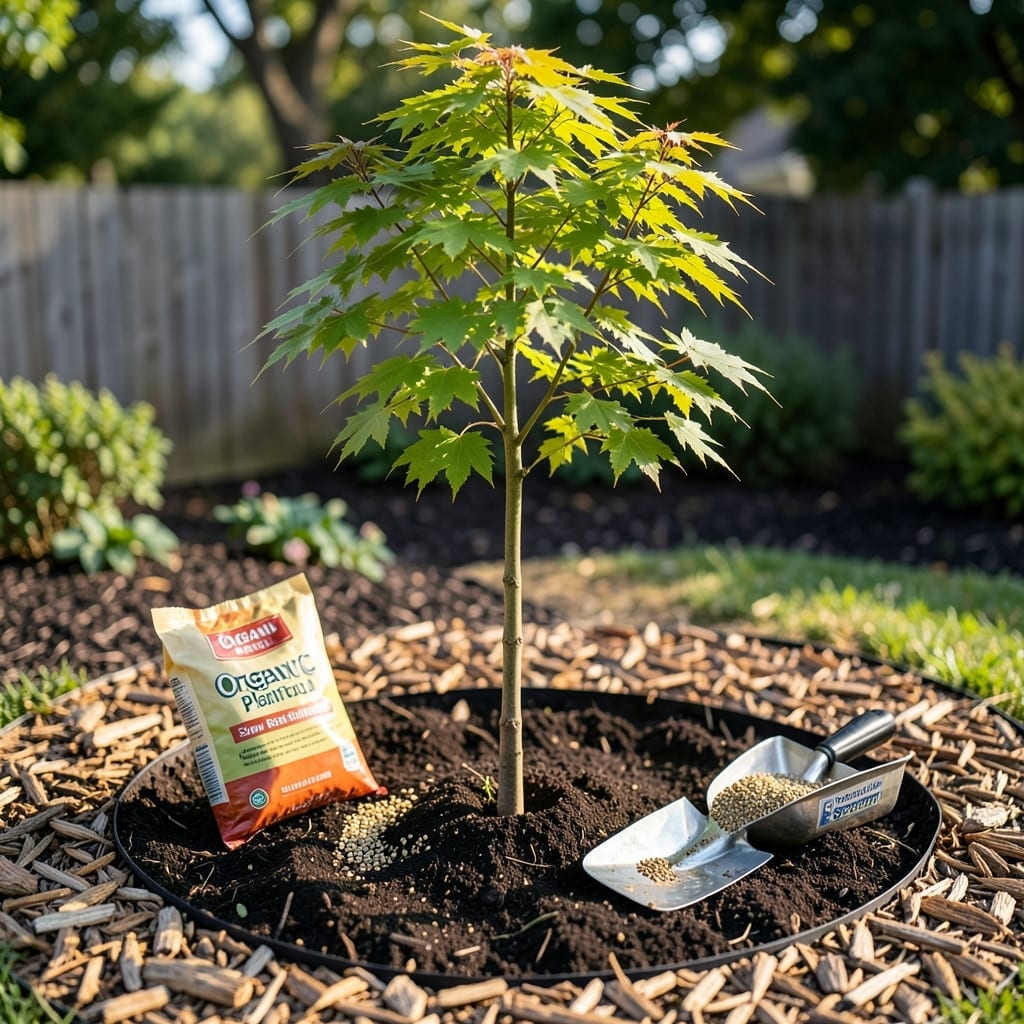
Timing your fertilization right can make the difference between a struggling sapling and a thriving 🌳 Tree with deep, healthy roots. New trees need careful nutrient management to establish strong foundations.
I’ve seen too many gardeners rush this process, only to watch their young trees struggle. The first year is most important for root development, and proper timing is everything.
Whether you’re in USDA Zone 6 or elsewhere, understanding when to feed your Tree means the difference between survival and growth. Spring planting season brings its own set of rules.
Discover the optimal windows and methods that will set your new Tree up for lifelong success. Let’s get those roots established the right way.
Getting the timing right for fertilizing newly planted trees is crucial for their long-term health. I’ve seen too many gardeners jump the gun, applying fertilizer too early, which can burn delicate roots before they establish. The key is patience.
Wait until your tree has been in the ground for at least 6-8 weeks. This gives the root system time to settle and begin growing. Fertilizing too soon can do more harm than good, stressing the tree when it needs stability.
| Stage | Timing | Action |
| Early Spring | April-May | Apply balanced fertilizer as growth begins |
| Late Spring | June | Light feeding to sustain growth |
| Summer | July-August | Avoid heavy feeding; light feed only |
| Fall/Winter | Sept-March | Skip fertilization to prevent tender growth |
In early spring, just as the tree breaks dormancy, is the ideal time for the first fertilization. The soil is warming, and the tree is ready to use those nutrients for new growth. I recommend a slow-release, balanced fertilizer like 10-10-10.
If you’re in a warmer climate, you might get away with a second light application in early summer. But be cautious—over-fertilizing in hot weather can stress the tree. Always water deeply after applying to help distribute nutrients evenly.
Late fall and winter are no-go zones for fertilizing new trees. Applying fertilizer during dormancy can stimulate new growth that won’t harden off before cold weather, leaving the tree vulnerable to frost damage.
For drought-prone areas, hold off on fertilizing until you’ve had consistent rainfall or supplemental watering. Fertilizer needs moist soil to avoid root burn. I’ve found that trees respond best when the soil is evenly moist but not soggy.
If your tree was planted in fall, wait until the following spring to fertilize. The tree needs time to establish roots before it can effectively use added nutrients. Rushing this process can lead to weak growth or disease susceptibility.
Always test your soil before applying fertilizer. A simple soil test can reveal nutrient deficiencies or excesses, helping you choose the right product. For example, if your soil is already high in phosphorus, you might opt for a low-phosphorus formula.
Finally, remember that less is more with new trees. Over-fertilizing can lead to excessive leafy growth at the expense of strong roots and branches. Stick to the recommended rates, and your tree will thank you with vigorous, healthy growth for years to come. 🌳
I always tell fellow gardeners that new trees whisper their needs through their leaves and growth patterns. Watch for pale or yellowing leaves, stunted growth, or weak stems—these are classic signs your tree might need a nutrient boost. But timing is everything. 🌳
Before reaching for fertilizer, I check for root establishment. If your tree is still settling in during its first growing season, it may not need extra nutrients yet. Overdoing it can burn delicate roots and set back progress.
A soil test is my go-to tool for removing guesswork. It reveals exact deficiencies and pH levels, helping me tailor fertilizer choices. Most nursery trees come with enough nutrients for the first month, so I resist the urge to feed immediately. 🌿
I’ve learned that summer heat can stress new trees, making fertilization risky. During extreme temperatures, I focus on deep watering instead. The tree’s energy should go to root development, not processing extra nutrients.
For deciduous trees, early spring is ideal as new growth begins. But with evergreens, I fertilize in late spring. Always follow the “feed only when actively growing” rule to avoid wasting resources.
Remember, less is often more with young trees. I’d rather under-fertilize slightly than risk nutrient burn. Patience and observation are my best tools for nurturing healthy, resilient trees. 🌱